Europe Leads in Crypto-Friendly Banking With Over 60 Banks Offering Crypto Services
Europe is solidifying its position as a global leader in the realm of crypto-friendly banking, with over 60 institutions now offering a range of cryptocurrency services. This surge, highlighted by industry experts like C...
Archive context
Older archive item. Useful for background and entity history, but not a fresh market-moving signal.
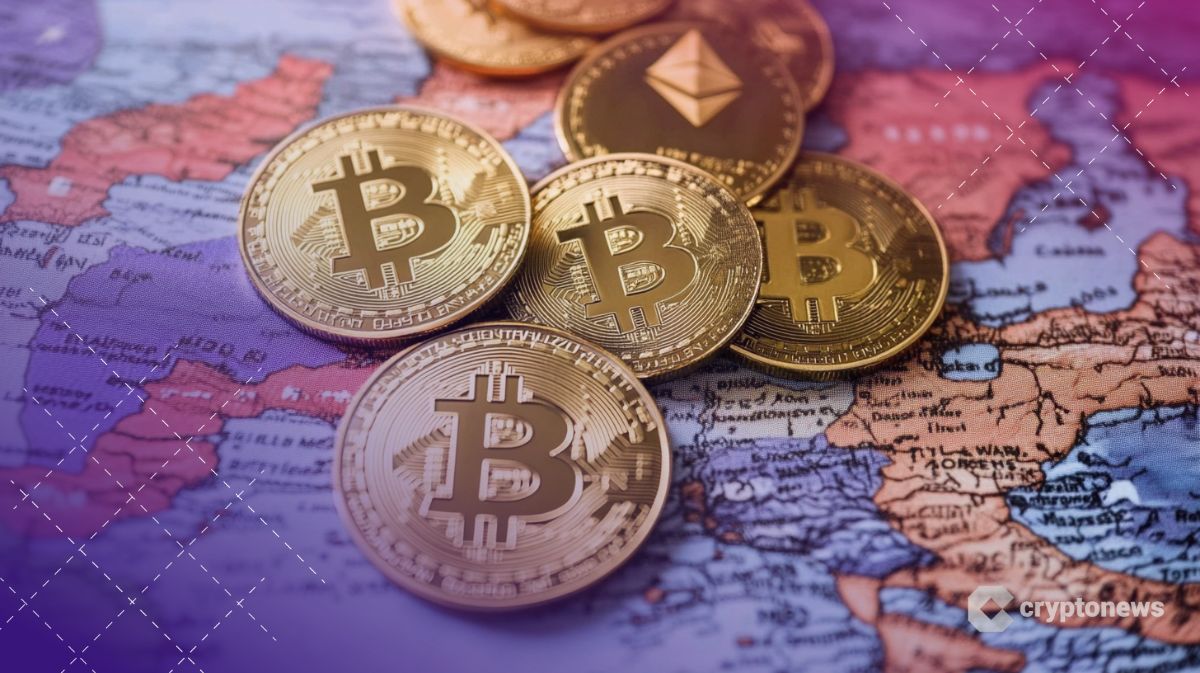
Europe is solidifying its position as a global leader in the realm of crypto-friendly banking, with over 60 institutions now offering a range of cryptocurrency services.
This surge, highlighted by industry experts like Circle senior director of EU Policy & Strategy Patrick Hansen, marks a significant departure from the more cautious approach seen in other regions, particularly the United States.
“Europe is home to the largest number of crypto-friendly banks in the world,” Hansen stated in a recent X post, emphasizing the continent’s proactive stance.
He further noted that this leadership extends to capital market players, where European institutions are “probably a couple of years ahead.”
The same is true for capital market players too – where European institutions are probably a couple of years ahead.
Example: Deutsche Boerse, the main German stock exchange, will provide $btc and $eth custody.
Plus, both in the EU and in Switzerland, you can now launch fully… https://t.co/7VGXOYuFaW
— Patrick Hansen (@paddi_hansen) March 20, 2025
Europe’s Crypto Banking Outpaces Global PeersAccording to Coincub’ latest research, 63 European banks currently offer crypto services – including trading, custody, staking, payments, stablecoins, and banking services for crypto companies – far outpacing other regions.
Standard Chartered UK, BBVA Switzerland, and Barclays UK are major crypto-friendly banks that made massive investments in the crypto landscape last year, as per the report.
Europe leads the world with 63 banks offering crypto-related services. Source: CoincubThis dominance, as Hansen pointed out, is not a matter of chance. It is the result of deliberate regulatory efforts by the European Union to foster competition and innovation within the financial sector.
“It is not because European banks are more risk-taking or innovative, but rather because EU regulations in payments and crypto are creating legal clarity, and, importantly, actively encouraging, not curtailing, competition and innovation in payments,” Hansen explained in his blog article. “It is because non-banks have been allowed to provide e-money and payments services and are seen as an integral building block to preserve innovation and competition in finance.”
Crypto-Friendly Regulation Is a European AdvantageWhile the US Office of the Comptroller of the Currency (OCC) has only in March this year issued guidance allowing banks to engage in crypto services like custody and stablecoin operations, European banks have been building their infrastructure and expertise for years.
BBVA Spain’s recent announcement that its customers will soon be able to buy, sell, and manage Bitcoin and Ether directly through the bank’s app or Deutsche Börse, Germany’s main stock exchange, which plans to provide custody services for BTC and ETH are just the latest examples of this trend.
Europe’s leading banks, including several Global Systemically Important Banks (G-SIBs), have invested heavily in developing the necessary infrastructure and securing regulatory approvals.
This EU’s proactive approach, dating back to the E-Money Directive (EMD) in 2000 and further strengthened by the Payment Services Directive (PSD) and PSD2, has created a regulatory environment that encourages banks to open accounts for non-bank payment service providers. This has resulted in a more inclusive and competitive financial landscape, stated Hansen.
The implementation of the Markets in Crypto-Assets (MiCA) regulation is further paving the way for growth by providing a clear regulatory framework for banks to engage with cryptocurrencies.
EU’s Proactive ApproachLooking ahead, the EU Commission’s proposals to allow non-bank payment service providers direct access to central bank payment systems, such as SEPA, and to safeguard consumer funds directly with central banks, signal a continued commitment to innovation.
The recent passage of the Instant Payments Regulation (IPR) and the European Central Bank’s subsequent policy on access for non-bank payment service providers further solidify this direction.
“We will see several non-bank PSPs, including stablecoin issuers, settling SEPA payments directly through their respective central bank,” said Hansen, adding:
“It is therefore hardly a surprise that Europe’s banks seem to be more open towards regulated crypto firms. Rather, it is the result of an ongoing, +20 years old regulatory push to create clarity, competition and innovation in the EU financial landscape.”The post Europe Leads in Crypto-Friendly Banking With Over 60 Banks Offering Crypto Services appeared first on Cryptonews.
Why this matters
This cryptocurrency story adds another data point to the current market tape and is useful when read alongside nearby source coverage.
Original source
Read on CryptonewsRelated market context

Kraken Parent Company Payward to Buy Saldo Bank in European Banking Push
Bitcoin Magazine Kraken Parent Company Payward to Buy Saldo Bank in European Banking Push Payward, the parent company of crypto ex...

Payward Signs Deal for Saldo Bank, Giving Kraken’s Owner a Foothold in EU Banking
Payward, the parent company of crypto exchange Kraken, has signed a definitive agreement to buy Saldo Bank, a digital lender licen...

Coinbase’s x402 Records 138.5M Transactions: Chainalysis Shows AI Agents Reshaping Crypto Payments
According to blockchain analytics firm Chainalysis, activity has expanded sharply since the protocol’s early stages, as autonomous...
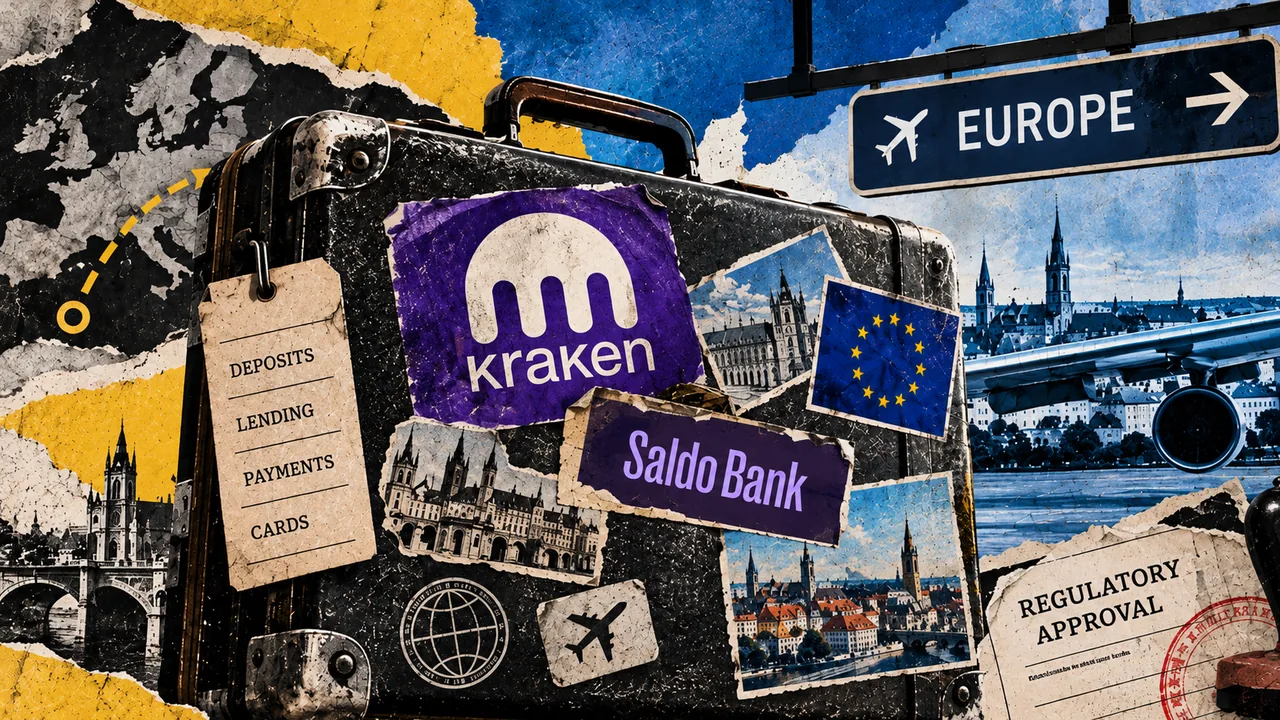
Kraken moves to acquire $181 million European bank in major push beyond crypto trading
Kraken's parent company, Payward, has agreed to acquire a European bank as it expands beyond cryptocurrency trading into tradition...

A7 International enables USDT payments for foreign invoices via SWIFT
A7 International's USDT-SWIFT integration could streamline global trade, reducing costs and delays, while bypassing traditional ba...

TOKEN2049 Takeaways: Stablecoins, Asset Tokenization, and AI Payments
Every crypto conference brings a wave of new partnerships, products, and concepts. After scrolling through the latest updates, you...