Ex-PBOC Chief Warns of Stablecoin Crisis – Run Risk Echoes TerraUSD’s 2022 Meltdown
Key Takeaways: Zhou Xiaochuan warns that full-reserve stablecoins can still amplify systemic risk through leverage and trading channels. The Hong Kong and U.S. frameworks have begun addressing custody and issuance, but Z...
Archive context
Older archive item. Useful for background and entity history, but not a fresh market-moving signal.

Key Takeaways:
- Zhou Xiaochuan warns that full-reserve stablecoins can still amplify systemic risk through leverage and trading channels.
- The Hong Kong and U.S. frameworks have begun addressing custody and issuance, but Zhou calls the current oversight insufficient.
- A new study suggests stablecoins face a one-in-three chance of collapse over the next decade due to crisis-induced arbitrage failures.
Former People’s Bank of China Governor Zhou Xiaochuan warned that stablecoin issuers may pursue aggressive expansion without understanding the systemic risks involved, including amplification effects that go beyond stated reserves.
In a speech delivered at the International Capital Market Association (ICMA) Annual Conference in Frankfurt and later compiled by the China Finance 40 Forum (CF40), Zhou said issuers often “lack sufficient self-discipline,” adding that stablecoins “generate a money-multiplier effect through their operation.”
Over-Issuance and High LeverageHe cautioned that even with full reserve backing, stablecoins can amplify risk through deposit-lending, collateralized financing, and asset trading.
“The potential redemption pressure may be multiples of the initial reserves,” he said.
Zhou also criticized inadequate reserve custody standards, citing Facebook’s early plans to self-custody Libra assets as an example of flawed design. He argued that reserves should be held by a central bank or a recognized custodian under central bank supervision.
Visa's crypto chief predicts a future combining traditional and crypto payments as the stablecoin market hits $269B, growing 62% with potential expansion to $2T within 3 years.#Visa #Stablecoinhttps://t.co/KW8nKvFdCy
— Cryptonews.com (@cryptonews) August 12, 2025The Hong Kong Stablecoin Ordinance and the U.S. GENIUS Act address some of these concerns, but Zhou said regulatory gaps persist. He recommended compiling actual circulation data to estimate redemption risks, calling current oversight frameworks “far from sufficient.”
He referenced Hong Kong’s note-issuing model, where banks post U.S. dollars with the Monetary Authority to issue local currency, noting that “M0 reserves alone cannot maintain stability under redemption pressure from M1 and M2.”
Zhou urged regulators to develop more robust tools to track amplification channels and prevent misuse of stablecoins in leveraged or speculative activity.
Run Risk Paradox of StablecoinTerraUSD’s May 2022 collapse illustrates the mechanism Zhou flags: once the peg slipped, the mint–burn arbitrage with LUNA accelerated supply inflation and drained market liquidity, catalyzing a run. New York Fed researchers note that between May 1 and May 16, 2022, stablecoins’ market capitalization fell by $25.63 billion—evidence of amplification channels overwhelming reserves during stress.
Recent analysis published by Investopedia paints a different picture, shifting attention from issuance mechanics to crisis-driven vulnerabilities in stablecoin design. Researchers identified a “run risk paradox,” where arbitrage mechanisms that support stablecoin pegs under normal conditions can accelerate collapse during market stress.
They found that even with decentralized arbitrage, systemic fragility remains elevated—annualized risk estimates for stablecoins range from 3.3% to 3.9%, higher than FDIC-insured deposits. Over a decade, the study suggests there is roughly a one-in-three chance of a major stablecoin crisis.
This perspective argues that stability tools like market arbitrage may themselves become sources of systemic strain, spotlighting potential design flaws in how stablecoin models handle extreme events, rather than just issuance controls or reserve policies.
Frequently Asked Questions (FAQs)How can amplification risks affect non-issuers in the crypto ecosystem?Leverage and multiplier effects can extend beyond issuers to exchanges, traders, and DeFi platforms, potentially triggering broader liquidity disruptions if redemptions spike.
Why is arbitrage seen as both a stabilizer and a risk factor?Under normal conditions, arbitrage helps maintain price pegs. In volatile markets, it can accelerate instability by enabling fast, large-volume exits that drain liquidity.
Are regulators focusing too narrowly on issuance volume?Some researchers suggest that more attention should go to market design, redemption incentives, and arbitrage feedback loops, especially during volatility or cross-platform liquidity shifts.
The post Ex-PBOC Chief Warns of Stablecoin Crisis – Run Risk Echoes TerraUSD’s 2022 Meltdown appeared first on Cryptonews.
Why this matters
This cryptocurrency story adds another data point to the current market tape and is useful when read alongside nearby source coverage.
Original source
Read on CryptonewsRelated market context

Tether signs MoU with Kazakhstan’s central bank to explore tenge stablecoins and tokenized assets
Kazakhstan's collaboration with Tether could enhance its fintech landscape, potentially boosting local currency integration in dig...
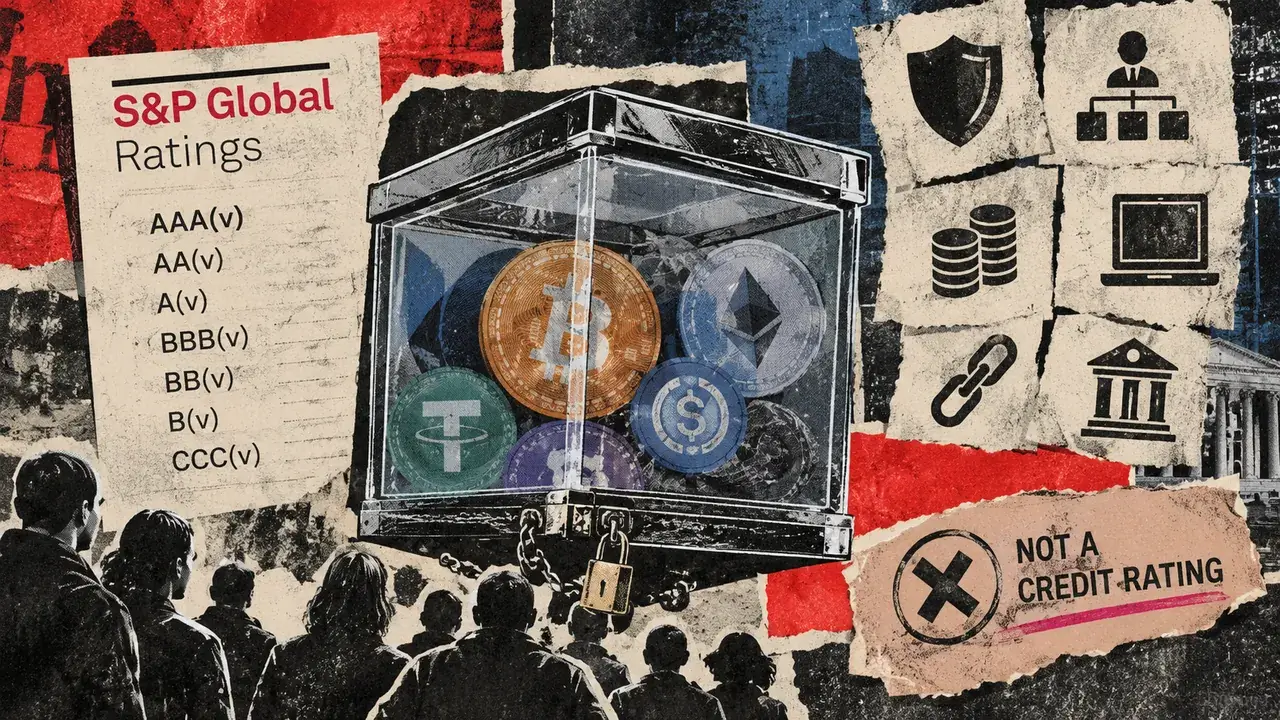
S&P brings ratings-style scrutiny to $10 billion crypto vault market as $6 million Base incident exposes risks
S&P Global is bringing ratings-style risk assessments to crypto lending vaults as the fast-growing market confronts fresh security...
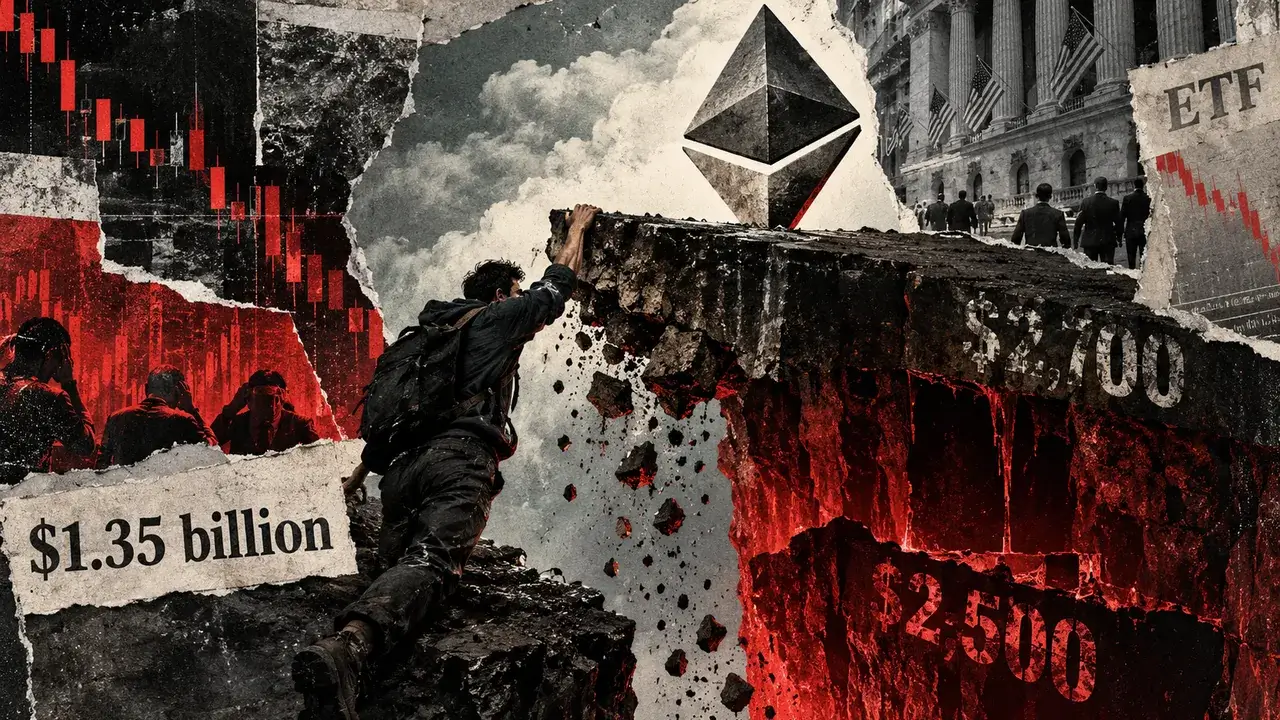
Ethereum falls 6%, leaving $1.35 billion in long bets at risk of liquidation
Ethereum’s slide toward $2,500 has put about $1.35 billion of leveraged long positions at increasing risk of liquidation. CoinMark...

TRON plugs into Polygon’s Open Money Stack to widen stablecoin rails
The integration enhances cross-chain liquidity and efficiency, positioning Polygon as a pivotal connector in the evolving stableco...
Coinbase Pro Returns With Deribit, Unlocking $30B Bitcoin Options Liquidity
Key Takeaways: Coinbase Pro returns with Spot, Futures, Perpetuals, Options, and Equities by the end of the year. Deribit is upgra...

StablecoinX shares go tokenized on Binance’s bStocks platform
Tokenized trading on bStocks enhances market accessibility but raises concerns about price alignment and interconnected financial...