Ex-SEC chair, now heading SDNY, offers rebuke in $12M crypto fraud case
Jay Clayton, recently appointed interim US Attorney for the Southern District of New York (SDNY) and former chair of the Securities and Exchange Commission, has begun offering statements in criminal cases involving crypt...
Archive context
Older archive item. Useful for background and entity history, but not a fresh market-moving signal.
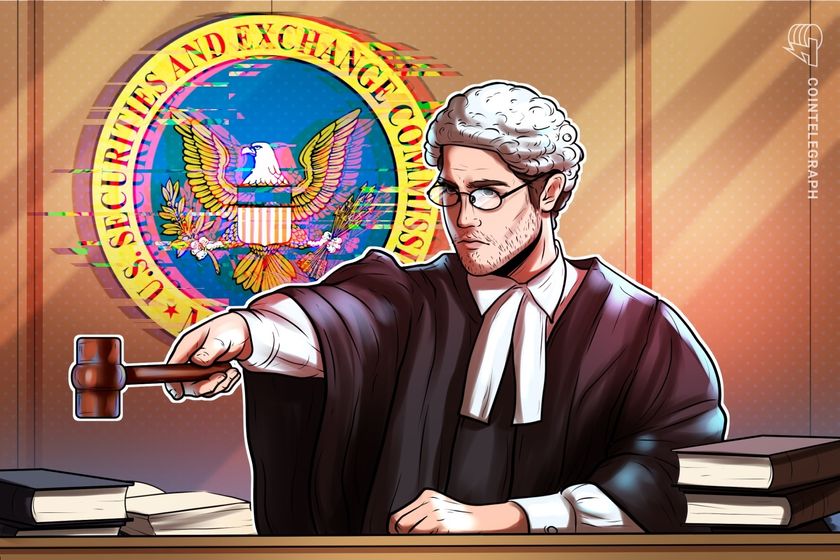
Jay Clayton, recently appointed interim US Attorney for the Southern District of New York (SDNY) and former chair of the Securities and Exchange Commission, has begun offering statements in criminal cases involving crypto fraud.
In an April 23 notice, the US Attorney’s Office said Eugene William Austin, also known as Hugh Austin, had been sentenced to 18 years in prison following his conviction on conspiracy to commit wire fraud, conspiracy to commit money laundering, and conspiracy to commit interstate transportation of stolen property. Together with his son, Brandon, sentenced to four years, Austin offered fraudulent crypto investment services, resulting in roughly $12 million in losses to more than 24 people.
“For years, Hugh Austin was the leader of a fraud and money laundering scheme that stole more than $12 million from more than two dozen victims,” said Clayton. “Austin involved his own son in his crimes, working with him to rip off victims and spending investor money on personal expenses, like luxury hotels [...] Austin will now be held accountable for the harm he caused to individual investors and others.”
The criminal case involving digital assets marked one of Clayton’s first public statements since becoming the interim US Attorney on April 22. US President Donald Trump nominated Clayton on Jan. 20 when he took office. The district has since seen the resignation of acting US Attorney Danielle Sassoon in response to the Justice Department directing her to halt a case against New York City Mayor Eric Adams.
Related: US prosecutors file over 200 victim statements in Celsius ex-CEO’s case
The nation’s ‘sovereign district’ overseen by a Trump appointee?Under current law, Clayton can serve as interim US Attorney for the district for 120 days without Senate confirmation. Senate Minority Leader Chuck Schumer blocked a vote on Clayton’s nomination, saying Trump had “no fidelity to the law.”
Clayton will likely oversee SDNY during the sentencing hearing for former Celsius CEO Alex Mashinsky and potentially other criminal cases involving cryptocurrency. The district is home to Wall Street firms and many of the country’s most prominent financial institutions.
Magazine: SEC’s U-turn on crypto leaves key questions unanswered
Why this matters
This cryptocurrency story adds another data point to the current market tape and is useful when read alongside nearby source coverage.
Original source
Read on CointelegraphRelated market context

Former Hong Kong banker sentenced to four years for crypto bribery
The case highlights the growing risk of crypto in financial fraud, threatening Hong Kong's status as a global financial hub. The p...
Jordi Visser: Why AI Agents Make the BTC Bull Case
Bitcoin Magazine Jordi Visser: Why AI Agents Make the BTC Bull Case Crypto spent 15 years building rails — lending, tokenization,...

Venezuelan delegation led by interim president Rodriguez discusses energy, debt, and mining in US
The US-Venezuela talks could reshape global energy and mineral supply chains, impacting geopolitical alliances and economic depend...

Polymarket loosened anti-money-laundering controls amid $10M fraud attack using stolen debit cards
Polymarket's weakened safeguards highlight the tension between rapid growth and regulatory compliance, risking severe legal and fi...

Polymarket CEO reportedly told staff to prioritize growth over compliance amid massive fraud probe
Polymarket's prioritization of growth over compliance amid fraud probes risks undermining trust in prediction markets and invites...
Avalanche Summit: Kevin Miao makes the case for tokenization to reshape consumer lending
Tokenization in consumer lending could democratize access to capital, reduce costs, and enhance transparency by minimizing interme...