Expectations for Crypto Regulation Increase after the FTX Fallout
After being valued at $32 billion only just a year ago, FTX filed for bankruptcy a few months ago, making it one of the biggest crypto companies to do so. The industry has been under pressure lately, with prices of digit...
Archive context
Older archive item. Useful for background and entity history, but not a fresh market-moving signal.

After being valued at $32 billion only just a year ago, FTX filed for bankruptcy a few months ago, making it one of the biggest crypto companies to do so. The industry has been under pressure lately, with prices of digital assets retracing sharply from all-time highs. Add to that the fact that these businesses never had to comply with capital requirements rules in the past, and what you get is havoc.
With a new wave of crypto-related bankruptcies, the focus once again turned to the need for regulating the industry. Just like in 2018, many governing bodies around the world are implying that regulators are set to impose strict rules for crypto companies. Will it really happen this time, though?
Alt-text: regulation for cryptocurrenciesFTX’s bankruptcy led to significant losses
Until that happens (if it does), it is imperative to understand the damage caused by the FTX fallout. Estimates point to a whopping $8 billion in customer losses and even though approximately $5 billion in assets have been recently retrieved, it’s yet to be seen how much liquidity will be raised to compensate clients.
The exchange’s legal team appeared in court recently seeking approval for procedures to sell affiliates LedgerX, Embed, FTX Japan and FTX Europe. At the same time, the seven-year sponsorship deal with the League of Legends video game was terminated.
Cryptocurrency price fluctuations can also be taken advantage of, though, via various channels. Traders can use brokers such as easymarkets.com to trade derivatives, without holding an exposure with any exchange, while also working with a regulated brand. In the case of FTX, the company was operating from the Bahamas, a jurisdiction infamously known for its loose financial regulation.
U.S. Congress preparing crypto regulation
According to The Guardian, U.S. senator Elizabeth Warren is pushing a bipartisan bill to regulate crypto firms. The main goal is to crack down on money laundering and force crypto-related companies to abide by the same regulations as banks and other corporations.
This bill is co-sponsored by Roger Marshall, a Republican senator from the state of Kansas. Dubbed “ The Digital Asset Anti-Money Laundering Act”, it will subject the industry to rules that are now applicable to conventional money markets.
Europe and “Mica”
Moving on to Europe, the EU already has an extensive set of rules known as the “Markets in Crypto Assets” (Mica) regulation, due to be implemented starting in 2024. Changpeng Zhao, chief executive at Binance, already said that Mica “could become a global standard for the industry”.
At the same time, there are questions on whether the new legislation can safeguard market participants from another important bankruptcy. Chair of the European Banking Authority Jose Campa, whose office is meant to supervise significant tokens under the new rules, mentioned that blind spots in the package could still be found.
Now that it’s no longer part of the EU, the UK wants to proceed with its plan for regulating cryptocurrencies, promising a regime that will be more agile when dealing with new issues related to crypto companies. All these hints are showing that this time around, digital assets might be finally regulated, bringing more stability and trust into the industry.
The post Expectations for Crypto Regulation Increase after the FTX Fallout first appeared on CryptoGazette - Cryptocurrency News.Why this matters
This cryptocurrency story adds another data point to the current market tape and is useful when read alongside nearby source coverage.
Original source
Read on CryptoGazetteRelated market context

Crypto Markets Digest: The Block’s Live Price Feed Underscores the News-Data Nexus in Digital Assets
The Block pairs Bitcoin and Ethereum news with live prices. We examine why crypto news and real-time data fused, and what it means...

China Crypto Future: Solana Co. CEO Joseph Chee on Regulation
Solana Co. CEO Joseph Chee expects China eventually to accommodate more crypto activity under close regulation, a forecast he made...

Kraken Completes Acquisition Of TradeStation Crypto Infrastructure Assets
In a major development confirmed on SEPTEMBER 30, 2026, Confirmed announcement/filing for Kraken Completes Acquisition Of TradeSta...
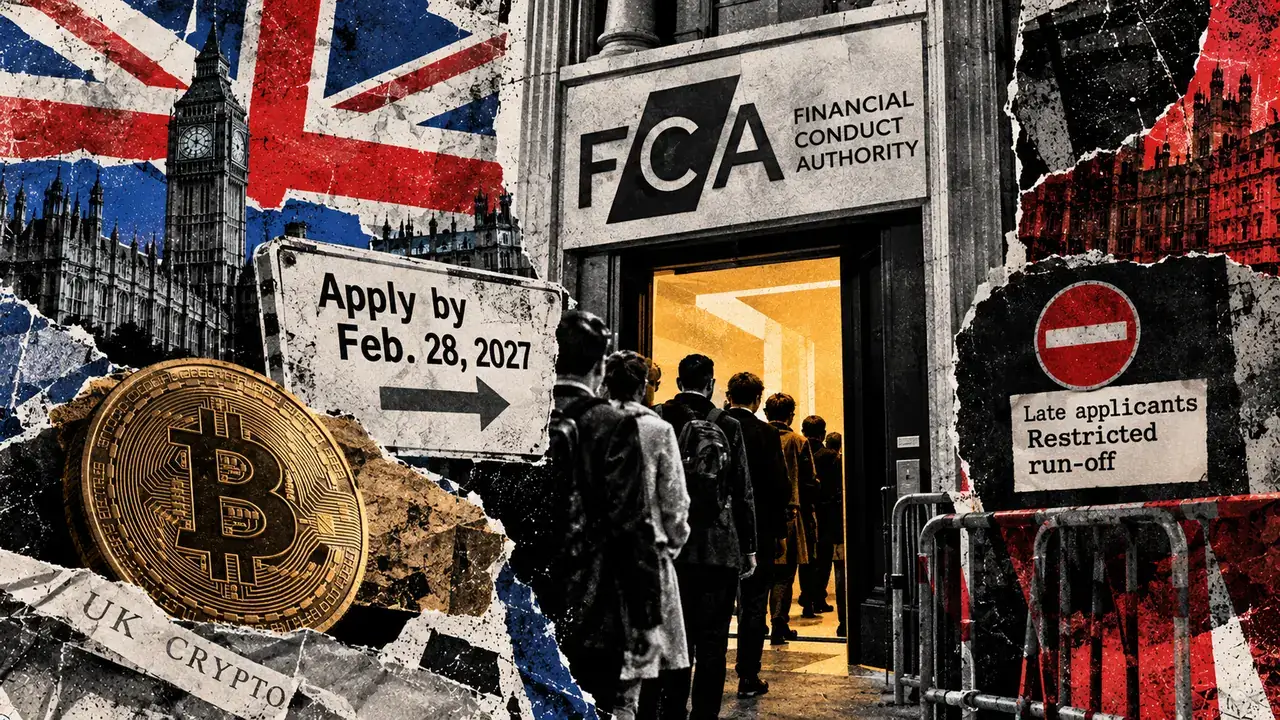
UK’s 2027 crypto rules could block new business with existing customers
The Financial Conduct Authority opened its authorization gateway for the new UK crypto rules on Sept. 30, starting an application...

Bitcoin enters its best season after a 43% surge, with $147,000 suddenly on the math
Bitcoin is closing its strongest quarter since 2024 after leaving US stocks and gold far behind despite surging bond yields. The l...

Bloomberg Launches $300B Stablecoin Dashboard With Hourly Onchain Data on Terminal
Key Takeaways: Allium has now provided Bloomberg Terminal with hourly stablecoin data. The dashboard includes over 98% of the stab...