Fed Bans Senior Officials From Cryptocurrency Investing
The Federal Reserve has banned its senior officials from investing in cryptocurrency. “Officials covered by the new rules will have 12 months from the effective date of the rules to dispose of all impermissible holdings,...
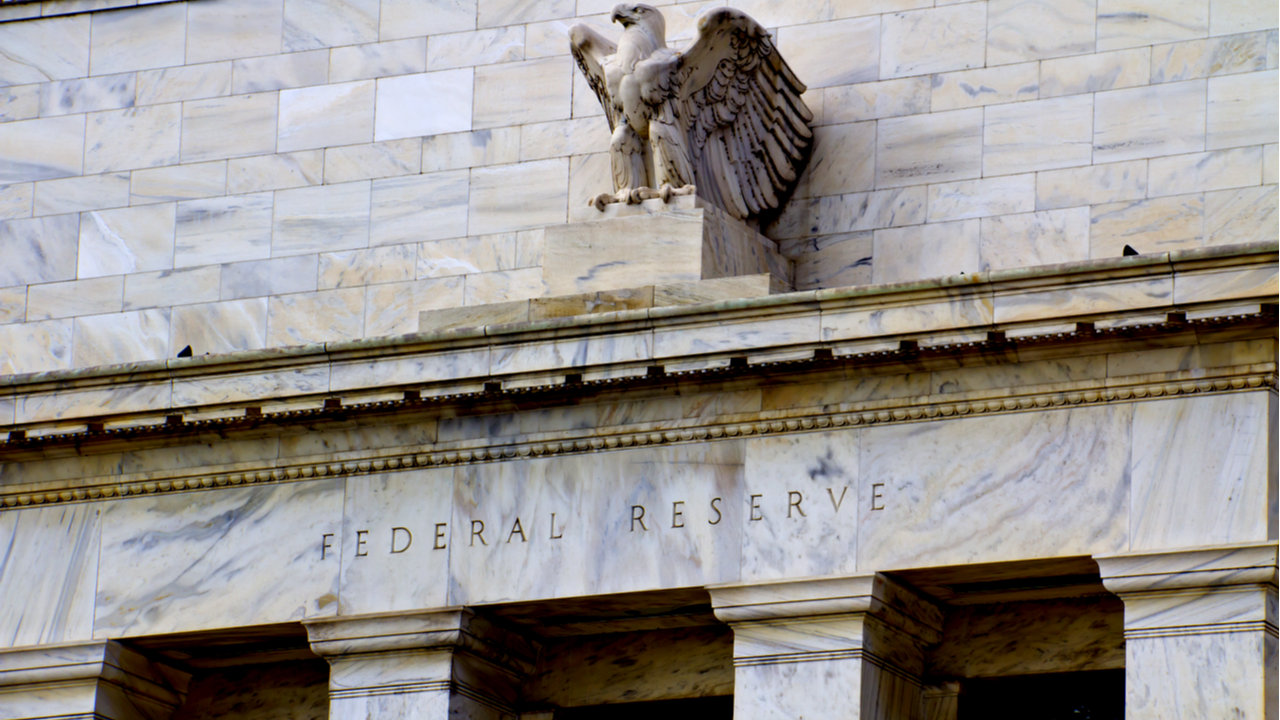
The Federal Reserve has banned its senior officials from investing in cryptocurrency. “Officials covered by the new rules will have 12 months from the effective date of the rules to dispose of all impermissible holdings,” said the Federal Open Market Committee.
The Federal Open Market Committee (FOMC) announced Friday that it has “unanimously formally adopted comprehensive new rules for the investment and trading activity of senior officials.”
The FOMC is a committee within the U.S. Federal Reserve System charged with overseeing the nation’s open market operations.
The rules were first announced in October last year to strengthen “the impartiality and integrity of the Committee’s work by guarding against even the appearance of any conflict of interest,” the announcement details, elaborating:
Under the new rules, senior Federal Reserve officials are prohibited from … holding investments in individual bonds, agency securities, cryptocurrencies, commodities, or foreign currencies.
In addition, they are also banned from “purchasing individual stocks or sector funds,” “entering into derivatives contracts,” and “engaging in short sales or purchasing securities on margin.” Cryptocurrency was not included in the October announcement.
The new rules apply to Reserve Bank presidents, board members, first vice-president, research directors, FOMC staff officers, the manager and deputy manager of the System Open Market Account, board division directors who regularly attend Committee meetings, any other individual designated by the chairman, and the spouses and minor children of these individuals.
The Federal Reserve expects the rules to apply to additional staff after further review and analysis.
The rules follow a controversy last year in which several senior Fed officials traded stocks and other investments just before the central bank adopted sweeping measures to help the economy through the Covid-19 crisis. Eric Rosengren, president of the Federal Reserve Bank of Boston, and Robert Kaplan, president of the Federal Reserve Bank of Dallas, left their positions following the controversy.
The FOMC explained:
Officials covered by the new rules will have 12 months from the effective date of the rules to dispose of all impermissible holdings.
“Going forward, newly covered officials will have 6 months to dispose of all impermissible holdings,” the FOMC noted, adding that the rules will take effect on May 1.
Do you think senior Fed officials should be banned from investments listed above? Let us know in the comments section below.
Original source
Read on Bitcoin NewsRelated market context

Japan Three Biggest Banks Unite to Launch Yen Crypto Stablecoin by March 2027
MUFG Bank, Mizuho Bank, and Sumitomo Mitsui Banking Corporation have established a formal joint council to develop and co-issue a...

Banks are buying Bitcoin vaults, but a quantum problem may be waiting inside
The banks are finally buying the vaults. In May, BNY, the world's largest custodian with $59.4 trillion in assets under custody an...

Bitcoin nears $65K as Trump says Hormuz will 'open to all' in Sunday Iran peace deal
Bitcoin stayed near local highs on a new US-Iran peace deal pledge as analysis saw conditions favoring a sustained BTC price rebou...

Carlos Domingo: The DTCC is repeating telecom’s mistakes, banks need the Clarity Act more than crypto, and stablecoins set the benchmark for tokenized assets | The Wolf Of All Streets
Financial institutions must choose between proprietary systems or embracing open blockchain technologies for future growth. The po...

The future of vaults: neobanks and invisible DeFi
The following is a guest post and opinion from Vincent Maliepaard, VP of Marketing at Sentora. On January 26, 2026, Kraken launche...

Here's what SpaceX's IPO means for its $1.3 billion bitcoin reserve
The largest company on public markets now holds bitcoin as a treasury reserve, not as a business model. Its first earnings cycles...