Feds, SEC charge app maker with fraud, saying ‘AI’ service was Philippine workers
US authorities have charged a tech app founder with fraud, alleging that his advertised artificial intelligence-powered e-commerce app actually relied on human workers in the Philippines.Albert Saniger of Barcelona, Spai...
Archive context
Older archive item. Useful for background and entity history, but not a fresh market-moving signal.
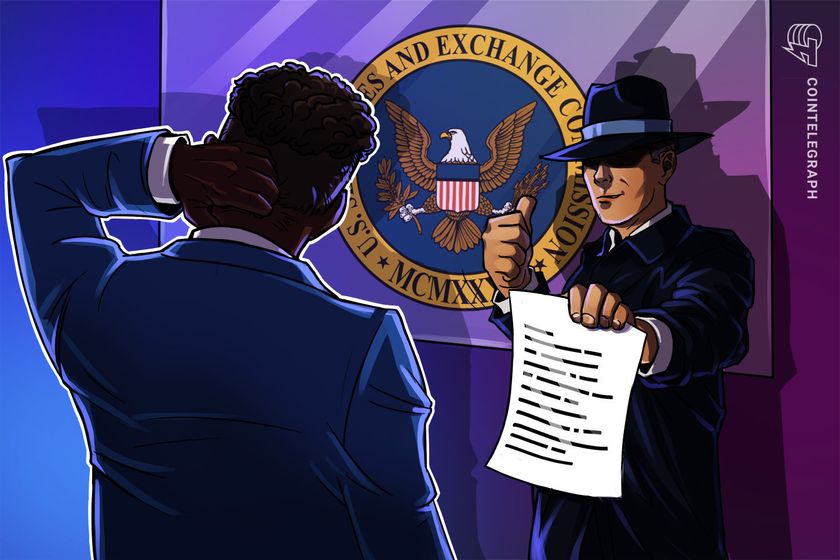
US authorities have charged a tech app founder with fraud, alleging that his advertised artificial intelligence-powered e-commerce app actually relied on human workers in the Philippines.
Albert Saniger of Barcelona, Spain, founder and former CEO of the company Nate, was charged with one count of securities fraud and wire fraud, the Justice Department said in an April 9 statement, while the Securities and Exchange Commission filed a parallel civil action.
Court documents said Saniger founded Nate around 2018 and launched an app of the same name in July 2020, marketing it as an AI-powered universal shopping cart that offered users the ability to complete online retail transactions, including filling in shipping details and sizing, without human input.
The Justice Department alleged that, in reality, “Saniger used hundreds of contractors, or ‘purchasing assistants,’ in a call center located in the Philippines to manually complete purchases occurring over the nate app.”
Source: US Attorney's Office, Southern District of New York
Investors gave Saniger over $40 million, feds sayActing US Attorney for New York Matthew Podolsky alleged Saniger duped investors by “exploiting the promise and allure of AI technology to build a false narrative about innovation that never existed.”
Under the guise of investing in the AI-powered app, Sangier allegedly solicited more than $40 million in investments from venture capital firms and told employees to hide the true source of Nate's automation.
“This type of deception not only victimizes innocent investors, it diverts capital from legitimate startups, makes investors skeptical of real breakthroughs, and ultimately impedes the progress of AI development,” Podolsky said.
The company acquired AI technology from a third party and had a team of data scientists develop it, but authorities claimed the app never achieved the ability to consistently complete e-commerce purchases, and its actual automation rate was effectively zero.
Related: Aussie regulator to shut 95 ‘hydra’ firms linked to crypto, romance scams
During a busy holiday season in 2021, it’s alleged that Sanger directed Nate’s engineering team to develop bots to automate some transactions on the app along with the human workers.
Nate ceased operations in January 2023, and Saniger terminated all of Nate’s employees after media reports started casting doubt on the app’s capabilities, according to the SEC’s court filing.
The securities and wire fraud charges each carry a maximum sentence of 20 years behind bars. The SEC suit is asking the courts to ban Saniger from holding office in any similar company and return investor funds.
Cointelegraph contacted Nate for comment. Information on Saniger’s lawyers was not immediately available.
Magazine: Memecoin degeneracy is funding groundbreaking anti-aging research
Why this matters
This cryptocurrency story adds another data point to the current market tape and is useful when read alongside nearby source coverage.
Original source
Read on CointelegraphRelated market context

ECB Plans Direct Investment In Tokenized Securities Using Pontes
TL;DR The ECB has started preparatory work to invest a small portion of its own-funds portfolio in tokenized euro-denominated secu...

Binance News: Christine Lagarde Allegedly Blocks the Exchange from Gaining MiCA License
In Binance News Today, a vice chair of Greece’s Hellenic Capital Market Commission reportedly told Binance that Christine Lagarde...

dtcpay Completes $25M Series A As SBI Group Joins Stablecoin Payments Push
TL;DR Singapore payments company dtcpay has completed a $25 million Series A. Vertex Ventures led the original round, with SBI Gro...

Stand With Crypto’s 4 million registered advocates couldn’t get the CLARITY Act through the Senate
The Senate fell short of advancing the CLARITY Act on Sept. 15, when a 49-50 cloture vote failed to reach the 60-vote threshold. S...

Bitcoin hits $86,000 putting ETF investors back in profit after $86 billion wipeout
Bitcoin’s rally toward $86,000 has pushed US spot exchange-traded fund (ETF) investors back into profit after months underwater. D...
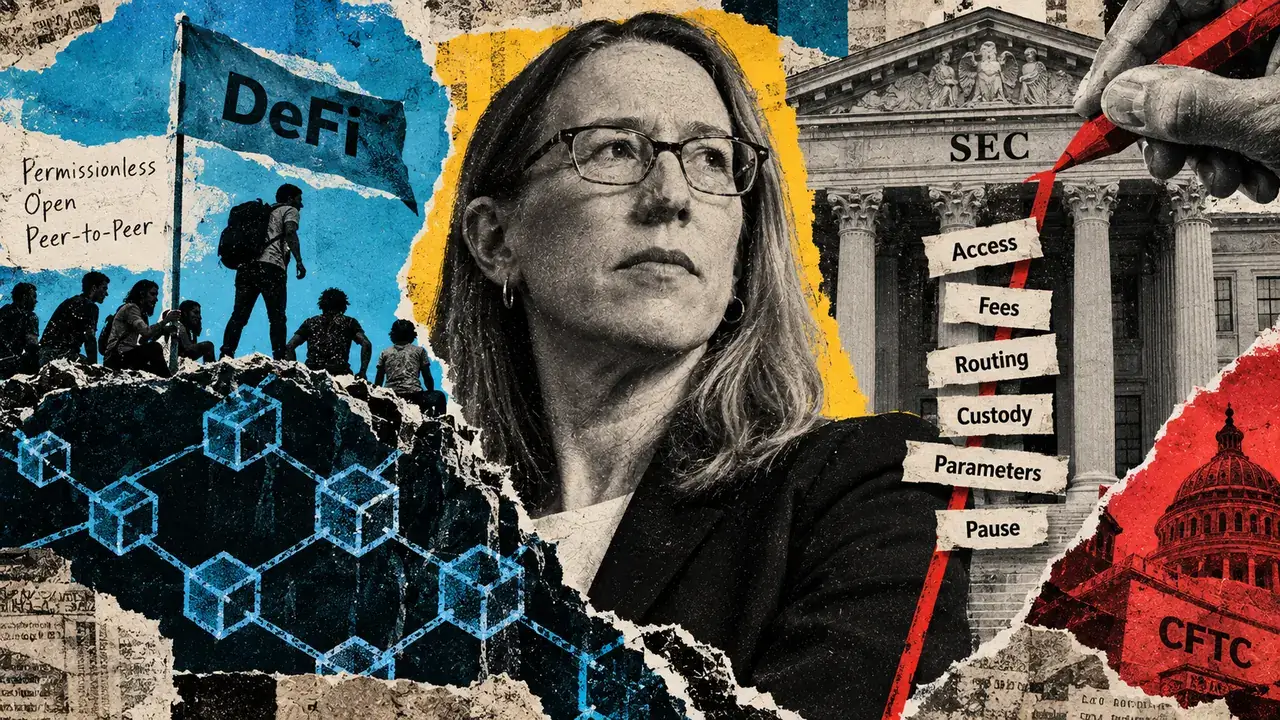
Why truly decentralized DeFi needs no legal exemption according to SEC Commissioner Hester Peirce
SEC Commissioner Hester Peirce drew a sharp line around decentralized finance on Sept. 17. She said investors need no exemption to...