Finance Committee Approves Legislation Delaying Crypto Tax in South Korea
Changes meant to postpone the introduction of a tax on virtual assets such as cryptocurrencies in South Korea have been approved by an important parliamentary committee. The draft legislation seeks to delay Seoul’s plan...
Archive context
Older archive item. Useful for background and entity history, but not a fresh market-moving signal.
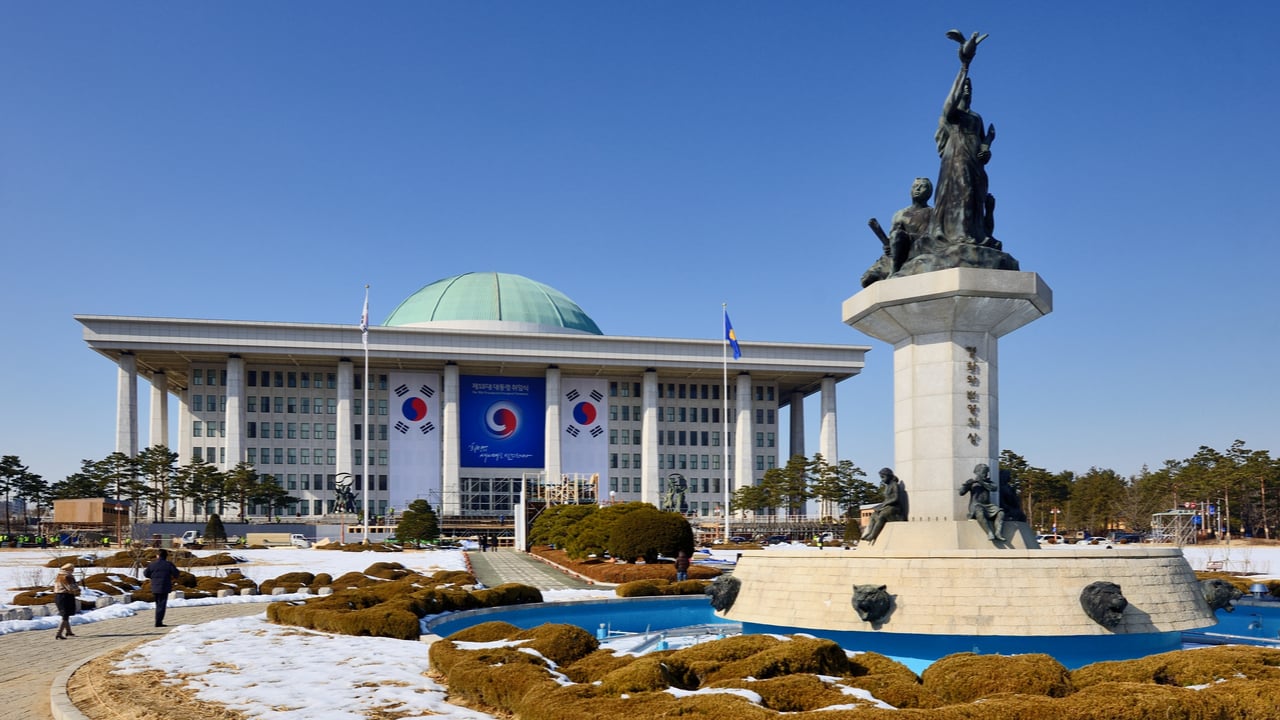
Changes meant to postpone the introduction of a tax on virtual assets such as cryptocurrencies in South Korea have been approved by an important parliamentary committee. The draft legislation seeks to delay Seoul’s plan to impose a 20-percent levy on gains from crypto transactions.
Ahead of Election, Major Parties Support Tax Break for Crypto Investors in South Korea
South Korean parliament is taking steps to suspend a planned tax on profits from digital asset investments for another year. The move has been supported by the ruling Democratic Party, despite disagreements with the government itself, as well as the leading opposition People Power Party.
The amendments, which also envisage the increase of an exemption on capital gains tax for real estate sales amid rising property prices, are viewed by Korean politicians as a popular proposition ahead of the upcoming presidential election in March next year, the Korea Joongang Daily noted in a report.
The Strategy and Finance Committee at the National Assembly passed the changes to the respective provisions during a meeting on Tuesday. The voting followed the approval of the revisions by its subcommittee on taxation during a session on Monday.
The two Korean parties have agreed to postpone the adoption of a 20% tax on annual profits from virtual asset investments exceeding 2.5 million won ($2,102). The government planned to introduce the tax on Jan. 1, 2022, but the recent voting indicates the tax is likely to be suspended until 2023.
The Democratic Party has been pushing for the delay as investments in cryptocurrencies have become quite popular with young voters who also find it very hard to save enough money for a home amid skyrocketing property prices. The party also hopes that the raising of the capital gains tax exemption for single residence owners who sell from a price of 900 million to 1.2 billion won ($1 million), will help to increase the availability of homes on the market.
DP representatives have argued that Korean tax authorities need more time to establish a proper tax system for virtual asset investing. However, Finance Minister Hong Nam-ki opposed the delay, stating that “The government is ready to immediately tax virtual assets.” He nevertheless noted that the executive power will comply with any decision by the parliament, which is expected to vote on the amendments in early December.
Do you think South Korean lawmakers will support the proposed amendments concerning crypto taxation? Tell us in the comments section below.
Why this matters
This cryptocurrency story adds another data point to the current market tape and is useful when read alongside nearby source coverage.
Original source
Read on Bitcoin NewsRelated market context
Chainlink And LG CNS Target South Korean Banks With Digital Asset Infrastructure Deal
TL;DR: Chainlink and LG CNS are partnering on oracle and cross-chain infrastructure aimed at South Korea’s financial institutions;...
Chainlink Expands LG Tech Arm Tie-Up Into Formal Partnership on Korean Stablecoins
Chainlink and LG CNS, the technology arm of South Korea’s LG Group, announced a strategic partnership on Oct. 22, widening a relat...
Bank of Korea Wants Stablecoins Written Into Forex Law as Crypto Bill and Tax Fight Come to a Head
Bitcoin Magazine Bank of Korea Wants Stablecoins Written Into Forex Law as Crypto Bill and Tax Fight Come to a Head The Bank of Ko...

Tokenized assets pull in more than $1 billion in fresh capital in 30 days
The surge in tokenized asset investments highlights growing interest in digital finance, but reliance on key players and measureme...
Bloomberg Adds Basel Crypto Exposure Classification For Banks And Asset Managers
TL;DR: Bloomberg has expanded its crypto analytics to classify bank exposure under Basel standards, including indirect holdings hi...

Ethereum Glamsterdam Upgrade Delayed Over Smart Contract Security Risks
Ethereum developers have postponed the Glamsterdam upgrade on the Hoodi testnet after researchers identified potential security ri...