“From 270 Days to 75”: How the SEC’s Quiet Rule Change Rewires Crypto ETF Timelines
A regulatory shift by the United States Securities and Exchange Commission (SEC) has quietly redrawn the path to market for crypto exchange-traded funds. On September 17, the Commission adopted new standards that allow c...
Archive context
Older archive item. Useful for background and entity history, but not a fresh market-moving signal.

A regulatory shift by the United States Securities and Exchange Commission (SEC) has quietly redrawn the path to market for crypto exchange-traded funds. On September 17, the Commission adopted new standards that allow certain crypto ETFs to be listed more quickly, bypassing months of case-by-case approval.
Previously, each spot ETF required a full review through what is known as a Rule 19b-4 filing. Now, exchanges can use generic listing standards if the products meet predefined criteria. The change reduces waiting periods from nine months to just under three months in some cases.
What the SEC’s ETF Rule Actually ChangesWithin days, ETF issuers began preparing amendments and launching new products based on this framework. Among them are proposed funds tied to Solana, XRP, and other digital assets beyond Bitcoin and Ethereum.
The first to benefit was the Grayscale Digital Large Cap Fund (GDLC), which includes a range of crypto holdings. Its listing was approved alongside the rule change and serves as the initial example of how the faster process works in practice.
The update is procedural in nature. It does not loosen standards for investor protection or product quality. Instead, it streamlines the review of products that already fit within established regulatory categories.
But the shift creates new demands. With less time between filing and launch, issuers must ensure that operational systems are ready. That includes market making, custody arrangements, and liquidity management.
Many of the new crypto ETFs will be based on assets that are less liquid than Bitcoin. While Solana and XRP are widely traded, they do not benefit from the same depth in futures markets or institutional custody options.
The infrastructure gap is especially relevant for funds that plan to offer staking or other yield-generating mechanics. These designs add complexity and require additional oversight from regulators and service providers.
Solana, XRP Filings Show How Fast the ETF Race Is MovingAs of last week, eight companies submitted draft filings for Solana ETFs. These include VanEck, CoinShares, Hashdex, and others. Some filings propose structures that allow staking rewards to be returned to shareholders.
VanEck’s decision to file for a Solana ETF may prove to be a "long shot" worth taking, analysts say https://t.co/jAqlcfDBE7
— Bloomberg (@business) June 28, 2024Final amendments for the XRP ETFs are expected soon. Key dates include October 12 for Bitwise, October 18 for Grayscale, and October 19 for 21Shares. Several more are expected to follow.
The SEC has not said whether it will allow every altcoin to follow this path. Eligibility depends on factors such as market size, surveillance agreements, and previous listing history.
In effect, the barrier to entry has moved. Instead of waiting on regulators, firms now race to align their internal systems and third-party providers. This includes authorized participants, price-feed vendors, and liquidity desks.
Faster Listings Shifts Pressure from Policy to OperationsThe change has not produced a surge in approvals yet—it has shifted expectations. Rather than asking whether an ETF will be allowed, the focus is now on how soon it can be launched and how well it will function once live.
For investors, the result may be more choices and faster access to digital assets. But those outcomes depend less on policy than on preparation.
In the current environment, speed does not ensure success. It only moves the pressure to a different part of the process.
The post “From 270 Days to 75”: How the SEC’s Quiet Rule Change Rewires Crypto ETF Timelines appeared first on Cryptonews.
Why this matters
This cryptocurrency story adds another data point to the current market tape and is useful when read alongside nearby source coverage.
Original source
Read on CryptonewsRelated market context
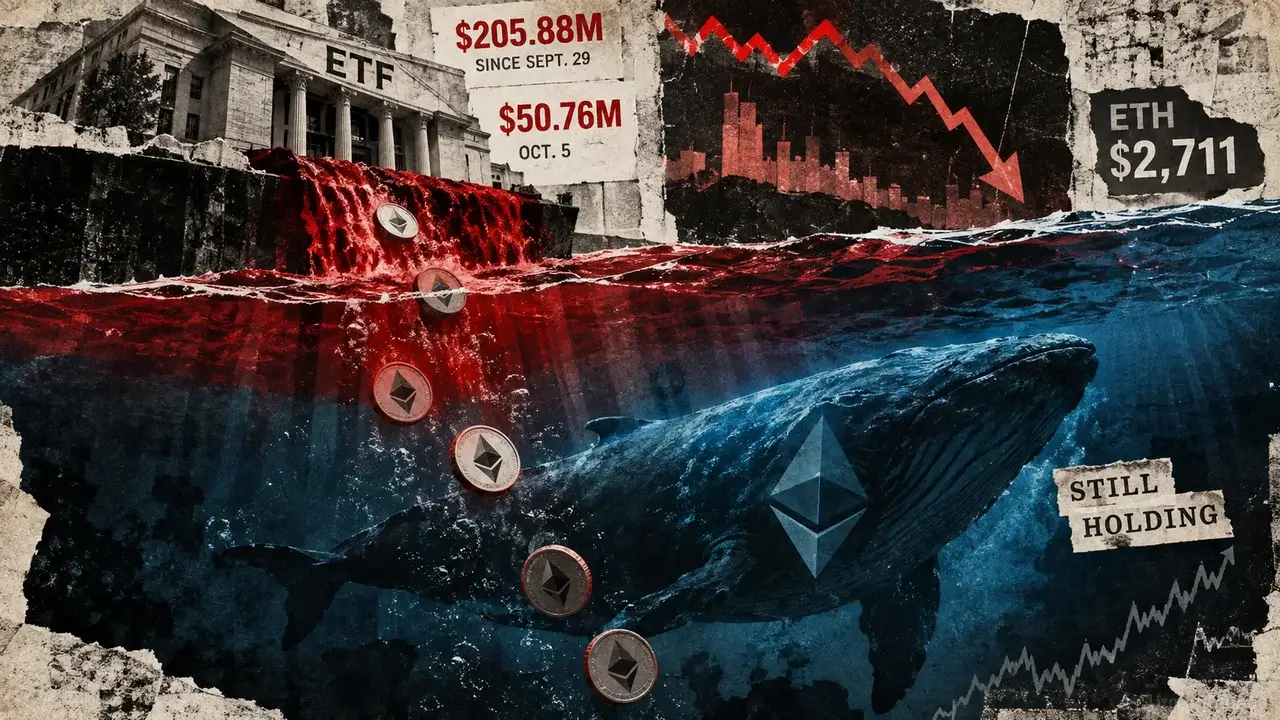
Ethereum bears keep selling but ETH price stays near $2,700 as US spot ETFs record $206M in outflows
Ethereum’s institutional demand is weakening around the same time derivatives positioning shows traders are selling aggressively w...

WisdomTree reportedly taps Texas Stock Exchange for an ETF listing
WisdomTree's potential TXSE listing could challenge NYSE/Nasdaq dominance, signaling broader acceptance and growth for emerging ex...

Bitcoin and Solana spot ETFs see net outflows as Ethereum records inflows
Shifting investor sentiment towards Bitcoin may increase market volatility, challenging Ethereum's position and impacting altcoin...

CFTC Lets Exchanges Convert Index Futures Into True Perpetual Contracts
TL;DR CFTC staff has issued temporary no-action relief allowing designated contract markets to convert certain broad-based securit...

CFTC Opens Rulemaking Push For Retail Leveraged Crypto Markets
TL;DR The CFTC has opened an advanced rulemaking process around retail commodity transactions involving crypto assets. The agency...
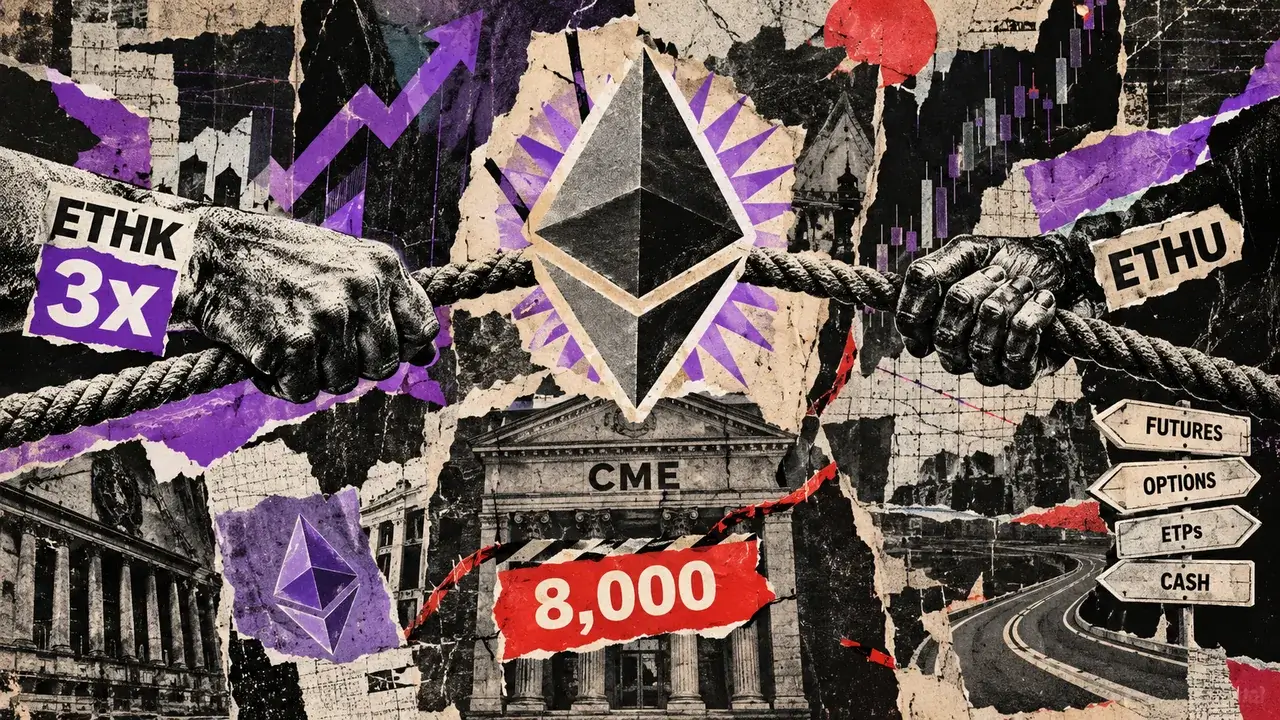
Ethereum’s proposed 3x ETF could reach CME’s futures threshold with just $362 million
At ETHU's Oct. 6 disclosed futures valuation, a 3x Ethereum ETF with $362.1 million in assets would target about $1.09 billion of...