FTX US among Platforms Warned by US FDIC for Misleading Statements
The United States Federal Deposit Insurance Corporation (FDIC) issued cease and desist letters to five crypto-related companies, including FTX US, and their directors and officers for “making false and misleading stateme...
Archive context
Older archive item. Useful for background and entity history, but not a fresh market-moving signal.

The United States Federal Deposit Insurance Corporation (FDIC) issued cease and desist letters to five crypto-related companies, including FTX US, and their directors and officers for “making false and misleading statements about FDIC deposit insurance.”
Apart from the popular crypto exchange FTX US, the other crypto platforms, to receive the cease and desist orders, are cryptocurrency news platform Cryptonews.com, crypto blog Cryptosec.info, financial information platform SmartAsset and FDICCrypto.com, a website that has been taken down, as of press time.
In the letters sent to the companies last Thursday, the agencies ordered all the platforms to take immediate corrective actions against the “false and misleading statements” they made around FDIC insurance coverage.
Banking Insurance
Under FDIC insurance, each regulated US banking customer deposit is protected by up to $250,000. It ensures the safety of the customer deposits even in the scenario of a banking failure.
“FDIC deposit insurance protects customers in the unlikely event of the failure of an FDIC–insured bank,” the notice of the agency detailed.
For FTX US, the exchange’s President Brett Harrison stated in a July tweet that: “direct deposits from the employers to the FTX US are stored in FDIC-insured bank accounts in the users’ names” and “stocks are held in FIDC-insured and SPIC-insured brokerage accounts.”
Meanwhile, the crypto information platforms listed several crypto exchanges, including FTX US, Coinbase, Gemini and others to be FDIC-insured exchanges, which according to the agency is false and misleading.
“Based upon evidence collected by the FDIC, each of these companies made false representations, including on their websites and social media accounts, stating or suggesting that certain crypto-related products are FDIC–insured or that stocks held in brokerage accounts are FDIC–insured,” the agency stated.
The FDIC's name was used by the crypto exchanges to build trust for their services. However, the agency now has become vigilant and is actively cracking down on incorrect representations.
Last month, the agency issued a warning against Voyager Digital, a company in the liquidation process, for falsely claiming that its customer funds are insured by the US government.
This article was written by Arnab Shome at www.financemagnates.com.Why this matters
This cryptocurrency story adds another data point to the current market tape and is useful when read alongside nearby source coverage.
Original source
Read on Finance MagnatesRelated market context

Token Spotlight: What is SoFiUSD (SOFID)?
Key takeaways SoFiUSD (SOFID) is a stablecoin, a crypto asset designed to hold a steady value of about one US dollar rather than m...

Brazilian Depository With $4.2 Trillion in Assets Taps XRP Ledger to Mirror Fund Shares
CSD BR, a Brazilian central securities depository with more than 22 trillion reais (about $4.2 trillion) in registered assets, wil...
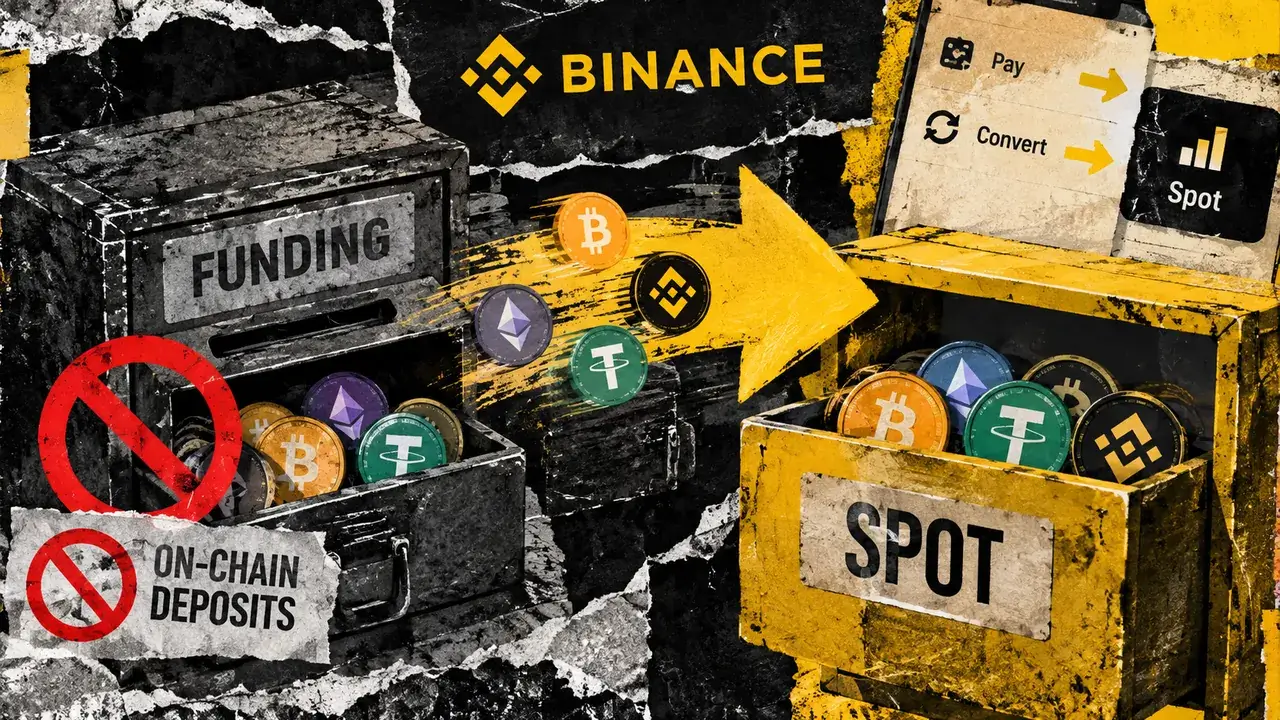
Binance ends Funding Account crypto deposits as Pay and Convert move to Spot
From Sept. 29, Binance says Funding Accounts no longer accept direct on-chain crypto deposits. Users depositing crypto must use Sp...
SEC Sues Four Firms Over Alleged $15 Million Crypto Scams Run Through WhatsApp Chats
The Securities and Exchange Commission charged four entities on Tuesday over two alleged schemes that used WhatsApp group chats an...
PIMCO US Treasury bond ETF hits all-time low
ZROZ, a PIMCO ETF allocated to US Treasury bond repayments guaranteed by the US government, has lost 16% of its share price this y...

UK regulator issues survival rulebook for crypto companies due 2027
The UK's stringent crypto regulations may drive market consolidation, enhancing consumer protection but potentially stifling innov...