G20 Wants Global Crypto Rules To End Regulations
Recent reports indicate that the Financial Stability Board (FSB) of the G20 has released a set of guidelines for crypto and stablecoin policies to address regulatory gaps in the sector on a global scale. Regulatory frame...
Archive context
Older archive item. Useful for background and entity history, but not a fresh market-moving signal.

Recent reports indicate that the Financial Stability Board (FSB) of the G20 has released a set of guidelines for crypto and stablecoin policies to address regulatory gaps in the sector on a global scale.
Regulatory frameworkThese recommendations aim to create a standard regulatory framework, especially after the high-profile Terra (LUNA) and FTX incidents in the last year that shook the digital asset industry.
The FSB is urging governments to collaborate and exchange information across borders while also mandating that domestic regulators require crypto-asset issuers and service providers to disclose their governance structures.
“The governance framework should be proportionate to their risk, size, complexity and systemic importance, and to the financial stability risk that may be posed by activity or market in which the crypto-asset issuers and service providers are participating.”
The notes continued and said the following:
“It should provide for clear and direct lines of responsibility and accountability for the functions and activities they are conducting.”
The FSB proposes that regulators mandate crypto companies to establish extensive risk management frameworks and ensure secure collection of data.
Furthermore, the Board advises that authorities oversee the links between the crypto industry and the traditional financial world to mitigate any potential financial stability hazards that may arise from such connections.
More on crypto regulationRecently, Coinbase CEO Brian Armstrong shared his belief that the upcoming U.S. presidential election could have a significant impact on the crypto industry.
He also acknowledged the ongoing lawsuit against Coinbase by the U.S. Securities and Exchange Commission, stating that it may provide more regulatory clarity as it moves through the legal system.
“Frankly, the 2024 election is also a factor here,” Armstrong added. “It’s kind of politically unpopular to be anti-crypto right now, and we are going to see potentially a change here, whether in administration, parties or the SEC chair.”
Why this matters
This cryptocurrency story adds another data point to the current market tape and is useful when read alongside nearby source coverage.
Original source
Read on CryptoGazetteRelated market context

UK’s FCA opens crypto firm applications under new regulatory framework
The FCA's new framework could enhance UK crypto market stability, potentially boosting investment and influencing global regulator...

UK Brings Crypto Under Full FCA Oversight for the First Time
Bitcoin Magazine UK Brings Crypto Under Full FCA Oversight for the First Time The UK’s Financial Conduct Authority has opened appl...
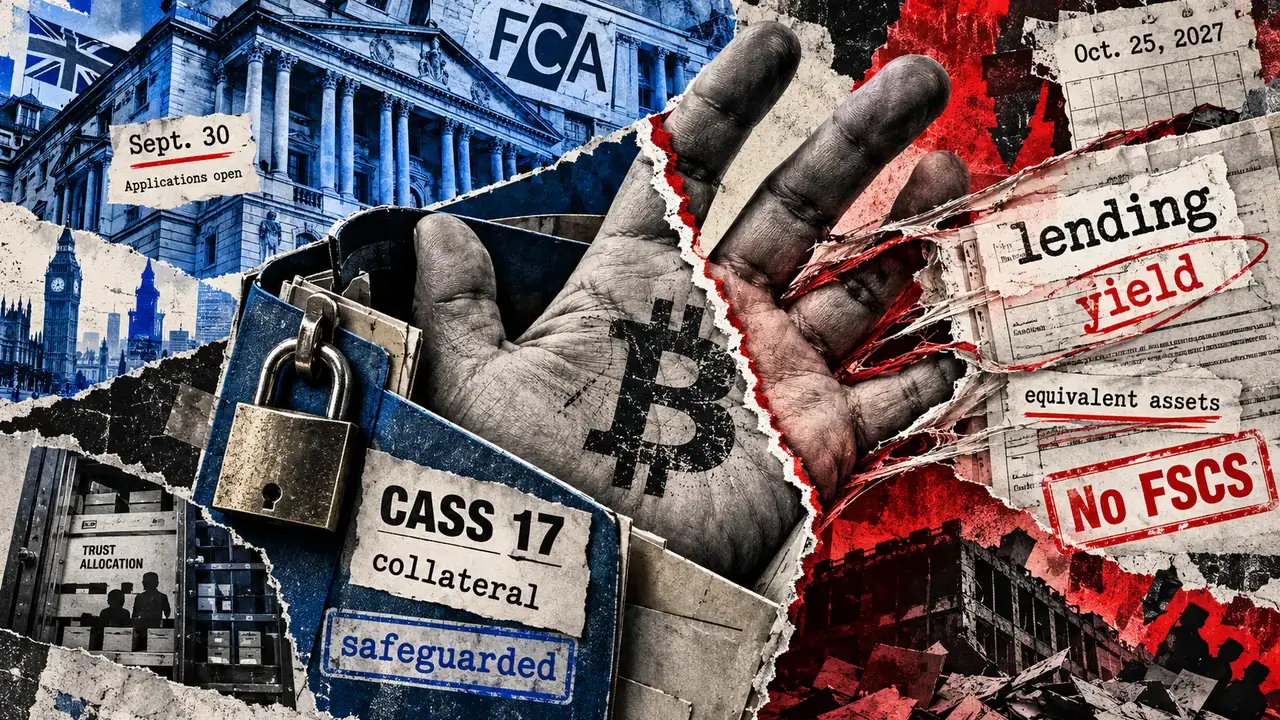
UK’s 2027 crypto rules let firms remove trust protection from Bitcoin lent for yield
UK crypto firms can now apply for authorization as of Sept. 30, bringing Bitcoin holders closer to a rulebook that will treat coin...
FCA Opens Five-Month Authorisation Window for UK Crypto Firms
The UK's financial regulator has given crypto companies five months to apply for FCA authorisation if they want their applications...

Kraken Completes Acquisition Of TradeStation Crypto Infrastructure Assets
In a major development confirmed on SEPTEMBER 30, 2026, Confirmed announcement/filing for Kraken Completes Acquisition Of TradeSta...
EigenLayer Unveils Dual-Staking Extension For Bitcoin Asset Security
In a major development confirmed on SEPTEMBER 30, 2026, Confirmed announcement/filing for EigenLayer Unveils Dual-Staking Extensio...