Germany’s 2022 Inflation Rate the Worst in More Than 30 Years
In a year that was characterized by surging energy and food prices, Germany’s average inflation rate in 2022 rose to 7.9% up from the 3.1% seen in 2021. Russia’s invasion of Ukraine, as well as the supply bottlenecks res...
Archive context
Older archive item. Useful for background and entity history, but not a fresh market-moving signal.
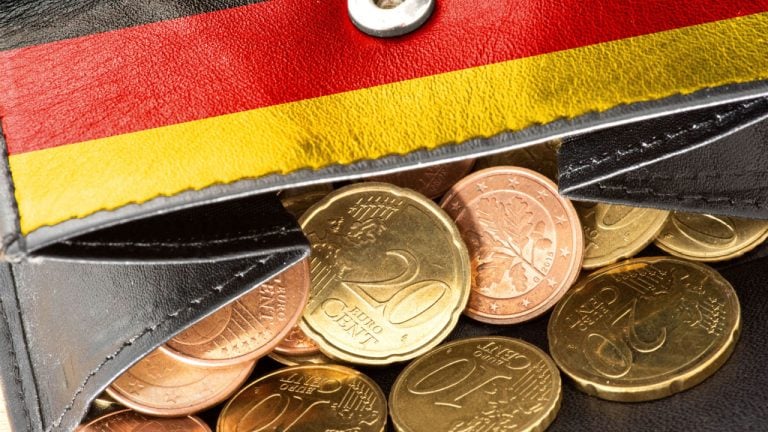
In a year that was characterized by surging energy and food prices, Germany’s average inflation rate in 2022 rose to 7.9% up from the 3.1% seen in 2021. Russia’s invasion of Ukraine, as well as the supply bottlenecks resulting from the war, are said to be among the factors that helped to drive up prices.
Impact of the Ukraine-Russia WarIn 2022, Germany’s average inflation rate topped 7.9%, its highest since the 1990 reunification, the country’s statistical office has said. As per the German press agency’s Jan. 3 report, the 2022 rate is more than double the 3.1% seen in 2021.
According to the report, rising energy and food prices were among the main drivers of inflation for several months. As expected, the German Federal Statistical Office (FSO) reportedly identified Russia’s invasion of Ukraine, as well as the ensuing supply bottlenecks, as two key factors that led to the record inflation rate.
“Consumers in Germany had to pay 24.4% more for energy in December than a year earlier. Food prices rose by 20.7% within a year,” the agency’s report explained.
Germany’s Monthly Inflation Slowing DownDespite recording what has been described as the country’s worst overall inflation rate since the 7.6% seen in 1951, the FSO data suggest that the monthly rate had dropped to 8.6% in December 2022. Before that, the rate had averaged 10.4% and 10%, in October and November, respectively.
To minimize the impact of rising prices on the population, the German government is reportedly planning to pour out “billions in aid.” It also aims to achieve this by using “price brakes for electricity and gas.” According to the report, some economists are optimistic that such steps will help tame inflation in 2023.
What are your thoughts on this story? Let us know what you think in the comments section below.
Why this matters
This cryptocurrency story adds another data point to the current market tape and is useful when read alongside nearby source coverage.
Original source
Read on Bitcoin NewsRelated market context
Strategy spent record cash on STRC buybacks at its worst price yet
Michael Saylor’s BTC company Strategy told investors that its STRC share buybacks would “taper” as STRC neared $100 per share. How...

A16z Crypto Plans ‘Frontier’ Rebrand and Broader Strategy: Report
General partner Ali Yahya is also reportedly leaving to build a startup, months after the team announced a $2.2 billion fifth fund...

Bitcoin’s $80,000 floor faces Friday inflation test as ETF inflows lose momentum
Bitcoin holds the $80,000 area, where Glassnode places the estimated average acquisition costs of US spot Bitcoin ETFs and publicl...

Bitcoin treasury companies return to profit as prices exceed $80K
The cautious approach of treasury firms amid Bitcoin's price surge highlights market volatility and strategic shifts in corporate...
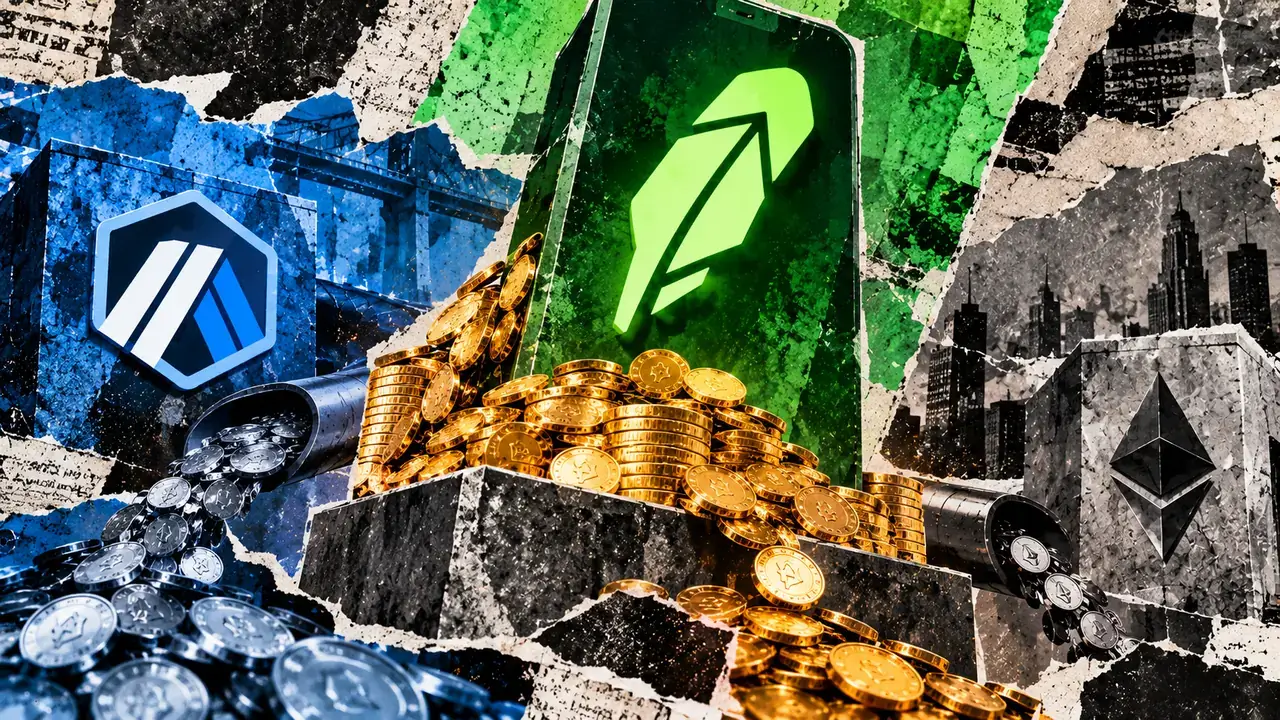
Robinhood generates $51 million in blockchain fees while Ethereum settlement costs total just $69,000
Bitwise’s Q3 estimates put most fees with the operator before business expenses, while ARB and ETH offer different economic exposu...

Market sees 3% chance of Bitcoin hitting record high this year
The low probability of Bitcoin reaching a new high this year reflects cautious market sentiment and highlights challenges in achie...