Ghanaian Cedi Second Worst-Performing Asset Among Sub-Saharan Africa’s Top 15 Currencies
In just the first 17 days of the new year, the Ghanaian currency reportedly depreciated by 12.7%, making it the second worst-performing among Sub-Saharan Africa’s top 15 currencies. While one U.S. dollar bought 13.10 uni...
Archive context
Older archive item. Useful for background and entity history, but not a fresh market-moving signal.
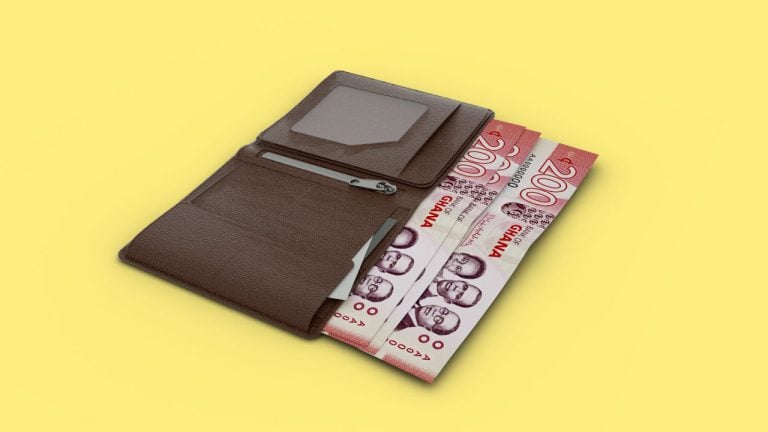
In just the first 17 days of the new year, the Ghanaian currency reportedly depreciated by 12.7%, making it the second worst-performing among Sub-Saharan Africa’s top 15 currencies. While one U.S. dollar bought 13.10 units of the cedi on the parallel market, according to the latest Bank of Ghana data, one greenback buys around 10.36 units of the local currency.
The Cedi’s Short-Lived ResurgenceAfter ending 2022 as one of the world’s worst-performing currencies, the Ghanaian currency is already one of two in Sub-Saharan Africa’s top 15 currencies that depreciated by double-digit figures within the first 17 days of the new year, a report has said. The Egyptian pound, which depreciated by 16.5% during the same period, is the only currency among Sub-Saharan Africa’s top 15 that has depreciated faster than the cedi.
Although the Ghanaian cedi’s year-to-date 12.7% drop is still lower than that of the whole of 2022 (38.86%), the latest depreciation suggests that the currency’s resurgence that started in late 2022 has dissipated.
As reported by Bitcoin.com News in mid-December 2022, the cedi rallied from around GHS14:$1 to under 9:1 in just four days. The currency’s revival had been fueled by reports suggesting the Ghanaian government had secured a $3 billion loan from the International Monetary Fund (IMF). Ghana needs the loan to help it stabilize its economy.
In addition to the IMF loan package, Ghana, one of Africa’s top gold producers, hopes to ease the pressure on the cedi through the recently launched gold-for-oil scheme.
Bank of Ghana Exchange Rates pic.twitter.com/AGI7GfW5M3
— Bank of Ghana (@thebankofghana) January 20, 2023
However, the cedi’s plunge to around GHS13.10:$1 on the forex parallel market suggests that neither the IMF loan nor the barter scheme can halt the currency’s fall. Meanwhile, at the time of writing, the Bank of Ghana’s data showed that one U.S. dollar bought GHS10.36 on the official foreign exchange market.
Register your email here to get a weekly update on African news sent to your inbox:
What are your thoughts on this story? Let us know what you think in the comments section below.
Why this matters
This cryptocurrency story adds another data point to the current market tape and is useful when read alongside nearby source coverage.
Original source
Read on Bitcoin NewsRelated market context

Vantage and Rio Bank settle a loan payment with tokenized deposits on Ethereum
This event highlights the potential for blockchain to revolutionize banking by enhancing transaction speed, efficiency, and compli...

Vantage and Rio Bank Use Tokenized Deposits for Loan Payment on Ethereum
Participate says principal and interest reached the receiving bank’s wallet in under three minutes, with loan balances and notices...
Securitize Cuts Out Stablecoin Middlemen in Deal With Anchorage Digital Bank
Securitize now creates and redeems stablecoins directly with Anchorage Digital Bank, N.A., the two companies announced on Tuesday....
Kalshi Pushes Deeper Into Crypto Derivatives With Bitcoin-Backed Margin Loans
Bitcoin Magazine Kalshi Pushes Deeper Into Crypto Derivatives With Bitcoin-Backed Margin Loans Kalshi is doubling down on its bid...
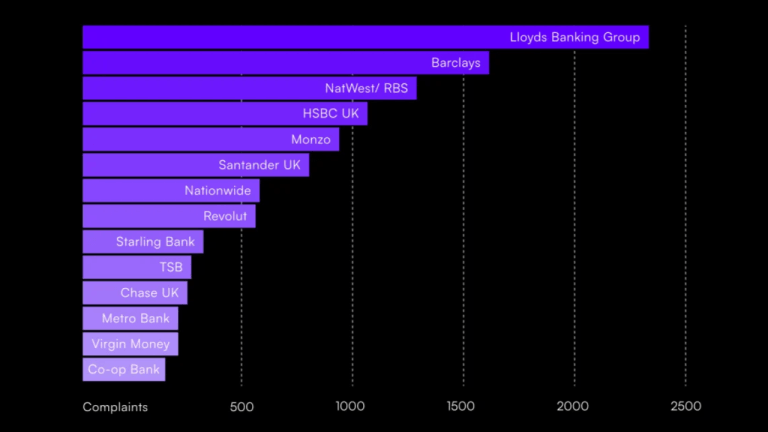
UK Banks Flooded With Crypto User Complaints, Led by Lloyds and Barclays
Evidence of banks restricting services for crypto asset users keeps piling up on both sides of the Atlantic. A new report highligh...
Bitcoin Could Outperform Most Assets, JPMorgan Says — But the Bank Still Won’t Recommend It
Bitcoin Magazine Bitcoin Could Outperform Most Assets, JPMorgan Says — But the Bank Still Won’t Recommend It JPMorganChase’s asset...