Hong Kong Authorities Arrest Two Siblings Accused of Laundering $384 Million via Banks, Crypto Platform
Authorities in Hong Kong have arrested two individuals accused of laundering about $384 million using various avenues including a cryptocurrency exchange trading platform. If convicted, the two face a maximum jail senten...
Archive context
Older archive item. Useful for background and entity history, but not a fresh market-moving signal.
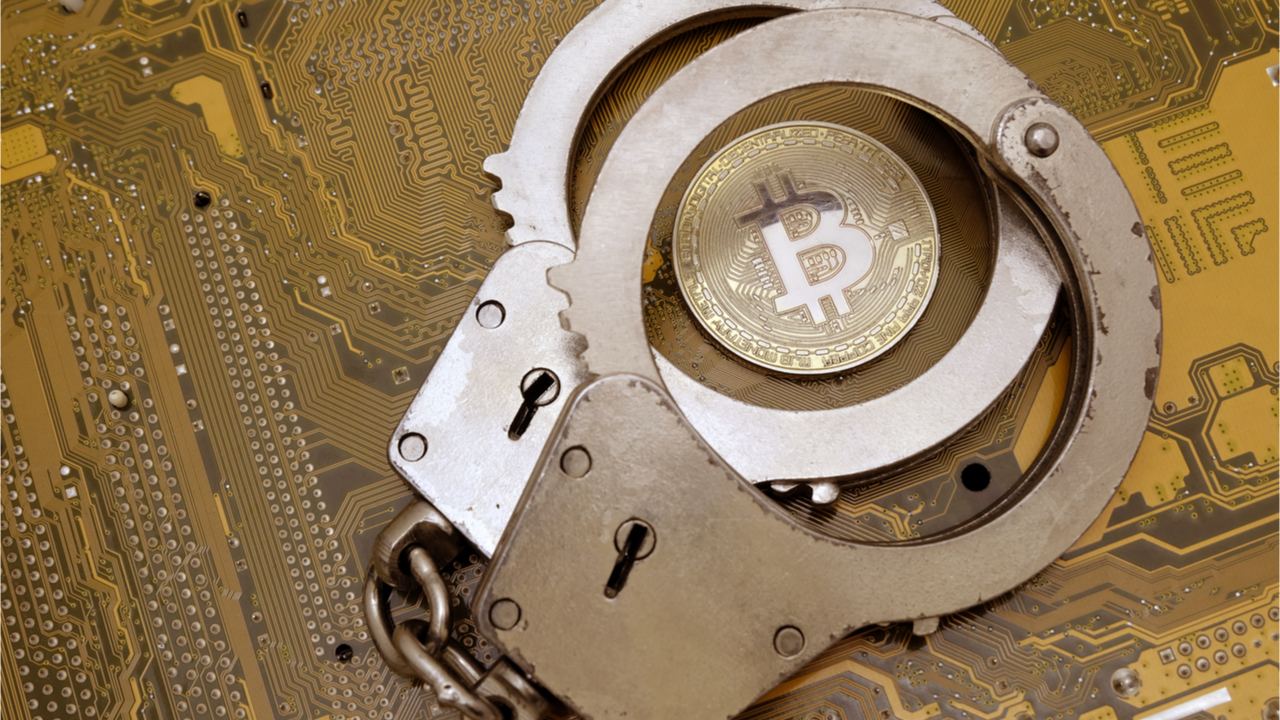
Authorities in Hong Kong have arrested two individuals accused of laundering about $384 million using various avenues including a cryptocurrency exchange trading platform. If convicted, the two face a maximum jail sentence of 14 years plus a fine of $5 million.
An Indictable OffenseTwo people accused of laundering about $384 million using a cryptocurrency exchange platform have been arrested, the Hong Kong regional government has said. The arrest of the two, a 28-year-old woman and her 21-year-old brother, followed a raid on their residential premises conducted by the Hong Kong Customs on December 28.
In a statement explaining the charges, the Government of Hong Kong Special Administrative Region said action had been taken because the siblings had dealt “with property known or reasonably believed to represent proceeds of an indictable offence” under the region’s Organized and Serious Crimes Ordinance (OSCO).
The government’s statement also explains the investigative steps that had been taken prior to the arrests, noting:
[The] investigation revealed that the two arrested persons had opened personal accounts between May to November last year at various banks in Hong Kong (including virtual banks) and a cryptocurrency exchange trading platform, and engaged in suspected money laundering by dealing with money from unknown sources through bank transfers, cash deposits and cryptocurrency.
Meanwhile, the statement revealed that the two siblings had since been released on bail but it suggested that investigations will continue while the “likelihood of further arrests is not ruled out.”
Offenders Can Be Jailed for Maximum of 14 YearsUnder the OSCO, a person is considered to have committed an offense “if he or she deals with any property knowing or having reasonable grounds to believe that such property in whole or in part directly or indirectly represents any person’s proceeds of an indictable offence.”
Those found guilty of this offense face a maximum jail sentence of 14 years plus a fine of $5 million, while the proceeds of their activities will be forfeited to the state, the statement said.
What are your thoughts on this story? Tell us what you think in the comments section below.
Why this matters
This cryptocurrency story adds another data point to the current market tape and is useful when read alongside nearby source coverage.
Original source
Read on Bitcoin NewsRelated market context

HSBC Launches First Stablecoin, Bringing Hong Kong Dollar Payments to 3.3M Users
HSBC has launched its first stablecoin, a Hong Kong dollar-backed digital currency designed for everyday payments, marking a signi...
Bybit Wins Dubai VARA Approval For Spot Crypto Exchange Services
TL;DR: Bybit says its Dubai entity has secured a VARA virtual-asset service provider licence covering spot exchange activity; deri...

Swell Freezes swETH and rswETH Withdrawals Until It Corrects Their Exchange Rates
Holders of Swell‘s swETH and rswETH cannot deposit or withdraw through the protocol after the team said at 2:39 a.m. ET Friday it...

Interpol Africa Sweep Nets 1,462 Arrests, Exposes Crypto Laundering
An Interpol-coordinated cybercrime crackdown focused on Africa led to 1,462 arrests and recovered more than $105 million. A Nigeri...
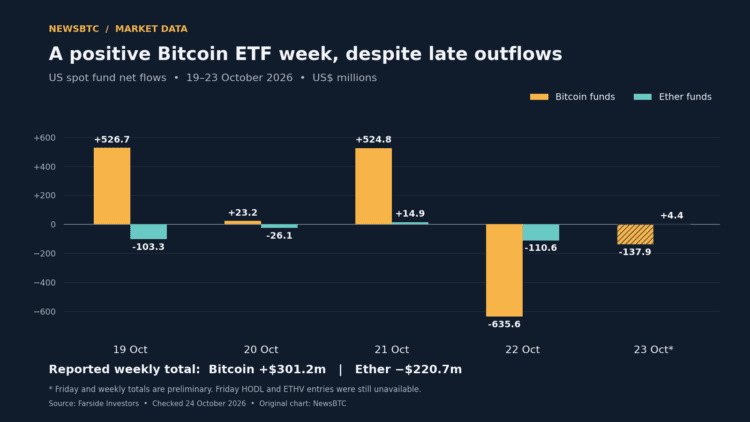
Bitcoin ETF Week Stays Positive After Nearly $774 Million In Late Outflows
TL;DR: Farside’s preliminary figures show US Bitcoin funds retaining a $301.2 million weekly inflow despite two days of withdrawal...

Ripple Study Finds Banks Could Unlock $100M Beyond Crypto Custody
Digital asset services and custody choices could improve a regional bank’s financial results by up to $100 million, according to r...