Humans Are More Likely to Believe Disinformation Generated By AI
Even before GPT-4's launch, a new study finds disinformation created with GPT-3 was harder to detect than human-made falsehoods.
Archive context
Older archive item. Useful for background and entity history, but not a fresh market-moving signal.

Why this matters
This cryptocurrency story adds another data point to the current market tape and is useful when read alongside nearby source coverage.
Original source
Read on DecryptRelated market context

Federated Hermes Targets $14B Tokenized Fund Market With Prometheum Q1 2027 Launch
Key Takeaways: Federated Hermes and Prometheum are set to launch the first tokenized fund product in Q1 2027. Prometheum will dist...

Bitcoin’s Volatility Has Fallen Within S&P 500 Ranks, Study Shows
Bitcoin Magazine Bitcoin’s Volatility Has Fallen Within S&P 500 Ranks, Study Shows Stocks and shares are a safer bet than buying b...

Fidelity Digital Assets finds Bitcoin now moving with US Treasury real rates
Bitcoin's correlation with US Treasury real rates suggests a shift in investor sentiment, potentially altering traditional portfol...
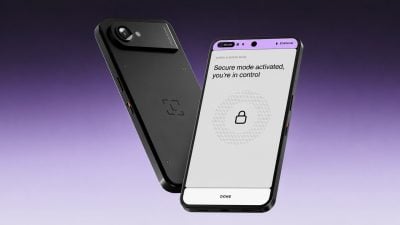
Ledger launches $849 phone like crypto wallet following chip implant attack
Ledger's Atom device signifies a shift towards integrated security solutions, potentially reshaping trust and innovation in crypto...

Ripple Prime launches 24/7 perpetual swaps on traditional assets for institutions
Ripple Prime's 24/7 perpetual swaps could revolutionize institutional trading by enhancing liquidity access and risk management be...

Cardano Foundation launches Research Exchange series on October 19
The Research Exchange series fosters transparency and collaboration, potentially enhancing Cardano's research impact and community...