IMF: Crypto Assets Become More Mainstream as Hedges Against Weak Currencies, Potential Payment Instruments
The International Monetary Fund (IMF) published a report stating that crypto assets have gained a “more mainstream presence as speculative investments, hedges against weak currencies, and potential payment instruments.”...
Archive context
Older archive item. Useful for background and entity history, but not a fresh market-moving signal.
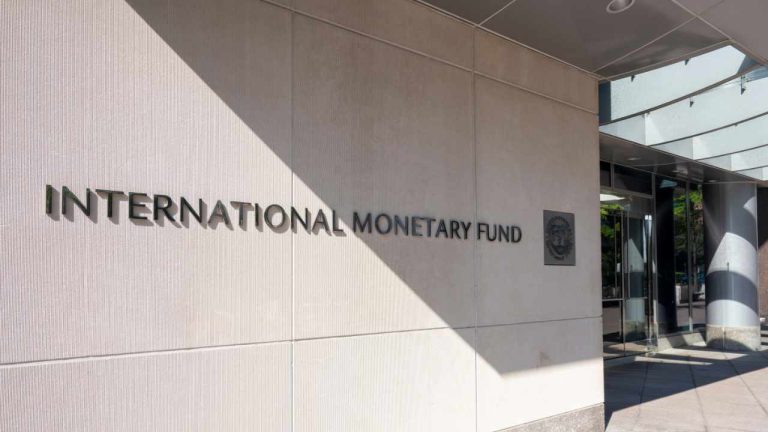
The International Monetary Fund (IMF) published a report stating that crypto assets have gained a “more mainstream presence as speculative investments, hedges against weak currencies, and potential payment instruments.” The IMF has called for a global response to crypto regulation that is coordinated, consistent, and comprehensive.
IMF Officials on Crypto Regulation, Mainstream Adoption
The International Monetary Fund (IMF) published a report titled “Regulating Crypto: The right rules could provide a safe space for innovation” in the September edition of its flagship Finance & Development magazine. The report is authored by IMF’s Monetary and Capital Markets Department deputy director Aditya Narain and assistant director Marina Moretti.
“Crypto assets have been around for more than a decade, but it’s only now that efforts to regulate them have moved to the top of the policy agenda,” the report describes, elaborating:
It’s only in the past few years that crypto assets have moved from being niche products in search of a purpose to having a more mainstream presence as speculative investments, hedges against weak currencies, and potential payment instruments.
“The failures of crypto issuers, exchanges, and hedge funds — as well as a recent slide in crypto valuations — have added impetus to the push to regulate,” the authors noted.
The report details challenges in regulating crypto. “Applying existing regulatory frameworks to crypto assets, or developing new ones, is challenging for several reasons,” Narain and Moretti wrote.
“For a start, the crypto world is evolving rapidly. Regulators are struggling to acquire the talent and learn the skills to keep pace given stretched resources and many other priorities. Monitoring crypto markets is difficult because data are patchy, and regulators find it tricky to keep tabs on thousands of actors who may not be subject to typical disclosure or reporting requirements,” they explained.
Noting efforts on both the national and international levels to develop crypto regulations, the IMF officials said: “The regulatory fabric is being woven, and a pattern is expected to emerge. But the worry is that the longer this takes, the more national authorities will get locked into differing regulatory frameworks.”
“This is why the IMF is calling for a global response” that is coordinated, consistent, and comprehensive, they concluded, elaborating:
A global regulatory framework will bring order to the markets, help instill consumer confidence, lay out the limits of what is permissible, and provide a safe space for useful innovation to continue.
What do you think about the comments by the IMF officials? Let us know in the comments section below.
Why this matters
This cryptocurrency story adds another data point to the current market tape and is useful when read alongside nearby source coverage.
Original source
Read on Bitcoin NewsRelated market context

How Solana Supports Fast Crypto Payments in Digital Gaming
Picture a SOL holder on a quiet evening, watching the token tick sideways on a chart that hasn’t done much all week. Rather than r...

Thai Platform Unveils Crypto-to-QR Payment App for Foreign Travelers
A Thailand-based collaboration has launched a digital wallet app that enables international tourists to convert stablecoins into b...

South Korea’s Crypto Tax Faces Fourth Delay as 2029 Date Looms: Report
South Korea is preparing to push its cryptocurrency gains tax back for a fourth time, according to local reporting, potentially gi...

PrimeRevenue Announces Solana Tokenization of Corporate Payment Drafts
The platform reports more than $300 billion in annual payment transactions, while broader access for eligible onchain investors re...

Brad Garlinghouse Announces Final OCC Approval for Ripple National Trust Bank
The decision completes a regulatory process that began with conditional approval in December 2025. The new charter is expected to...
Ripple Wins Final OCC Trust Bank Approval, Putting $2.5B RLUSD Under Federal Oversight
Key Takeaways: Ripple received final OCC authorization for its national trust bank. The bank will back up both reserves (RLUSD) an...