India U.S. Tariff Pact Races Toward 10% Deal Before Trump’s July 9 Deadline
Key Takeaways: Indian and U.S. officials began trade talks in New Delhi ahead of Trump’s July 9 deadline. Negotiations focus on tariff reductions in the agriculture and automobile sectors. India is offering a 10% average...
Archive context
Older archive item. Useful for background and entity history, but not a fresh market-moving signal.
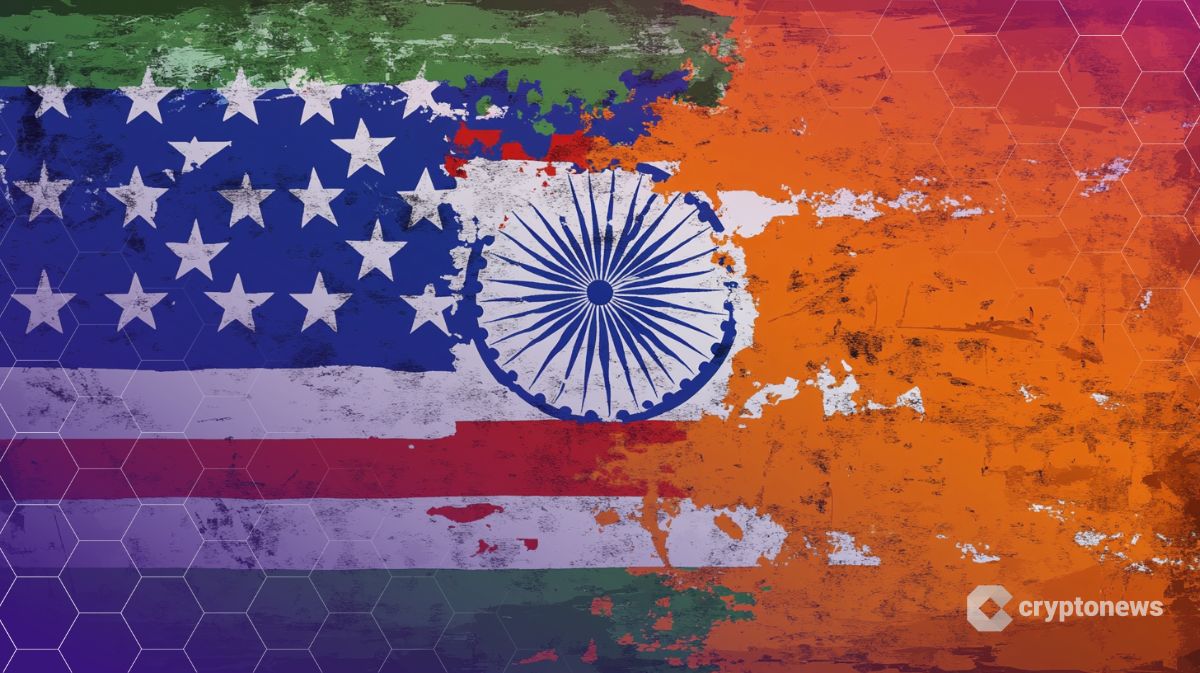
Key Takeaways:
- Indian and U.S. officials began trade talks in New Delhi ahead of Trump’s July 9 deadline.
- Negotiations focus on tariff reductions in the agriculture and automobile sectors.
- India is offering a 10% average tariff rate contingent on reciprocal concessions.
- Industry advocates say tax clarity could align crypto growth with India’s global trade goals.
Indian and U.S. officials began two days of closed-door trade negotiations in New Delhi on Thursday, with both sides working to finalize an interim deal before a July 9 deadline set by President Donald Trump.
According to Reuters, two Indian government officials revealed that talks are focused on reducing tariffs in sectors such as agriculture and automobiles, alongside provisions for enhanced market access.
Tariff Alignment and Market Access Top PrioritiesOne official said the proposed measures include “tariff alignment and quota-based concessions,” with an announcement expected before the end of June.
The U.S. delegation is led by senior staff from the Office of the United States Trade Representative, while India’s team is headed by chief negotiator Rajesh Agrawal. Trade Minister Piyush Goyal may join the talks upon his return from Italy, according to a third source.
Washington is requesting broader access to India’s farm and dairy markets, while Indian negotiators are pushing for more favorable treatment of domestic exports and supply chain partnerships.
One official said India has proposed to lower average tariffs to match the U.S. base rate of 10%, contingent on reciprocal commitments.
The talks follow a February agreement to pursue a phased trade roadmap with the goal of raising bilateral trade volumes to $500 billion by 2030. India recorded a $45.7 billion trade surplus with the U.S. in 2024.
U.S. Commerce Secretary Howard Lutnick said earlier this week that discussions were moving forward and that a resolution could be finalized soon. Neither country has officially commented on the current round of talks.
India Considers Crypto Policy as Part of Wider StrategyIndia’s evolving approach to crypto regulation is beginning to intersect with its broader trade and investment strategy. As the country negotiates tariff agreements with the U.S. and other partners, officials are weighing how digital asset policy could factor into future market access and capital flows.
India’s Supreme Court compares unregulated Bitcoin trading to a “refined Hawala” amid ongoing regulatory uncertainty, urging the government to clarify crypto laws and protect investors.#Crypto #India #Bitcoinhttps://t.co/Wou7XATWTq
— Cryptonews.com (@cryptonews) May 6, 2025Industry groups argue that tax reform and regulatory clarity could make India a more attractive destination for crypto-related investment. They point to the return of firms like Binance and Coinbase as a cue that clearer rules could draw capital back onshore and complement India’s trade ambitions.
While formal relief has not yet materialized, the Finance Ministry is reviewing a discussion paper on virtual assets. Executives say aligning crypto policy with broader economic goals could support India’s $500 billion trade target with the U.S. and position it more competitively in global digital markets.
Frequently Asked Questions (FAQs)Why is Trump’s July 9 deadline relevant?It is a self-imposed milestone tied to his administration’s trade agenda. Both governments are trying to reach a deliverable before that political window closes.
What are quota-based concessions?These are agreements where specific quantities of goods can enter a market at reduced or zero tariffs. India may offer these to protect sensitive sectors while expanding access selectively.
What would a 10% average tariff mean for India-U.S. trade?It would bring India’s rates closer to U.S. levels and could reduce friction in sectors like manufacturing and agribusiness, where tariff disparities remain a hurdle.
The post India U.S. Tariff Pact Races Toward 10% Deal Before Trump’s July 9 Deadline appeared first on Cryptonews.
Why this matters
This cryptocurrency story adds another data point to the current market tape and is useful when read alongside nearby source coverage.
Original source
Read on CryptonewsRelated market context

Kalshi and Polymarket won’t be part of FTC sports gambling probe, report
Rival prediction markets Kalshi and Polymarket will reportedly be excluded from the Federal Trade Commission’s (FTC) probe into de...

Super League buys its first Bitcoin for $83,041 ahead of Metaplanet deal
Super League's Bitcoin acquisition signals a strategic shift towards integrating cryptocurrency into its financial and operational...

Australia moves to close crypto derivatives loophole after retail traders lose A$458 million
Australia's markets regulator proposed extending retail leverage restrictions to crypto-settled derivatives amid mounting losses a...

UK crypto trader says almost $800,000 lost in knife attack as wrench attacks proliferate
A crypto trader in the U.K. claimed masked intruders stole nearly $800,000 in cryptocurrency at knifepoint, furthering concerns of...

Peach adds native USDC bridging so Arc users can fund and trade in one place
Peach's integration enhances Arc's user experience by simplifying cross-chain liquidity, potentially boosting user engagement and...

Russia’s largest bank Sberbank secures approval to trade crypto
Sberbank plans to open crypto trading to all clients Dec. 1 and is already testing BTC, ETH and USDT trades in its app.