Indian Government Consulting With Central Bank RBI on Crypto — ‘There Is Complete Harmony’
The Indian government is consulting with the Reserve Bank of India (RBI) on crypto policies. According to the finance minister, the government and the central bank are in “complete harmony” on crypto and other issues. In...
Archive context
Older archive item. Useful for background and entity history, but not a fresh market-moving signal.
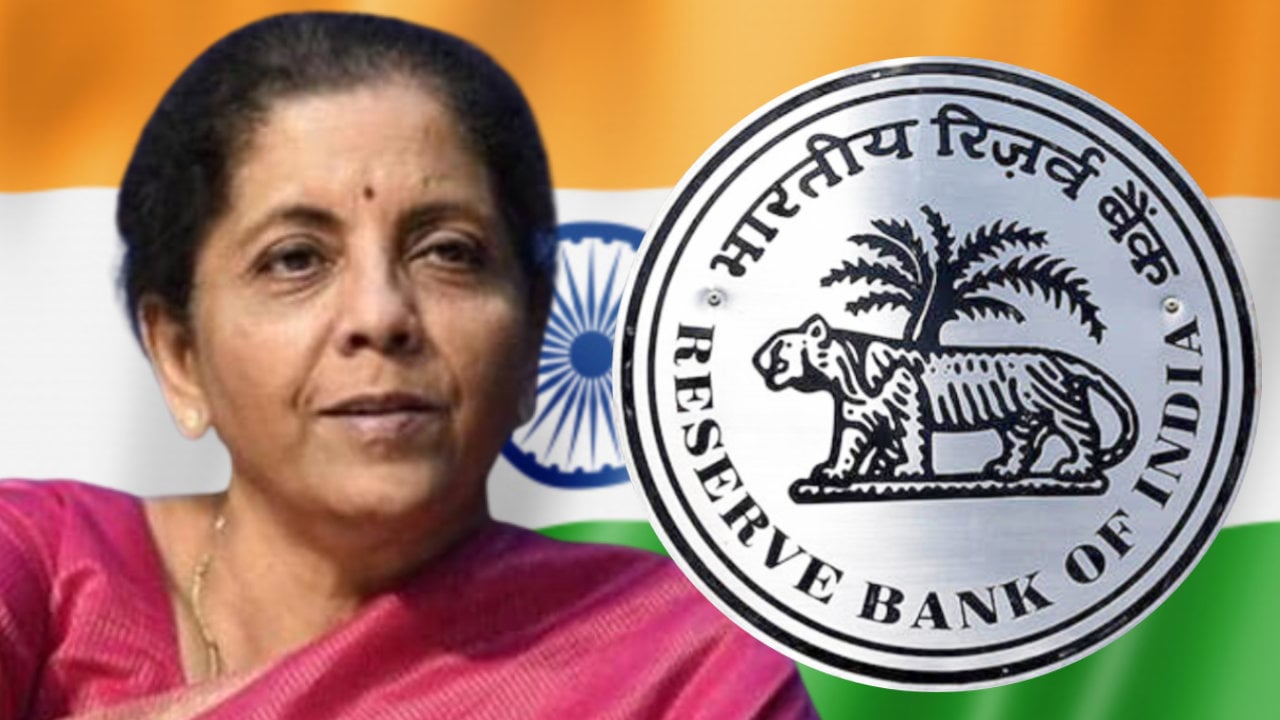
The Indian government is consulting with the Reserve Bank of India (RBI) on crypto policies. According to the finance minister, the government and the central bank are in “complete harmony” on crypto and other issues.
Indian Finance Minister Nirmala Sitharaman revealed Monday that the government is discussing crypto policies with the central bank, the Reserve Bank of India (RBI).
At the conclusion of the RBI’s board meeting, the finance minister told reporters that the government and the central bank are in “complete harmony” regarding cryptocurrency and other issues. She described:
Whatever the government does, we consult and have discussions with the RBI.
“So if I were to tax 30% and then discuss Goods and Services Tax (GST) and everything else, I would be tying RBI’s hands if I hadn’t even talked to them,” she continued.
Sitharaman proposed taxing cryptocurrency income at 30% during her budget speech last week. She subsequently clarified that taxing cryptocurrency is a sovereign right.
The finance minister detailed, “So, with the RBI and the [finance] ministry, not just on crypto but on every other thing as well, I think over the last few years you would have noticed that there is complete harmony with which we are working,” elaborating:
We respect each other’s domain and know what we have to do with each other’s priorities and in the interest of the nation. There’s no turfing here.
The central bank has repeatedly voiced concerns regarding cryptocurrency. Last week, RBI Governor Shaktikanta Das said that cryptocurrency is a big threat to India’s macroeconomic and financial stability. In December last year, the central bank recommended a complete ban on crypto, saying that a partial ban will not work.
Das also urged crypto investors to keep in mind that they are investing at their own risk. He stressed, “cryptocurrency has no underlying, not even a tulip.”
The RBI governor confirmed to reporters Monday that crypto issues are being discussed internally, stating:
Whatever points we have, we discuss with the government. Beyond that I would not like to further elaborate.
What do you think about the Indian government and the central bank being in “complete harmony” on crypto policies? Let us know in the comments section below.
Why this matters
This cryptocurrency story adds another data point to the current market tape and is useful when read alongside nearby source coverage.
Original source
Read on Bitcoin NewsRelated market context

Bank of Israel Rejects Netanyahu’s Crypto Sanction-Evasion Plan
The institution stressed that instead of seeking alternatives to bypass possible international sanctions against the nation, Israe...

Lido Puts Liquidity Buffers At The Center Of Ethereum ETP Yield Debate
An Ethereum investment product can advertise staking exposure without putting every unit of its ETH to work. Lido’s October 23 com...

Ethereum (ETH) Price Prediction: Whale Rotates $155M Into ETH as Longs Surge Near $2,500
Ethereum is trying to stabilize after another volatile stretch, with price returning toward the mid-$2,400 region while several po...

Austin Griffith Demonstrates How Fast Bots Can Drain Weak Ethereum Keys
Austin Griffith of the Ethereum Foundation put about $1 in an Ethereum wallet whose private key was the number 6969, and bots went...

Solana adds $22M in euro stablecoins in one week, outpacing every other chain
Solana's rapid euro stablecoin growth highlights its rising influence in the crypto market, potentially challenging Ethereum's dom...

Lido Opens Higher-Balance Ethereum Validators With A Deliberately Small Start
Lido has opened a permissionless route to Ethereum validators that can hold much larger effective balances, but the first allocati...