Indian Regulator SEBI Wants Mutual Funds to Stay Away From Crypto Investments Until Legislation Is Finalized
The Securities and Exchange Board of India (SEBI) has reportedly asked mutual fund companies not to get involved or invest in any type of crypto asset-based investments until the Indian government has come up with crypto...
Archive context
Older archive item. Useful for background and entity history, but not a fresh market-moving signal.
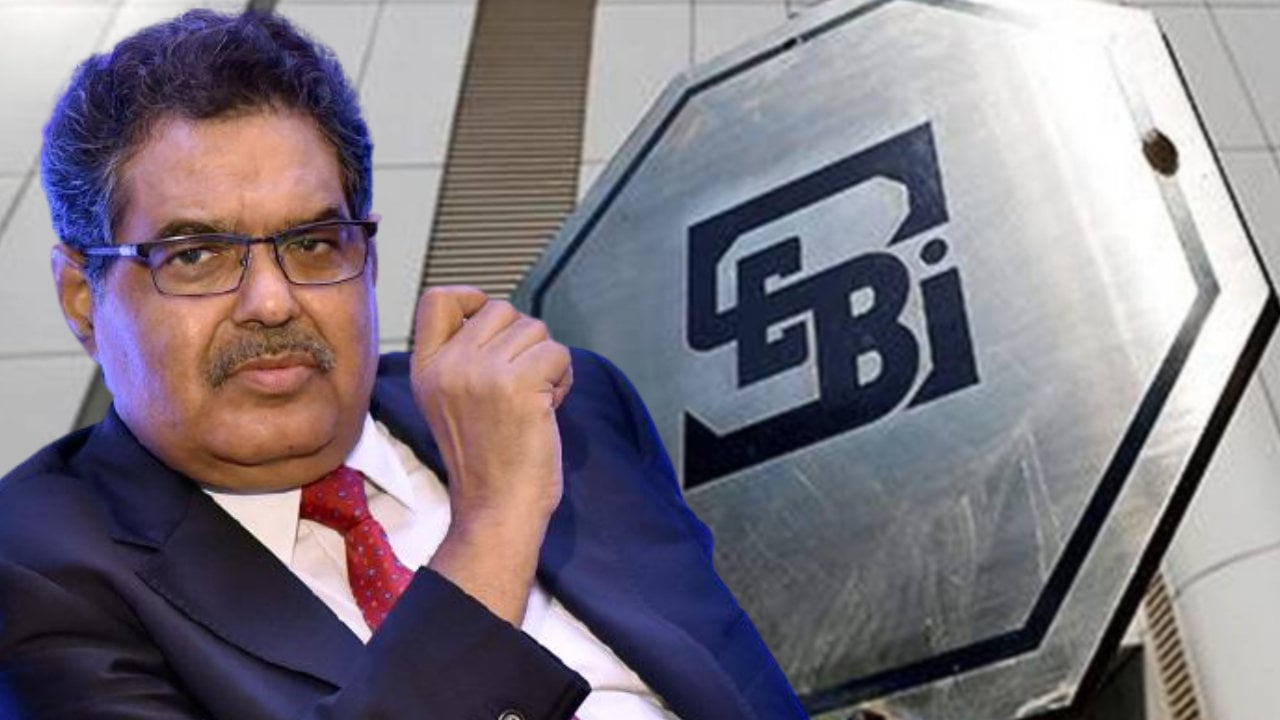
The Securities and Exchange Board of India (SEBI) has reportedly asked mutual fund companies not to get involved or invest in any type of crypto asset-based investments until the Indian government has come up with cryptocurrency legislation.
SEBI Asks Mutual Fund Companies to Wait for Crypto LegislationThe chairman of the Securities and Exchange Board of India (SEBI), Ajay Tyagi, reportedly said Tuesday that the market regulator does not want mutual fund companies to get involved or invest in any type of crypto asset-based new fund offers (NFOs) until the Indian government has come up with cryptocurrency legislation.
There is currently no law governing cryptocurrencies directly in India. However, the Indian government is actively working on cryptocurrency legislation. A crypto bill was listed to be considered in the winter session of parliament but it was not taken up. The government is now reportedly reworking the bill.
Last month, Indian asset management firm Invesco Mutual Fund delayed launching its Invesco Coinshares Global Blockchain ETF Fund of Fund due to regulatory uncertainty around crypto assets even though it was approved by SEBI. The fund is an open-ended scheme investing in Invesco Coinshares Global Blockchain UCITS ETF. It is the first fund in India with exposure to the blockchain ecosystem to receive approval from SEBI.
The underlying fund’s portfolio as of Nov. 2 includes Coinbase Global, GMO Internet, Kakao Corp. SBI Holdings, Hive Blockchain Technologies, Bitfarms, Bit Digital, and Microstrategy.
While the Indian government has not made an official announcement whether it will ban or regulate cryptocurrencies, there are reports that crypto assets will be regulated with SEBI as the main regulator.
Meanwhile, India’s central bank, the Reserve Bank of India (RBI), has been calling on the government to completely ban cryptocurrency, noting that a partial ban will not work. RBI Governor Shaktikanta Das has been saying that the central bank has serious and major concerns regarding cryptocurrencies.
What do you think about SEBI asking mutual fund companies not to invest in any type of crypto asset-based funds until legislation is in place? Let us know in the comments section below.
Why this matters
This cryptocurrency story adds another data point to the current market tape and is useful when read alongside nearby source coverage.
Original source
Read on Bitcoin NewsRelated market context

Swiss Regulator Approves First Domestic Spot Bitcoin ETF Under Fund Law
TL;DR: Switzerland’s FINMA has authorized a Bitcoin ETF structured as a Swiss-law public investment fund; the approval differs fro...
JPMorgan Brings Tokenized Money Funds to Solana for US Investors
J.P. Morgan Asset Management has expanded its tokenized money market funds MONY and JLTXX onto Solana, giving qualified U.S. inves...
JPMorgan Expands Tokenized Money Market Funds To Solana
TL;DR: J.P. Morgan Asset Management says qualified U.S. investors can now access MONY and JLTXX tokenized money market funds on So...
Franklin Moves Bitcoin DRIP ETFs Toward Nasdaq With Dividend Reinvestment Plan
TL;DR: Franklin Templeton has filed exchange registrations for two stock-and-Bitcoin ETFs. Their strategy redirects equity dividen...

Swell Freezes swETH and rswETH Withdrawals Until It Corrects Their Exchange Rates
Holders of Swell‘s swETH and rswETH cannot deposit or withdraw through the protocol after the team said at 2:39 a.m. ET Friday it...
US Senator Questions Tether Over Reported Payments Linked To Former Crypto Adviser
TL;DR: Senator Richard Blumenthal has demanded records from Tether and consultancy Nxum over reported payments and potential ethic...