India’s Central Bank Chief: Cryptocurrencies Will Cause Next Financial Crisis if They’re Not Banned
The governor of India’s central bank, the Reserve Bank of India (RBI), has warned that the next financial crisis will come from cryptocurrencies, like bitcoin and ether. The central bank chief added that cryptocurrencies...
Archive context
Older archive item. Useful for background and entity history, but not a fresh market-moving signal.
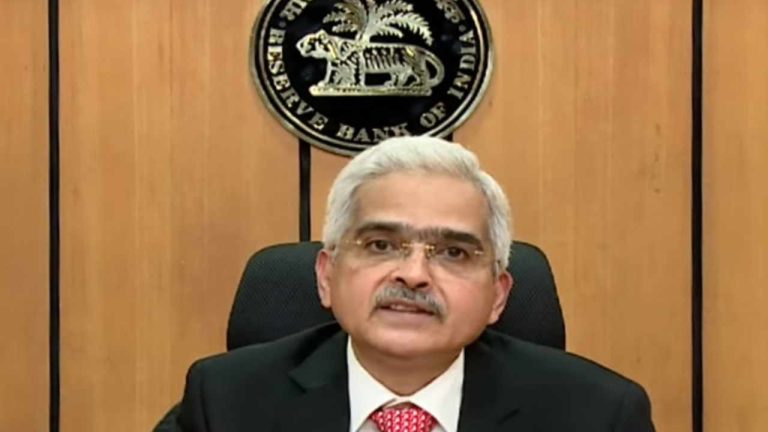
The governor of India’s central bank, the Reserve Bank of India (RBI), has warned that the next financial crisis will come from cryptocurrencies, like bitcoin and ether. The central bank chief added that cryptocurrencies pose “huge inherent risks” to India’s macroeconomic and financial stability.
Indian Central Bank Warns About Crypto Causing the Next Financial CrisisReserve Bank of India (RBI) Governor Shaktikanta Das warned about the danger of cryptocurrency Wednesday. The central banker cautioned:
Cryptocurrencies have … huge inherent risks for our macroeconomic and financial stability.
The RBI is primarily concerned about cryptocurrencies having no underlying value, Das clarified, emphasizing that crypto is “speculative” and should be banned.
Indian authorities refer to any non-government-issued cryptocurrencies, such as bitcoin and ether, as “private” cryptocurrencies. Commenting on crypto trading, Das said:
It is a hundred percent speculative activity, and I would still hold the view that it should be prohibited … because, if it is allowed to grow — if you try to regulate it and allow it to grow — please mark my words, the next financial crisis will come from private cryptocurrencies.
Meanwhile, India is trying to launch its own central bank digital currency (CBDC). The RBI recently started both wholesale and retail digital rupee pilots.
Das explained that CBDCs can expedite international money transfers and reduce the need for logistics, including printing notes. Earlier this month, RBI Deputy Governor T. Rabi Sankar claimed that India’s central bank digital currency can do anything cryptocurrencies can do.
The Indian government is also working on the country’s crypto policy. Earlier this week, the government provided Lok Sabha, the lower house of India’s parliament, with an update on its cryptocurrency bill that was scheduled to be discussed in the winter session of parliament last year.
Meanwhile, India’s finance minister, Nirmala Sitharaman, has shared that the government plans to discuss crypto regulations with the G20 countries to establish a technology-driven framework for crypto assets. Last month, she and U.S. Treasury Secretary Janet Yellen discussed crypto regulation during the ninth India-U.S. Economic and Financial Partnership meeting.
What do you think about the warning by India’s central bank governor about crypto causing the next financial crisis? Let us know in the comments section below.
Why this matters
This cryptocurrency story adds another data point to the current market tape and is useful when read alongside nearby source coverage.
Original source
Read on Bitcoin NewsRelated market context

Central Bank of Ireland Fines Coinbase Unit €3.25 Million Over Customer Fund Safeguarding Failures
Bitcoin Magazine Central Bank of Ireland Fines Coinbase Unit €3.25 Million Over Customer Fund Safeguarding Failures The Central Ba...

Central Bank of Ireland fines Coinbase €3.25 million over customer fund safeguarding failures
The fine highlights the increasing regulatory scrutiny on crypto firms, emphasizing the need for robust governance and compliance...
China Moves to Confiscate $5 Billion in Bitcoin From Fraudster Who Fled to UK: Report
Bitcoin Magazine China Moves to Confiscate $5 Billion in Bitcoin From Fraudster Who Fled to UK: Report Chinese authorities are wor...

SoFi launches tokenized bank deposits offering 4.4% yield and FDIC insurance
SoFi's innovative product could reshape digital banking by merging traditional finance security with crypto flexibility, potential...

Italian Police Uncover €110M Mafia Banking Scheme Using Crypto
Italian police have dismantled an alleged mafia-run underground bank that operated behind a car-rental business near Milan, proces...

Robinhood Wins Dubai License to Bring Bitcoin and Stock Trading to the Middle East in 2027
Bitcoin Magazine Robinhood Wins Dubai License to Bring Bitcoin and Stock Trading to the Middle East in 2027 Robinhood Markets has...