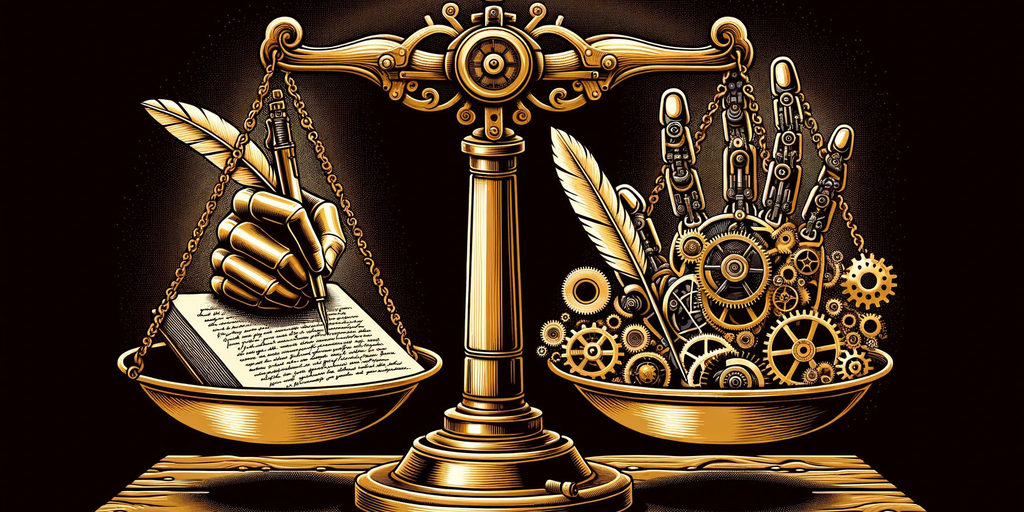
Invisible Ink: Researchers Probe the Weaknesses of Watermarking AI-Generated Content
New research suggests watermarking may not be enough to ensure that we can identify deepfakes.
Archive context
Older archive item. Useful for background and entity history, but not a fresh market-moving signal.
Why this matters
This cryptocurrency story adds another data point to the current market tape and is useful when read alongside nearby source coverage.
Original source
Read on DecryptRelated market context

Citrini Research favors AAVE, UNI, ETHFI, PENDLE, and ONDO in tokenization bet
Citrini's focus on infrastructure over headline assets suggests a shift towards sustainable growth in crypto through tokenization...

AI Could Weaken Ethereum Security as Cryptographic Risks Grow, Vitalik Buterin Warns
Buterin urged developers to prepare for potential AI vulnerabilities in both conventional and quantum-resistant cryptography, whil...
Citrini Research Says Tokenized Assets and AI Agents Make Crypto a Fundamentals Trade
Citrini Research published a report on Thursday arguing that AI agents and tokenized assets have opened a new paradigm of “fundame...

Citrini Research says agentic finance signals a new era for crypto investing
Agentic finance could revolutionize crypto investing by integrating AI and blockchain, potentially transforming financial markets...

Vitalik Warns AI Math Could Threaten Crypto Keys Before Quantum Computing Arrives
Key Takeaways: Vitalik Buterin states that the rise of today’s cryptography is outpaced by AI-accelerated mathematics. In addition...

Ledger Probes Potential Theft of $87M in User Funds Tied to Crypto Wallet Reseller
Ledger asked reseller CryptoBilis to pause sales and urged recent buyers not to set up their devices, as an onchain investigator t...