Islamic Scholar Says Digital Currency is Not a ‘Fictitious Currency’
An Islamic scholar, Irshad Ahmad Ijaz, has asserted that digital currency is not fake currency and that it should be legitimized once certain conditions are met. Ijaz’s viewpoint is echoed by other scholars that attended...
Archive context
Older archive item. Useful for background and entity history, but not a fresh market-moving signal.
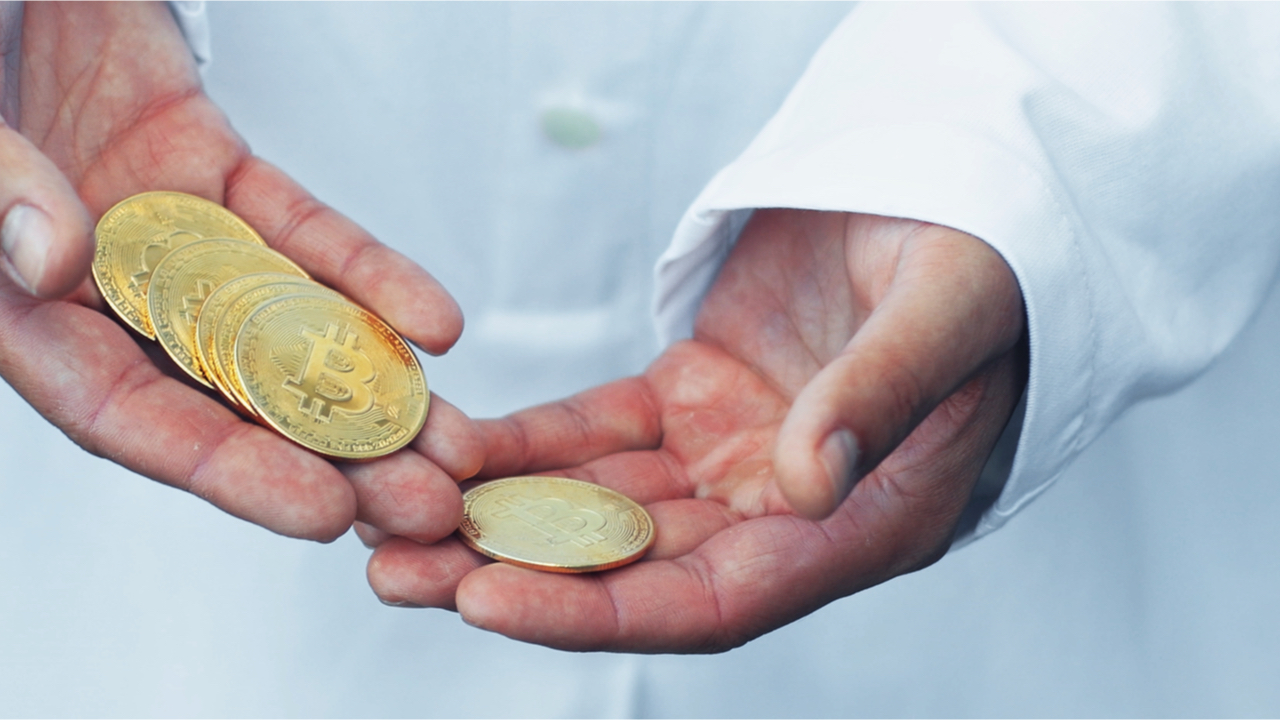
An Islamic scholar, Irshad Ahmad Ijaz, has asserted that digital currency is not fake currency and that it should be legitimized once certain conditions are met. Ijaz’s viewpoint is echoed by other scholars that attended a seminar examining the status of digital currencies from the perspective of Islamic law.
Use of Crypto in the Digital Age
An Islamic scholar or Mufti, Irshad Ahmad Ijaz, recently argued digital currencies are not so-called fictitious currency, a report has said. He, however, suggested that such currency can only be justified once certain conditions have been met.
According to a report published by Academia, Ijaz, who made his remarks while speaking at a seminar held in Pakistan on cryptocurrencies — organized by the University of Karachi and the Al-Asr Foundation — also urged the Pakistani government to play its part and ensure the confusion surrounding the use of cryptos is removed.
Meanwhile, the report also quotes another scholar, Ishaq Alam, who suggested that Islamic scholars need to understand the world is moving into the digital age and new problems that require new solutions will emerge. Understanding this, according to Alam, enables scholars to issue proper guidance to users of digital currencies.
Echoing similar sentiments is Mufti Owais Paracha, a crypto expert who is quoted in the report acknowledging how past attempts to create a digital currency failed and how Satoshi Nakamoto’s creation ultimately succeeded. According to Paracha, bitcoin has been successful because it combines cryptography and the so-called techniques that were used in previous currencies.
Elsewhere in the report, scholars also emphasized the need for more research on the subject of digital currencies. This, in turn, will ostensibly enable the scholars to offer opinions that guide users or holders of digital currencies in the country.
These sentiments, which were expressed by the mainly Pakistani scholars, come shortly after the country’s central bank governor, Reza Baqir, warned in a speech that the potential risks that are associated with cryptocurrencies outweigh the benefits. Baqir also said these assets pose a risk to financial stability.
Yet, despite the governor’s remarks, Bitcoin.com News reported in late December 2021 that Pakistanis possessed crypto assets that are valued at over $20 billion.
What are your thoughts on this story? Tell us what you think in the comments section below.
Why this matters
This cryptocurrency story adds another data point to the current market tape and is useful when read alongside nearby source coverage.
Original source
Read on Bitcoin NewsRelated market context
SEC’s Crypto Custody Proposal Could Change How Funds Hold Digital Assets
TL;DR: The SEC has proposed a tailored crypto custody framework for advisers and regulated funds, but the changes are not yet fina...
South Korea’s Crypto Tax Faces Fourth Delay as 2029 Date Looms: Report
South Korea is preparing to push its cryptocurrency gains tax back for a fourth time, according to local reporting, potentially gi...
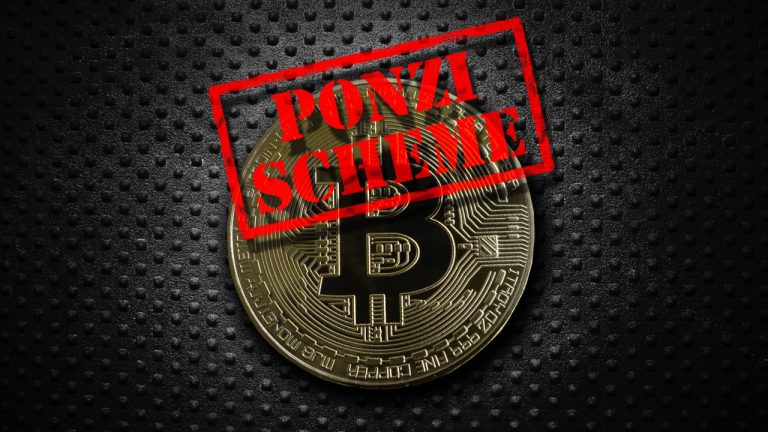
Arbistar Ponzi Scheme Wallets Moved Over $1.1B in Bitcoin After Collapse: Report
Spanish authorities investigating the fraudulent cryptocurrency platform Arbistar have uncovered massive post-collapse bitcoin mov...

How Solana Supports Fast Crypto Payments in Digital Gaming
Picture a SOL holder on a quiet evening, watching the token tick sideways on a chart that hasn’t done much all week. Rather than r...

Binance blocks North Korea-linked cyberattacks, reports no asset losses
Binance's defense against North Korean cyberattacks highlights the critical need for robust security measures and user vigilance i...

Solana’s Firedancer team now charges 1 SOL per bug report to curb AI spam
Charging for bug reports may deter low-quality submissions, but it risks excluding less-funded researchers and could impact overal...