Japan to Propose Restricting Stablecoin Issuers to Banks and Wire Transfer Companies
Japan’s top financial regulator, the Financial Services Agency (FSA), is reportedly planning to propose legislation to restrict stablecoin issuance to banks and wire transfer companies. Crypto service providers involved...
Archive context
Older archive item. Useful for background and entity history, but not a fresh market-moving signal.
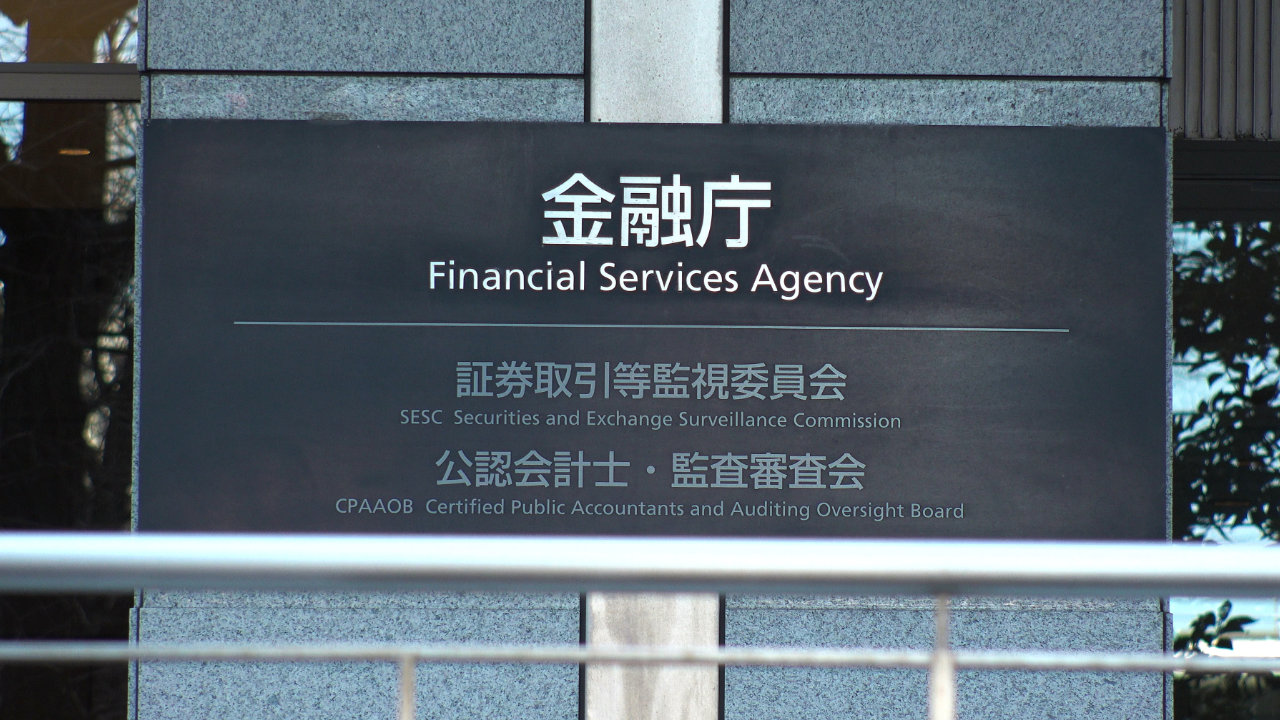
Japan’s top financial regulator, the Financial Services Agency (FSA), is reportedly planning to propose legislation to restrict stablecoin issuance to banks and wire transfer companies. Crypto service providers involved in stablecoin transactions, including wallets, will also be brought under the financial regulator’s oversight.
Japan to Tighten Stablecoin Regulation
Japan’s Financial Services Agency (FSA) is planning to tighten the regulation of stablecoins by imposing strict rules on their issuers, Nikkei reported Monday, stating:
The Financial Services Agency seeks to propose legislation in 2022 to restrict issuance of stablecoins to banks and wire transfer companies.
The FSA will also tighten regulations related to the prevention of money laundering, the publication added, noting that crypto service providers involved in stablecoin transactions, including wallets, will also be brought under the financial regulator’s oversight.
In addition, stablecoin issuers will be required to comply with Japan’s law on preventing transfers of criminal proceeds. This includes verifying user identities and reporting suspicious transactions.
The total market capitalization of all stablecoins at the time of writing is nearly $160 billion. Tether (USDT), the biggest stablecoin in circulation, currently has a market cap of $76.58 billion based on data from Bitcoin.com Markets.
While Japan currently does not have a law regulating stablecoins, the FSA has established a panel to study how to best ensure consumer protection and address money laundering concerns in this area. In September, Yuri Okina, a member of the panel, said: “It’s important that stable coin is backed by secure, liquid assets. But it’s questionable whether setting blanket rules as strong as those currently applied to banks is the right approach.”
Japan is not the only country planning to impose strict rules on stablecoin issuers. In July, Treasury Secretary Janet Yellen asked regulators overseeing crypto assets in the U.S. to “act quickly” to regulate stablecoins. The President’s Working Group on Financial Markets (PWG) subsequently recommended imposing bank-like regulation on stablecoin issuers.
However, not everyone agrees with this regulatory approach. In November, Federal Reserve Board Governor Christopher Waller argued against the PWG’s recommendation. He explained that he is fine with letting banks issue stablecoins but disagrees that only banks should be allowed to issue them.
What do you think about Japan planning to allow only banks and wire transfer companies to issue stablecoins? Let us know in the comments section below.
Why this matters
This cryptocurrency story adds another data point to the current market tape and is useful when read alongside nearby source coverage.
Original source
Read on Bitcoin NewsRelated market context

Chainlink Expands LG Tech Arm Tie-Up Into Formal Partnership on Korean Stablecoins
Chainlink and LG CNS, the technology arm of South Korea’s LG Group, announced a strategic partnership on Oct. 22, widening a relat...

Bank of Korea Wants Stablecoins Written Into Forex Law as Crypto Bill and Tax Fight Come to a Head
Bitcoin Magazine Bank of Korea Wants Stablecoins Written Into Forex Law as Crypto Bill and Tax Fight Come to a Head The Bank of Ko...
Chainlink And LG CNS Target South Korean Banks With Digital Asset Infrastructure Deal
TL;DR: Chainlink and LG CNS are partnering on oracle and cross-chain infrastructure aimed at South Korea’s financial institutions;...
HSBC Brings Hong Kong Dollar Stablecoin To PayMe As Retail Rollout Begins
TL;DR: HSBC has launched its Hong Kong dollar-backed RedCoin for payments through PayMe, with wallet activation set to expand to m...

HSBC Launches RedCoin Stablecoin and Plans to Let Customers Buy Tokenized Funds With It
HSBC put its first stablecoin, a Hong Kong dollar token called HSBC RedCoin (ticker RCHKD), on its PayMe payments app on Oct. 23,...
FCA Proposes Crypto Crime Guidance On Wallet Checks And Blockchain Analytics
TL;DR: The FCA is consulting on updated financial crime guidance for crypto businesses, including customer checks, blockchain anal...