JPMorgan Chase Gets Multimillion-Dollar Fine After Deleting 47,000,000 Banking Records
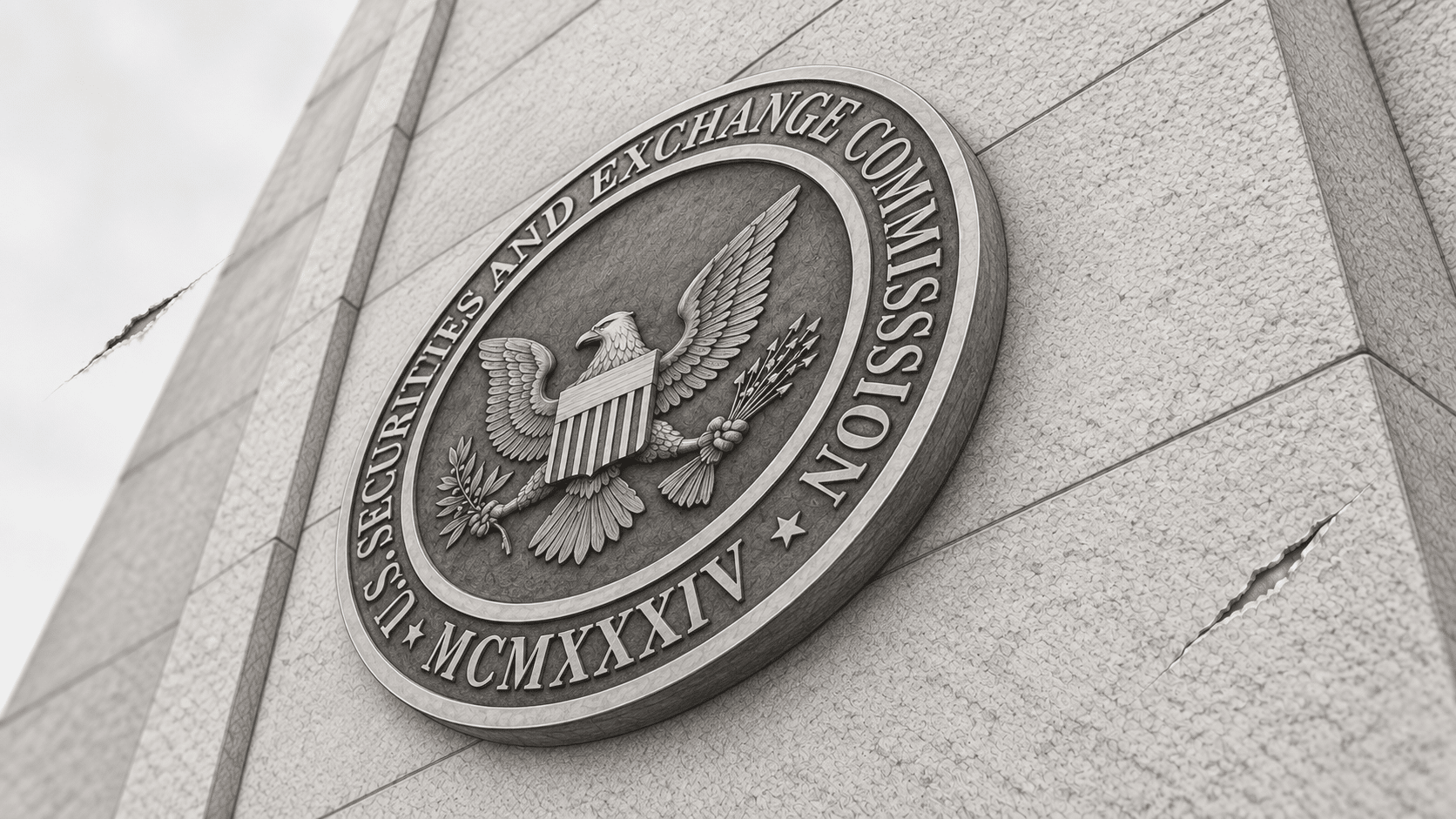
JPMorgan Chase has been fined $4 million by the U.S. Securities and Exchange Commission for the deletion of approximately 47 million emails. These emails included business documents that were being sought by subpoenas in...
Archive context
Older archive item. Useful for background and entity history, but not a fresh market-moving signal.

JPMorgan Chase has been fined $4 million by the U.S. Securities and Exchange Commission for the deletion of approximately 47 million emails. These emails included business documents that were being sought by subpoenas in at least twelve regulatory investigations.
The emails in question were sent between January 1st, 2018, and April 23rd, 2018, and were erased by JPMorgan’s broker-dealer subsidiary.
The SEC has stated that the deletion occurred when JPMorgan’s archiving vendor was attempting to troubleshoot an issue with emails that were supposed to have been deleted in 2016.
During the process, the vendor accidentally deleted emails from the first quarter of 2018, which resulted in a violation of the SEC’s regulatory retention requirements.
As a consequence, the SEC’s ability to conduct a series of securities-related investigations has been hindered due to the loss of these important documents.
“In at least twelve civil securities-related regulatory investigations, eight of which were conducted by the Commission staff, JPMorgan received subpoenas and document requests for communications which could not be retrieved or produced because they had been deleted permanently.”
JPMorgan Chase addresses massive sell-off stocksAccording to JPMorgan Chase analyst, Nikolaos Panigirtzoglou, the stock market could experience a significant outflow of capital amounting to billions of dollars due to the recent surge in prices since March.
Institutional investors are reportedly planning to rebalance their portfolios to meet their allocation targets.
These investors typically invest in various assets such as bonds, stocks, and real estate to diversify their holdings, and they adhere to strict mandates on asset allocation to limit their exposure to a particular asset class.
According to Panigirtzoglou, the recent surge in the stock market has caused institutions’ portfolios to exceed their thresholds, requiring them to move up to $150 billion in positions to invest in the contracting bond market.
“The last time we had such a gap with equities and bonds in opposite directions was in the fourth quarter of 2021.
This rebalancing flow could create around a 3% to 5% correction in equities.”
Why this matters
This cryptocurrency story adds another data point to the current market tape and is useful when read alongside nearby source coverage.
Original source
Read on CryptoGazetteRelated market context

Aave’s $50 million lending plan could lose money without a single default
Aave’s proposed institutional lending business would put crypto collateral on both sides of the financing chain. Institutions woul...

SEC changes token buyback guidance as spending hits $638M
The US Securities and Exchange Commission tightened its guidance for crypto token buybacks just three days after publishing it. On...

Pokemon Crypto Case: Collector Faces Trial Over $55 Million Hack
U.S. indictment alleges two Uranium Finance crypto exploits moved through Tornado Cash before being used to buy Pokemon cards and...
SEC Sues Four Firms Over Alleged $15 Million Crypto Scams Run Through WhatsApp Chats
The Securities and Exchange Commission charged four entities on Tuesday over two alleged schemes that used WhatsApp group chats an...

Bitcoin enters its best season after a 43% surge, with $147,000 suddenly on the math
Bitcoin is closing its strongest quarter since 2024 after leaving US stocks and gold far behind despite surging bond yields. The l...

Abracadabra blames hacks for shutdown amid ‘looting’ claims
Embattled DeFi project Abracadabra has proposed “an orderly wind down,” blaming a string of security incidents which leave its sta...