JPMorgan Chase Loses $1,100,000,000
According to a report by the Financial Times citing data from Bloomberg, the biggest banks in the United States are experiencing significant losses as borrowers fail to repay billions of dollars in loans. JPMorgan loses...
Archive context
Older archive item. Useful for background and entity history, but not a fresh market-moving signal.

According to a report by the Financial Times citing data from Bloomberg, the biggest banks in the United States are experiencing significant losses as borrowers fail to repay billions of dollars in loans.
JPMorgan loses over a billion dollarsJPMorgan Chase, Bank of America (BofA), Citigroup, Wells Fargo, Goldman Sachs, and Morgan Stanley have reportedly written off a total of $5 billion in loans during the second quarter of this year. These write-offs are believed to be a result of inflation and increased interest rates, which are negatively affecting consumers.
Banks have officially recognized major losses in the value of assets on their balance sheets through write-offs. The primary source of these multibillion-dollar write-offs, according to banking giants, is credit card debt.
JPMorgan Chase saw losses of $1.1 billion in bad credit card debt last quarter, which is an increase of over 66% compared to the previous year.
Meanwhile, BofA’s credit card loans account for around 25% of the lender’s unrecoverable debt.
The six banks are facing another issue with the struggling commercial real estate industry. As more and more workers are telecommuting for several days a week, there has been a noticeable decrease in demand.
Other important financial newsThe Consumer Financial Protection Bureau (CFPB) and Office of the Comptroller of the Currency (OCC) found that Bank of America imposed hidden fees, withheld credit card rewards, and opened fraudulent accounts over a period of several years.
Specifically, the bank is being fined for “systematically double-dipping on fees imposed on customers with insufficient funds in their account, withholding reward bonuses explicitly promised to credit card customers, and misappropriating sensitive personal information to open accounts without customer knowledge or authorization.”
Account holders affected by the bank’s illegal practices will receive a direct payment of $100 million, while the bank will pay $90 million in penalties to the CFPB and $60 million in penalties to the OCC.
Why this matters
This cryptocurrency story adds another data point to the current market tape and is useful when read alongside nearby source coverage.
Original source
Read on CryptoGazetteRelated market context
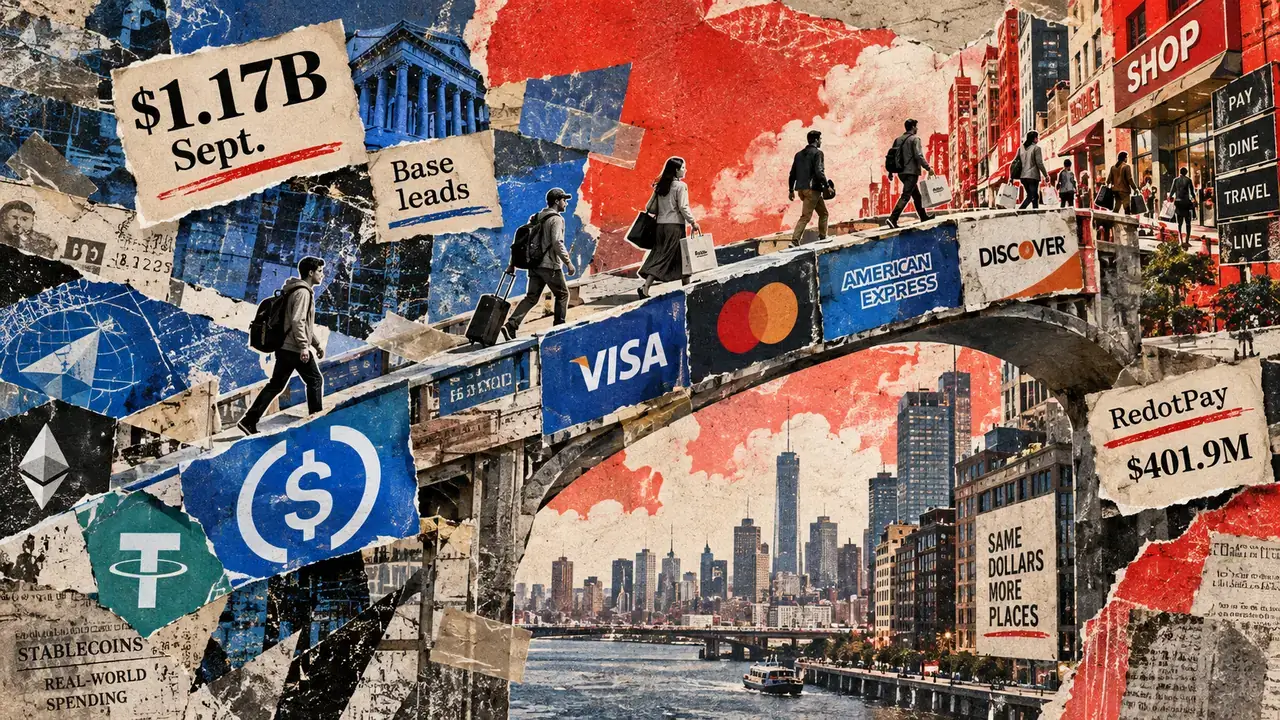
Stablecoin cards enter ‘hyper growth’ mode as monthly spending hits record $1.17 billion
Stablecoin card spending is accelerating to record levels, but the payment rail remains a fraction of the traditional card market....

Sentora split 50% Aave revenue, but suppliers absorb all losses
Aave DAO would own the contracts for a proposed Ethereum lending market, but Sentora would make the day-to-day decisions that shap...

Bitcoin enters its best season after a 43% surge, with $147,000 suddenly on the math
Bitcoin is closing its strongest quarter since 2024 after leaving US stocks and gold far behind despite surging bond yields. The l...

Open USD Stablecoin Goes Live as Stripe, Visa and Mastercard Open It to Businesses
Open USD (OUSD), the dollar stablecoin backed by Coinbase, Mastercard, Shopify, Stripe and Visa, went live on Wednesday, its opera...

XRP News: Brazil $4T Financial Infrastructure Expands Onto XRPL
CSD BR, a Brazilian financial-market infrastructure operator overseeing more than 22 trillion reais in registered assets, has been...
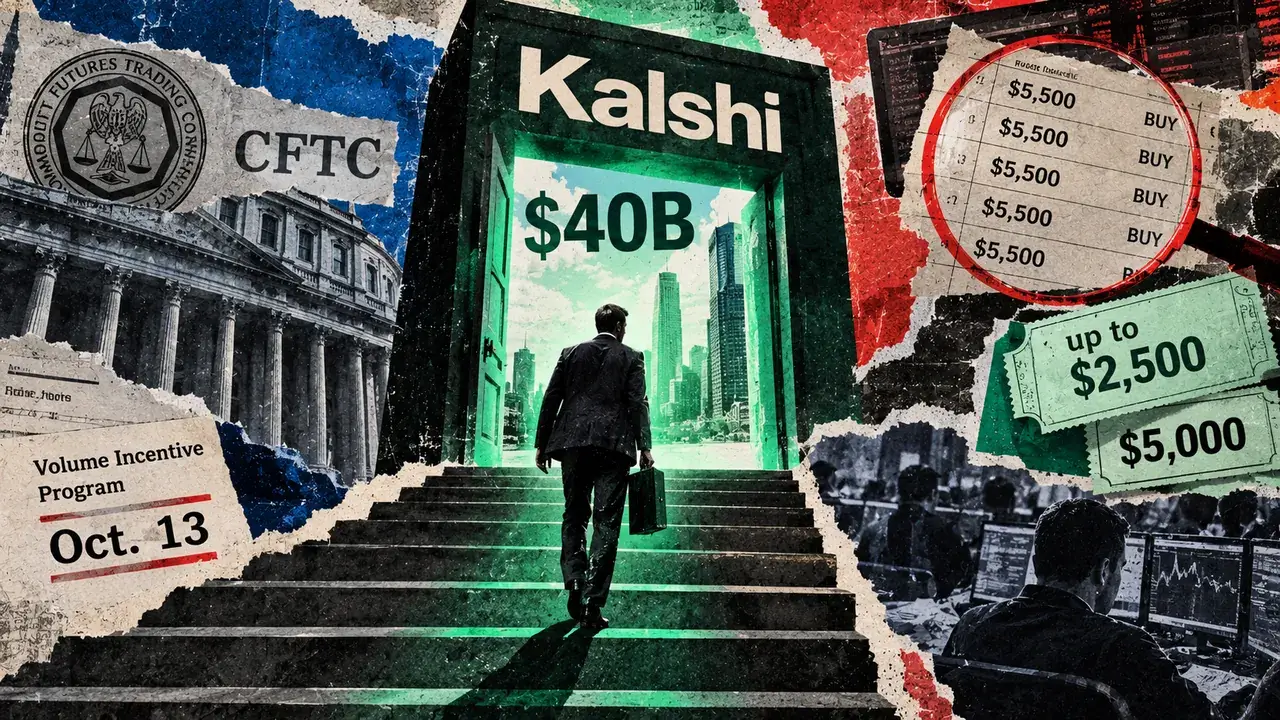
Kalshi’s $40 billion growth story hits tough questions about its trading volume
Kalshi is ending a trader-volume incentive program nearly a year early as scrutiny of activity in its crypto markets intensifies....