JPMorgan’s Dimon Says Stablecoins Are ‘Real’ But Questions Their Use Case
Key Takeaways: Jamie Dimon said JPMorgan is exploring stablecoins to better understand their role in payments. The bank launched a USD deposit token and underwrote Circle’s IPO. Global regulators are calling for consiste...
Archive context
Older archive item. Useful for background and entity history, but not a fresh market-moving signal.
Key Takeaways:
- Jamie Dimon said JPMorgan is exploring stablecoins to better understand their role in payments.
- The bank launched a USD deposit token and underwrote Circle’s IPO.
- Global regulators are calling for consistent stablecoin rules as cross-border use expands.
JPMorgan CEO Jamie Dimon said the bank will continue exploring stablecoins and deposit tokens to deepen its understanding of digital payments, even as he questioned their practical advantages.
According to a report by MarketWatch, Dimon‘s statement was made during the company’s post-earnings call with analysts on Tuesday, covering several topics, including stablecoins.
Stablecoins and Traditional Finance“We’re going to be involved in both JPMorgan deposit coin and stablecoins to understand it, to be good at it,” Dimon said. “We don’t know exactly—I think they’re real, but I don’t know why you’d want a stablecoin as opposed to just payment.”
In June, JPMorgan launched JPMD, a U.S. dollar deposit token designed for institutional clients to make payments on public blockchains. Dimon said the bank’s involvement reflects a need to stay informed as fintech companies continue pushing into the stablecoin sector.
He admitted that these firms are “very smart,” adding that they’re looking for ways to create bank accounts and get into payment systems and rewards programs.
“We have to be cognizant of that,” Dimon said, according to an AlphaSense transcript. “The way to be cognizant is to be involved. So, we’re going to be in it and learning a lot, and [a] player.”
The bank was a lead underwriter for the June IPO of Circle Internet Group, a major stablecoin issuer. Circle’s stock has climbed more than 500% since its $31 offering price, and the company recently filed to become a digital-currency trust bank.
Crypto Week for Digital Asset RegulationDimon’s comments come as the U.S. House of Representatives moves forward with several crypto-focused bills during what industry observers have labeled “Crypto Week,” including the GENIUS Act focused on stablecoins.
Crypto week’s developments could reset how U.S. approaches crypto regulation—from compliance and custody to digital dollars. #genius #cryptohttps://t.co/z5HeNKVNjU
— Cryptonews.com (@cryptonews) July 14, 2025Regulators worldwide are working to unify standards for digital tokens used in payments. Groups like the Financial Stability Board and the IMF have urged clearer rules for stablecoins to prevent risks from fragmented oversight and rising adoption.
Outside the U.S., banks and fintechs in Asia and Latin America are launching stablecoins tied to local currencies. These efforts seek to improve payment flows, especially across borders, and may shape new payment models even before their long-term role is fully defined.
Frequently Asked Questions (FAQs)Could JPMorgan’s stablecoin activity influence other major banks?While JPMorgan remains cautious, its active development of payment tokens may pressure peer institutions to explore similar tools to remain competitive in institutional settlement and global treasury operations.
Is there a risk of regulatory overlap between stablecoins and deposit tokens?Yes. Deposit tokens and stablecoins may fall under different legal definitions depending on issuer type, backing, and use case. Without clear delineation, compliance burdens could increase for institutions operating both.
What infrastructure challenges exist for integrating stablecoins into traditional banking?Stablecoin use on public blockchains raises concerns around KYC, AML compliance, and transaction finality. Banks will need scalable monitoring tools and secure bridges between legacy systems and digital asset networks.
Why are stablecoins gaining traction outside the U.S.?In regions with less reliable banking access or volatile local currencies, stablecoins offer quicker and cheaper remittance and settlement tools. These practical uses are driving real-world adoption despite unclear regulation.
The post JPMorgan’s Dimon Says Stablecoins Are ‘Real’ But Questions Their Use Case appeared first on Cryptonews.
Why this matters
This cryptocurrency story adds another data point to the current market tape and is useful when read alongside nearby source coverage.
Original source
Read on CryptonewsRelated market context

Bank of England says it will be ‘the banker to the stablecoin’
The Bank of England's support for stablecoins could enhance financial stability and innovation, influencing global regulatory appr...

Coinbase and Gennius plan ONED USD stablecoin access through Latin American banks
Coinbase's partnership with Gennius could reshape Latin American banking by integrating stablecoins, enhancing financial inclusion...

South Korea’s Jeonbuk Bank Lends Won Against Bitcoin, Using Court Sales for Defaults
Jeonbuk Bank, a regional South Korean lender, has extended a corporate loan in won secured by Bitcoin, under a setup in which the...
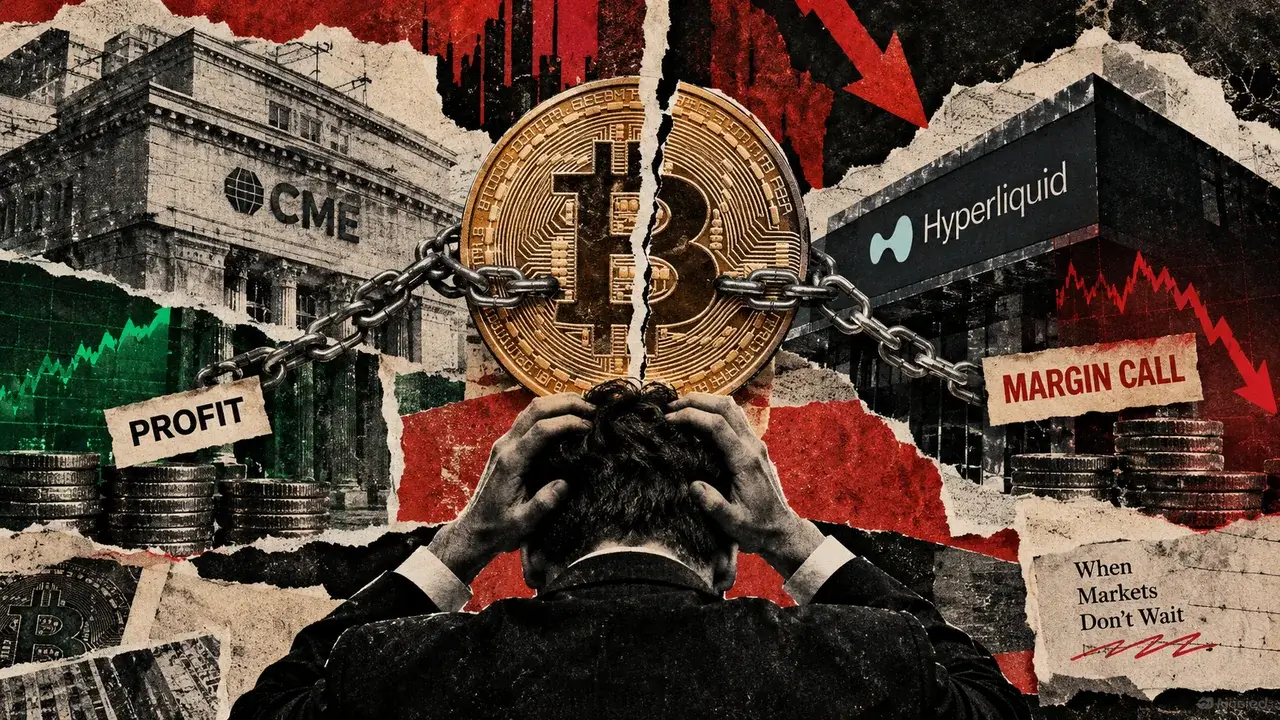
Bitcoin hedge funds face a liquidation trap when their collateral is split across markets
Here's a hypothetical situation: a hedge fund is making money, but one of its exchanges is about to liquidate its position anyway....

Stealing $1.5B in crypto is easy, cashing out is the trap
North Korean hackers stole around $1.5 billion from Bybit in February 2025. While the hack itself has been widely covered and anal...

Can Gold Rewards Solve the Stablecoin Distribution Problem? XASH Thinks So
If you already pay for this, I especially want your answer. We’re deciding what Unchained does next; new shows, stream times, and...