Kakaopay Stock Plunges 17% as Korean Exchange Suspends Trading Over Stablecoin Exposure
South Korean fintech giant KakaoPay crashed 17% on June 27 as trading resumed after the Korea Exchange suspended the stock for the second time in a week due to rising skepticism about won-pegged stablecoin.According to B...
Archive context
Older archive item. Useful for background and entity history, but not a fresh market-moving signal.

South Korean fintech giant KakaoPay crashed 17% on June 27 as trading resumed after the Korea Exchange suspended the stock for the second time in a week due to rising skepticism about won-pegged stablecoin.
According to Bloomberg, the exchange designated Kakaopay as an “investment risk” due to extreme volatility, but the underlying cause runs much deeper than simple market mechanics.
Over the past month, shares had tripled in value as markets bet heavily on South Korea’s evolving digital asset regulations, which created an opportunity window for established payment companies.
Source: YahooFinanceThe dramatic selloff resulted from the growing tension between market enthusiasm for stablecoin opportunities and mounting regulatory concerns about the risks to financial stability.
Stablecoin Fever Grips Korean MarketsThe excitement began earlier this month when South Korea’s Democratic Party proposed legislation that would allow local companies to issue won-pegged stablecoins.
South Korea’s Democratic Party launches a Digital Asset Committee, aiming to put crypto regulation under the next president’s control.#southkorea #regulationhttps://t.co/p8xJDmqFoZ
— Cryptonews.com (@cryptonews) May 13, 2025Kakaopay recently filed 18 trademark applications related to digital currency services. The filing created widespread speculation that the company was positioning itself to become a major player in South Korea’s anticipated won-pegged stablecoin market.
The company joins a growing list of Korean financial institutions racing to secure stablecoin-related intellectual property, including KB Kookmin Bank, Hana Bank, and internet-only Kakao Bank.
This broader crypto-linked stock rally swept across multiple companies, with KakaoBank touching three-year highs before regulatory warnings triggered sharp reversals.
Source: YahooFinanceEven game developer Nexus joined the rush, registering a won-based stablecoin called “KRWx” on the Binance blockchain while filing corresponding trademark applications.
However, Thursday’s sharp correction has halted the trend, and companies are now taking their steps cautiously.
Regulatory Reality Check Decreases OptimismBank of Korea Governor Lee Chang-yong dampened investor enthusiasm by warning about the risks associated with won-pegged stablecoins.
The Bank of Korea, South Korea’s central bank, is still lukewarm on proposals to launch a won stablecoin despite a recent meeting with the USD Coin (USDC) issuer Circle.#SouthKorea #Stablecoins #USDChttps://t.co/qPwbqgvtFg
— Cryptonews.com (@cryptonews) June 19, 2025The central bank governor warned that domestic stablecoins could paradoxically increase demand for dollar-denominated alternatives, complicating foreign exchange operations.
The Bank for International Settlements separately questioned whether stablecoins can truly replace traditional money, calling their future role “unclear” despite the rapid growth of the sector.
South Korea’s regulators are not isolated from these challenges. It is a global tension that policymakers worldwide are grappling with, as they are actively exploring ways to create a sustainable oversight framework for stablecoins.
While Hong Kong recently passed comprehensive stablecoin legislation and the U.S. Senate approved the GENIUS Act, implementation challenges and cross-border coordination remain significant hurdles.
Yet institutional adoption continues accelerating despite regulatory uncertainty, with Chainlink recently partnering with Mastercard to bring stablecoin infrastructure to over 3 billion users globally.
@Shopify launches USDC stablecoin payments for millions of merchants across 34 countries through @coinbase and @stripe, offering sub-penny transaction fees as crypto goes mainstream.#Base #Stripe #Shopifyhttps://t.co/MwBphsiZ2y
— Cryptonews.com (@cryptonews) June 13, 2025Shopify has also recently integrated with Coinbase Payments, enabling millions of merchants to accept stablecoins directly. Meanwhile, tech giants like Meta are also reportedly exploring the integration of stablecoins on their platforms.
The post Kakaopay Stock Plunges 17% as Korean Exchange Suspends Trading Over Stablecoin Exposure appeared first on Cryptonews.
Why this matters
This cryptocurrency story adds another data point to the current market tape and is useful when read alongside nearby source coverage.
Original source
Read on CryptonewsRelated market context

South Korea’s Jeonbuk Bank Lends Won Against Bitcoin, Using Court Sales for Defaults
Jeonbuk Bank, a regional South Korean lender, has extended a corporate loan in won secured by Bitcoin, under a setup in which the...
South Korean bank launches Bitcoin-backed business loans: Report
Jeonbuk Bank reportedly began offering Bitcoin-backed loans to corporate customers, with a third-party custodian holding the crypt...

Jeonbuk Bank launches South Korea’s first Bitcoin-backed loans for corporate clients
Jeonbuk Bank's Bitcoin-backed loans could catalyze broader crypto adoption in South Korea, influencing regulatory and financial la...

Crypto Exchange Bybit Moves From Stock CFDs to Real US Shares
Bybit opened trading in more than 1,000 US-listed stocks and exchange-traded funds today (Monday), with purchases paid in the USDC...

Bank of England says it will be ‘the banker to the stablecoin’
The Bank of England's support for stablecoins could enhance financial stability and innovation, influencing global regulatory appr...
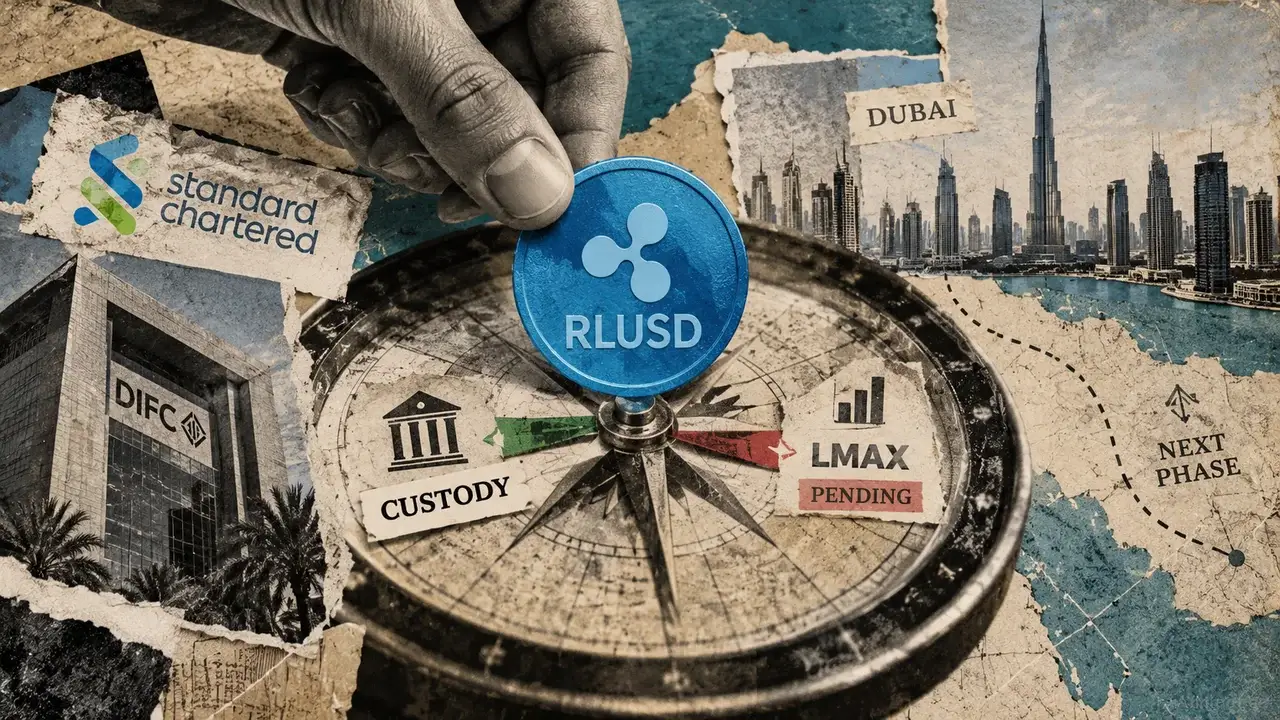
Standard Chartered brings Ripple’s RLUSD into banking custody after $765 million quarterly surge
Standard Chartered has launched custody for Ripple's RLUSD stablecoin as it prepares to expand its use as collateral for instituti...