Kentucky Attorney General Sues Polymarket And Kalshi Over Sports Betting Claims
Kentucky Attorney General Sues Polymarket And Kalshi Over Sports Betting Claims TL;DR Kentucky Attorney General Russell Coleman has escalated the state’s fight with prediction market operators. The lawsuits target platfo...
Watchlist
Archive context. The story has cross-source confirmation.

Kentucky Attorney General Sues Polymarket And Kalshi Over Sports Betting Claims
TL;DR- Kentucky Attorney General Russell Coleman has escalated the state’s fight with prediction market operators.
- The lawsuits target platforms including Kalshi and Polymarket, with allegations focused on sports-related event contracts.
- The state argues the products function like unlicensed sportsbooks rather than ordinary financial contracts.
- The dispute adds another state-level challenge to a market already arguing over federal preemption and CFTC oversight.
Kentucky Attorney General Russell Coleman has filed lawsuits against prediction market operators including Kalshi and Polymarket, alleging that sports-related event contracts amount to unlicensed sports wagering under state law. The action adds a fresh state-level front to one of the most important regulatory fights in the prediction market business.
The basic dispute is simple, but legally messy. Prediction market firms argue that event contracts fall under federal commodities regulation and should not be treated the same way as state-licensed sportsbooks. Kentucky is taking the opposite position, saying the sports products being offered to users look and function like betting markets, regardless of the label attached to them.
Event Contracts Or Sportsbooks?The state’s argument focuses on whether users are effectively wagering on sports outcomes through products presented as prediction contracts. If a platform lets customers buy and sell contracts tied to game results, player outcomes or tournament events, state regulators may view that activity as sports betting even if the platform frames it as a market for information or risk transfer.
That classification matters because state sports-betting regimes usually come with licensing requirements, tax obligations, age controls and consumer-protection rules. Prediction market operators have leaned on federal oversight and the structure of event contracts to argue that a separate state-by-state sportsbook model should not apply.
Why Crypto Is In The FramePolymarket’s role makes this a crypto story, but the issue is broader than one blockchain-based venue. The wider prediction market sector has grown quickly because it can offer highly liquid, real-time pricing on political, economic, sports and cultural outcomes. That growth has brought platforms into closer contact with gaming regulators, especially when sports markets dominate volume.
Coinbase’s presence in the broader reporting around the legal action also underlines how payment rails and platform partnerships can become part of the regulatory map. Even companies that are not themselves offering the prediction contract may face questions if they are seen as helping users fund or access the activity.
A Fight That Could Shape The SectorThe Kentucky cases arrive as prediction markets are already arguing over federal preemption, CFTC jurisdiction and the boundary between financial contracts and gambling products. A state win would strengthen the case for local regulators to treat sports event contracts as betting. A platform win would support the industry’s argument that federally regulated event markets should not be broken apart by state gaming law.
For crypto and fintech firms, the practical lesson is familiar: product design alone rarely settles a regulatory question. If users experience a market as a wager, states may try to regulate it as one. That leaves prediction markets with a difficult task — proving that their contracts are not just sportsbooks with a different interface.
This article was written by the News Desk and edited by Samuel Rae.
This report is based on information from the Kentucky Attorney General’s Office. at Kentucky Attorney General’s Office
Why this matters
Polymarket is showing up inside the Regulation theme, so this story is worth tracking for follow-through rather than treating it as a one-off headline.
Original source
Read on NewsBTCRelated market context
CFTC proposes a divide between prediction contracts and sportsbook wagers
The Commodity Futures Trading Commission announced two actions on Oct. 9 seeking to clarify the federal regulatory boundary betwee...

Kalshi Reviews Three Sub-$100 Bets That Called Trump’s Press Secretary Pick Early
None of the three wagers topped $100, but each backed Katie Zacharia for White House press secretary before her selection was repo...

Coinbase fine-tunes Qwen3.5-9B model for fraud prevention, beating frontier models
Coinbase's success with a tailored AI model highlights the potential for specialized, cost-effective solutions in fraud prevention...

Kalshi brings election betting odds to CBS News as most Americans object
The integration of election betting odds into mainstream media may challenge traditional polling credibility and face public resis...
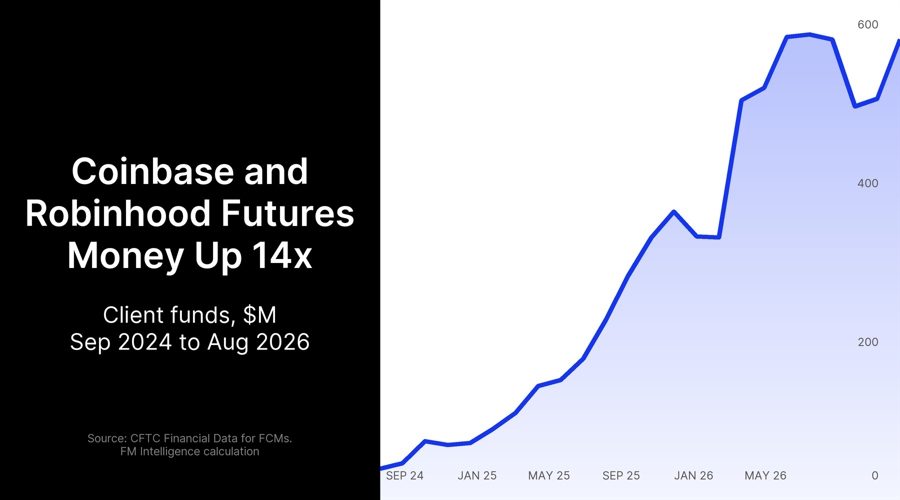
Coinbase and Robinhood Futures Arms Now Hold More Client Money Than the US Retail Forex Pool
The futures brokers of Coinbase and Robinhood held $581.4 million of segregated client money at the end of August. That is more th...
Polymarket Gives Dems 62% Midterm Sweep Odds, CLARITY Act in Jeopardy
Prediction markets are flashing warning signs for the cryptocurrency industry ahead of the Nov. 3 midterms. Polymarket gives Democ...