Kima joins Mastercard sandbox to enable stablecoin card top-ups
Decentralized settlement protocol Kima has integrated into Mastercard’s sandbox program, enabling stablecoin-powered top-ups for prepaid cards directly from self-custody wallets.According to an announcement shared with C...
Archive context
Older archive item. Useful for background and entity history, but not a fresh market-moving signal.
Decentralized settlement protocol Kima has integrated into Mastercard’s sandbox program, enabling stablecoin-powered top-ups for prepaid cards directly from self-custody wallets.
According to an announcement shared with Cointelegraph, Mastercard partners can now rely on Kima’s settlement infrastructure to enable their prepaid cards to be topped up with stablecoins, including USDC (USDC) and Tether’s USDt (USDT), from self-custody wallets across more than 10 blockchains.
Kima CEO Eitan Katz said the integration shows that stablecoins can be practical for everyday use, removing friction and intermediaries from crypto-to-fiat conversions while expanding crypto usability.
“Our goal at Kima is to eliminate barriers between digital assets and traditional finance,” Katz said.
Related: Mastercard tokenized 30% of its transactions in 2024
Infrastructure designed for interoperabilityKatz described Kima’s settlement system as asset-agnostic and designed to simplify cross-ecosystem payments, supporting public blockchains, private ledgers and traditional banking rails:
“Kima’s asset-agnostic settlement layer is designed to abstract the complexity of transferring value across disparate ecosystems, whether that’s public blockchains, private ledgers, or even traditional banking systems.”According to the announcement, Kima’s infrastructure is aligned with Mastercard’s aim to bring stablecoins into mainstream financial usage. Katz rejects the Bitcoin and crypto hardliner vision of digital assets being contraposed to fiat currency, claiming that “crypto and fiat must coexist seamlessly to reach their full potential.”
Katz explained that Kima’s solution allows easy crosschain interoperability and eliminates reliance on intermediaries, custodians or complex smart contracts. This, in turn, reportedly enhances security and efficiency for all parties involved.
Related: Mastercard links with Circle, Paxos for merchant stablecoin payments
ECB includes Kima in digital euro initiativeEarlier in May, the European Central Bank (ECB) included Kima in a list of 70 private sector partners tasked with helping in digital euro innovation. The firms on the list have signed up to work with the ECB to explore digital euro payment functionalities and use cases.
“The breadth and creativity of the proposals highlights the digital euro’s potential as a catalyst for financial innovation in Europe,” ECB executive board member Piero Cipollone said at the time.
Source: KimaDespite Kima’s institutional partnerships, Katz told Cointelegraph that “compliance shouldn’t mean giving up control of your funds or your data.” He said that know-your-client and Anti-Money Laundering checks are handled by third-party banks and virtual asset service providers at onboarding, and Kima never has access to the data.
Katz added that “once a user is cleared, every transaction carries immutable metadata tags that our protocol-level engine checks against local rules.” This, he said, covers compliance “from the European Union’s Markets in Crypto-Assets Regulation to Singapore’s regulatory guidelines — before settlement.”
Katz said that “keys are kept entirely under the users’ control,” while cryptographic proofs still allow for compliance.
“Institutions get a plug-and-play control layer and users enjoy true self-custody,” Katz added.
Magazine: Crypto wanted to overthrow banks, now it’s becoming them in stablecoin fight
Why this matters
This cryptocurrency story adds another data point to the current market tape and is useful when read alongside nearby source coverage.
Original source
Read on CointelegraphRelated market context
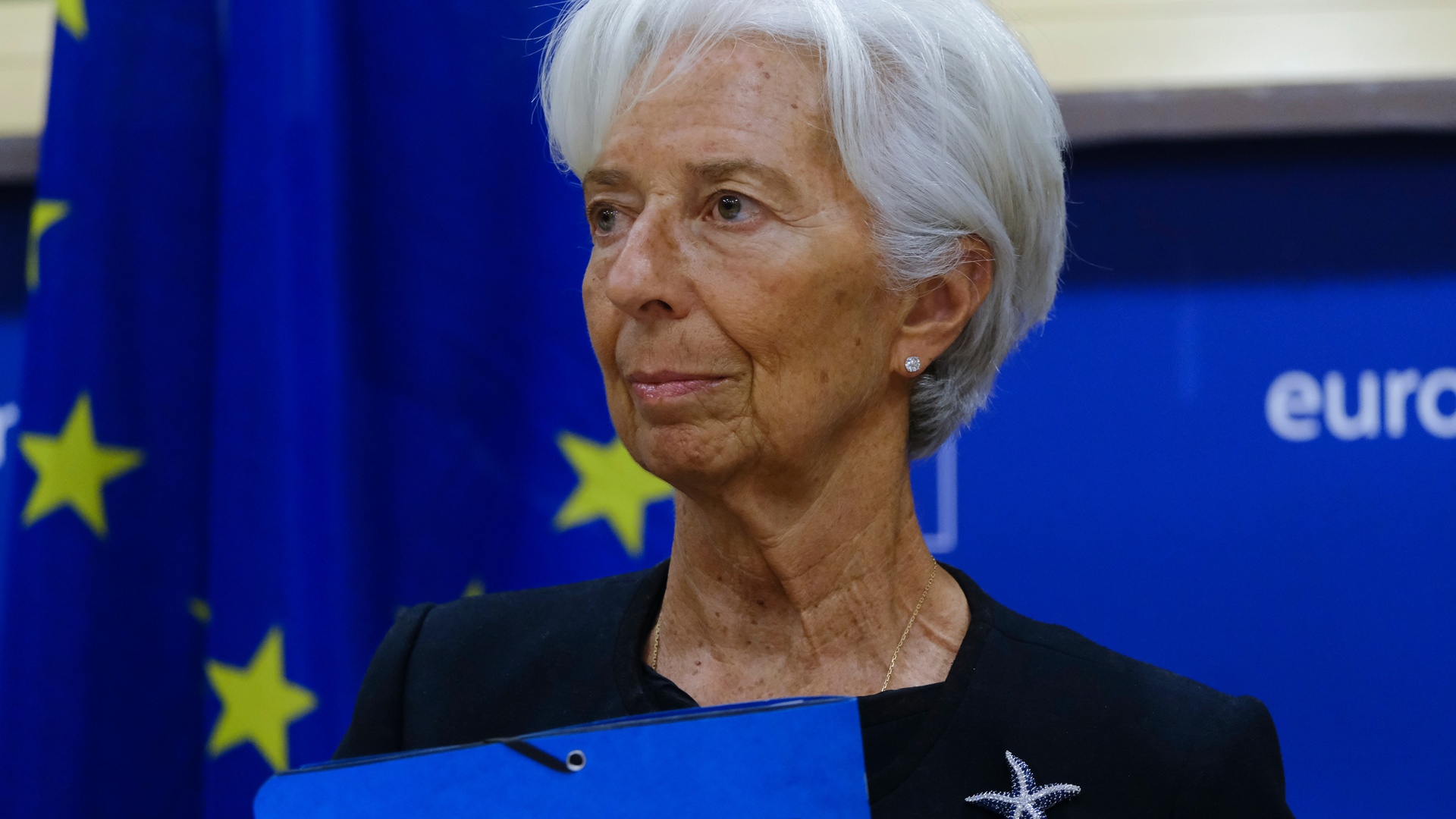
European Central Bank President Blocked Binance’s EU Entry: Report
Bitcoin Magazine European Central Bank President Blocked Binance’s EU Entry: Report European Central Bank President Christine Laga...

S&P Global to Acquire OpenZeppelin in Crypto Infrastructure Expanding Effort
Key Takeaways: S&P Global has agreed to acquire OpenZeppelin to boost its crypto and onchain risk capabilities. Over $37 trillion...

Coinbase And Stablecore Open Digital Asset Rails To 3,000+ Banks And Credit Unions
TL;DR Coinbase is partnering with Stablecore to bring crypto services into existing bank technology. Stablecore’s infrastructure r...

SBI, Kyobo Complete Japan-Korea Stablecoin Test With No Dollar Leg
SBI Digital Practice and Kyobo Life completed a cross-border pilot that directly converted yen-linked test tokens into won-linked...

Column integrates USDC and USDT into core banking infrastructure for fintechs
Column's integration of stablecoins into its banking infrastructure could accelerate fintech innovation and stablecoin adoption gl...

BitGo Bank & Trust powers TOYOSA’s stablecoin payments for Toyota vehicles in Bolivia
The integration of stablecoin payments in Bolivia's auto market highlights a shift towards digital currencies as solutions to econ...