Korean Crypto Market Loses $24B in Six Months as Trading Volume Collapses – What’s Going on?
South Korean crypto market has shed approximately $24 billion in six months, with domestic crypto holdings plummeting from KRW 121.8 trillion to KRW 89.2 trillion between January and June 2025, according to the Bank of K...
Archive context
Older archive item. Useful for background and entity history, but not a fresh market-moving signal.

South Korean crypto market has shed approximately $24 billion in six months, with domestic crypto holdings plummeting from KRW 121.8 trillion to KRW 89.2 trillion between January and June 2025, according to the Bank of Korea’s latest Financial Stability Report.
The massive outflow coincided with a dramatic collapse in trading activity, as daily volumes crashed from KRW 17.1 trillion in December 2024 to just KRW 3.2 trillion by June.
Source: BOKActive Withdrawal Despite Bitcoin Price GainsThe decline occurred despite Bitcoin’s price appreciation during the same period, indicating retail investors were actively withdrawing from crypto markets rather than experiencing passive losses.
Exchange deposits fell from KRW 10.7 trillion to KRW 6.2 trillion, confirming widespread fund outflows.
Korean retail investors shifted focus from crypto to domestic equities, which outperformed overseas markets amid a strengthening won currency.
The pivot was particularly pronounced in U.S. tech stocks, with monthly purchases dropping from $1.68 billion between January and April to just $260 million by July.
However, South Korean authorities are simultaneously accelerating pro-crypto policies, with President Lee Jae-myung designating digital asset ecosystem development as a “key national task.”
The Democratic Party also launched a crypto policy task force this month, promising legislation before the end of the year to foster industry growth.
Mass Exodus From Crypto to Traditional AssetsThe Bank of Korea attributed the decline in the crypto market partly to Korean investors’ strategic pivot toward domestic equities during a period of relative outperformance.
Local stock markets provided attractive alternatives as global uncertainty around U.S. tariff policies created volatility in overseas investments.
Korean retail investors demonstrated particular disillusionment with Tesla, selling a net $657 million in August alone as the electric vehicle maker lost its compelling narrative.
Instead, crypto-related stocks, such as Bitmine Immersion Technologies, attracted $253 million in net inflows.
Daily trading volumes on domestic crypto exchanges experienced an unprecedented decline of over 80% from their peak levels.
The decline affected stablecoin trading growth, which had been expanding steadily before slowing during the withdrawal period.
Despite the domestic downturn, global crypto markets reached a total capitalization of $4.2 trillion by September, representing 3.2% of the worldwide stock market value.
Source: CoinGeckoInstitutional adoption and legislative progress, including the passage of the U.S. GENIUS Act, supported the growth of the international crypto market.
Korean crypto investors maintained significant positions despite the outflows, with over 10,000 residents holding assets exceeding 1 billion won ($750,000).
The nation’s 10.86 million active trading accounts represent roughly 20% of the total population.
Source: YNAIn fact, survey data revealed that 51% of South Koreans aged 20-59 have experience with crypto trading, with 27% currently holding digital assets, averaging 13 million won ($9,547) per investor.
Early adopters typically began with Bitcoin before diversifying into altcoins and stablecoins, with 60% starting during the 2020 bull run.
Government Pushes Pro-Crypto Agenda Despite Market DeclinePresident Lee Jae-myung’s administration has launched comprehensive crypto-friendly reforms, reclassifying trading firms as “venture companies” to grant them access to tax incentives and state-backed financing that was previously denied since 2018.
The Ministry of SMEs and Startups proposed amendments to include Virtual Asset Service Providers under the category of venture companies.
Financial regulators lifted restrictions on institutional crypto investments while preparing approval frameworks for Korea’s first spot crypto ETFs.
South Korea is moving to reclassify crypto firms as “venture companies,” which would grant access to government subsidies.#SouthKorea #Cryptohttps://t.co/FucfcydMDq
— Cryptonews.com (@cryptonews) July 9, 2025The Financial Services Commission also presented implementation measures scheduled for late 2025, alongside regulatory frameworks for won-based stablecoins.
Major banks established dedicated crypto teams in anticipation of legislative approval.
Woori Bank launched a nine-member Digital Asset Team, while Kookmin Bank created a Digital Asset Response Council covering KB Financial Group affiliates.
Similarly, Shinhan Bank formed a 20-employee crypto task force as institutions prepare rapid market entry strategies.
Local governments simultaneously intensified crypto tax collection efforts.
According to a recent Cryptonews report, Cheongju City has seized tokens from 203 residents since 2021 for unpaid taxes and has opened its own trading account to directly liquidate confiscated assets.
The city collected 1.5 billion won ($1.1 million) from 161 tax evaders through crypto seizures.
The Democratic Party’s crypto policy task force pledged to streamline regulations away from operator restrictions toward industry fostering.
Task force leaders plan consultations with regulators, the Bank of Korea, and private sector experts to develop comprehensive digital asset legislation.
The post Korean Crypto Market Loses $24B in Six Months as Trading Volume Collapses – What’s Going on? appeared first on Cryptonews.
Why this matters
This cryptocurrency story adds another data point to the current market tape and is useful when read alongside nearby source coverage.
Original source
Read on CryptonewsRelated market context

Securitize partners with LG CNS to advance tokenized assets in South Korea
The partnership could accelerate South Korea's financial innovation, potentially reshaping its asset management landscape and regu...

Ripple Eyes Türkiye’s $200B Crypto Market as RLUSD and Bank Custody Gain Ground
Key Takeaways: Retail trading is estimated to have reached approximately $40 billion in early 2026 and crypto transaction volume h...
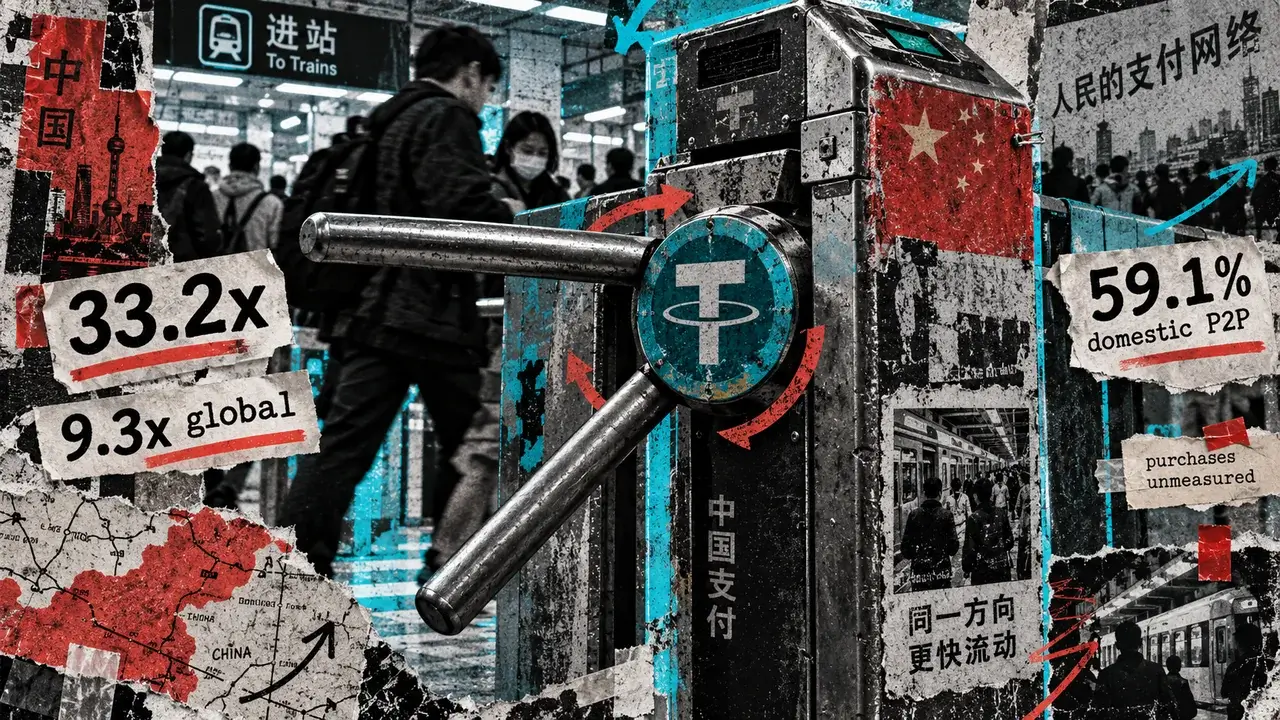
China’s crypto ban Is failing to stop a $176 billion P2P economy
China’s underground crypto economy is increasingly shifting toward peer-to-peer stablecoin payments despite Beijing’s longstanding...

Ripple and Circle backs OKX as it targets the next wave of stablecoin users
OKX brought Circle, Ripple and Standard Chartered’s venture arm onto its cap table as the crypto exchange broadens its push into s...
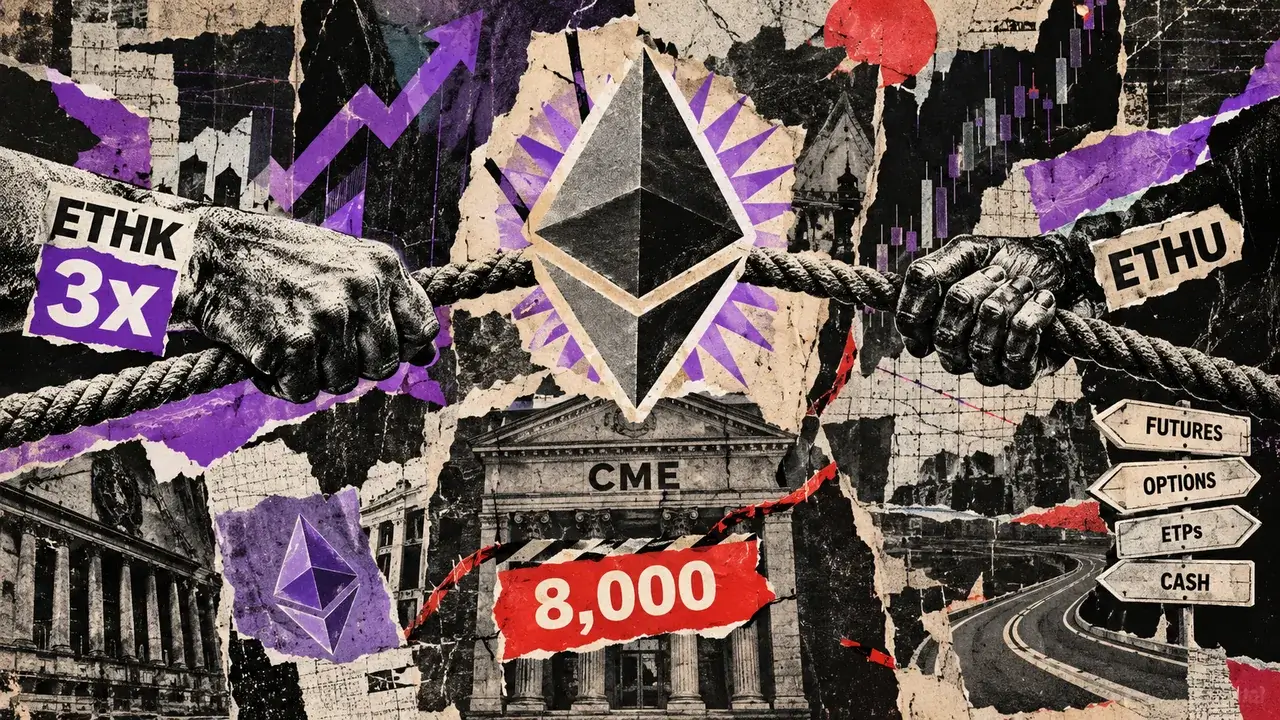
Ethereum’s proposed 3x ETF could reach CME’s futures threshold with just $362 million
At ETHU's Oct. 6 disclosed futures valuation, a 3x Ethereum ETF with $362.1 million in assets would target about $1.09 billion of...

Apple Cash’s Banking Partner Tightens ID Rules, Keeps Crypto Ban
As the market watches for clues about Apple’s potential crypto asset moves, the company’s banking partner is tightening its identi...