Kraken Gains MiCA Licence from Ireland as Euro-Denominated Crypto Trading Doubles
Kraken has become the first cryptocurrency exchange to receive a Markets in Crypto-Assets Regulation (MiCA) licence from the Central Bank of Ireland. Its European presence has strengthened following a sharp rise in euro-...
Archive context
Older archive item. Useful for background and entity history, but not a fresh market-moving signal.

Kraken has become the first cryptocurrency exchange to receive a Markets in Crypto-Assets Regulation (MiCA) licence from the Central Bank of Ireland. Its European presence has strengthened following a sharp rise in euro-denominated spot trading, which now accounts for 17.5 per cent of its total volume.
The Rush to Gain a MiCA Licence
“Being the first major global crypto platform to receive authorisation from the CBI affirms Kraken’s commitment to building for the long term,” said Arjun Sethi, co-CEO of Kraken.
“Over the past several years, our team has worked tirelessly to meet the CBI’s gold-standard regulatory expectations,” he explained.
Kraken is among several exchanges to receive a MiCA licence after the European bloc made the regulations mandatory last year. Other major players include Crypto.com and OKX, which received theirs from Malta, while Coinbase and Bitstamp were approved by Luxembourg’s regulator. Notably, Europe-based Bitpanda secured MiCA licences from three countries, including its home country, Austria.
Although a single EU national authority grants the MiCA licence, it allows the holder to “passport” services across all 30 EEA states.
Larger platforms such as Binance and Gemini have confirmed their applications are underway, but no licence has been granted yet.
Rad more: MiCA's Impact Reaches Beyond Regulated Firms
Kraken’s Expanding Footprint
Before receiving the MiCA licence, Kraken already held Virtual Asset Service Provider (VASP) registrations in Ireland, Belgium, France, Italy, the Netherlands, Poland and Spain. It also obtained an electronic money licence from the Irish regulator last year.
However, Kraken is not only focused on the European spot markets. The exchange acquired a Cyprus-based contracts for differences (CFDs) broker to secure a Markets in Financial Instruments Directive (MiFID II) licence. Last month, it began offering crypto derivatives, including perpetual and fixed-maturity contracts, under the MiFID licence.
Kraken is one of the oldest crypto exchanges still in operation. It is now expanding into traditional finance. The exchange bought US-based futures trading platform NinjaTrader in a $1.5 billion deal and recently announced plans to launch tokenised stocks.
This article was written by Arnab Shome at www.financemagnates.com.Why this matters
This cryptocurrency story adds another data point to the current market tape and is useful when read alongside nearby source coverage.
Original source
Read on Finance MagnatesRelated market context
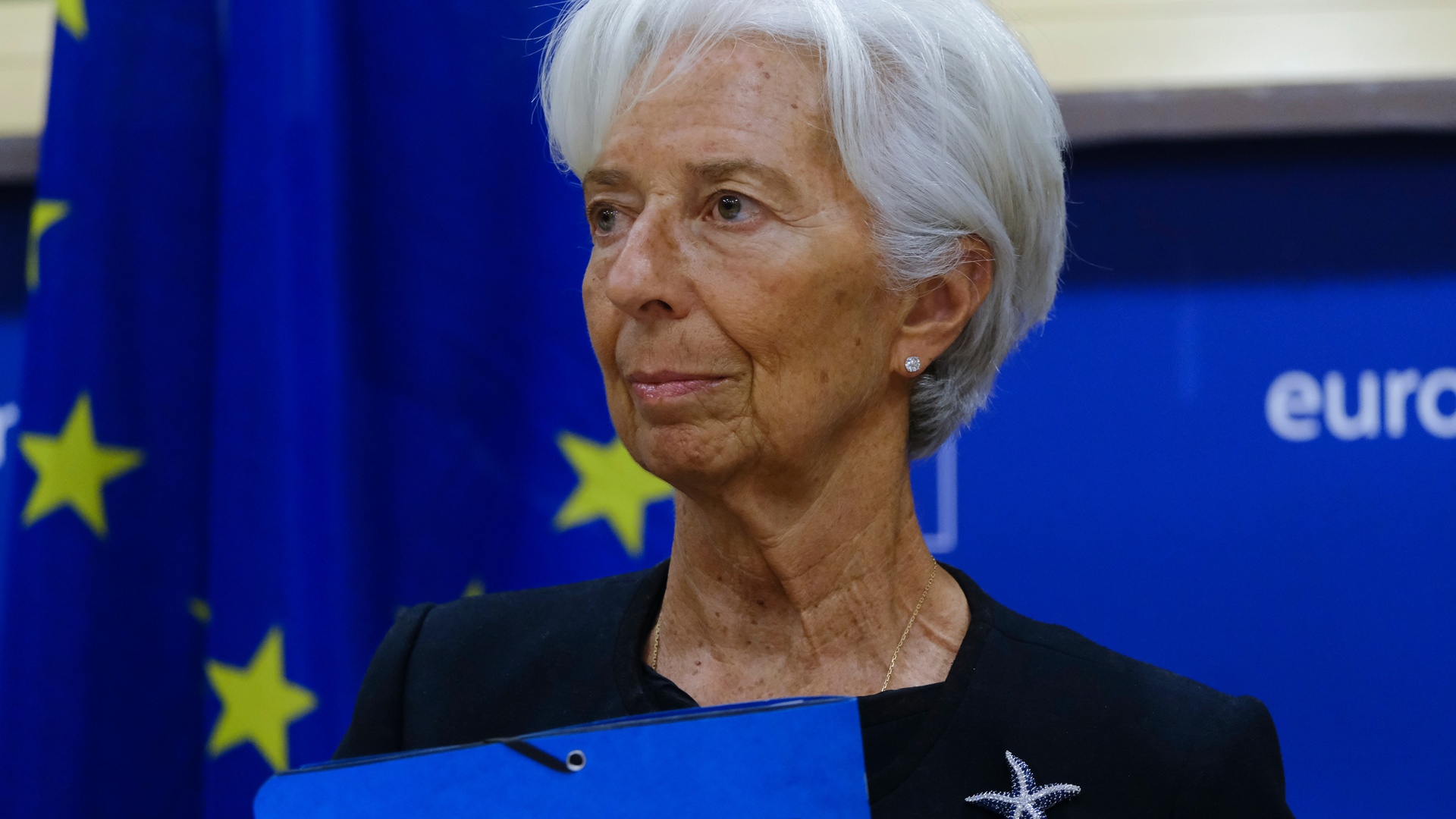
European Central Bank President Blocked Binance’s EU Entry: Report
Bitcoin Magazine European Central Bank President Blocked Binance’s EU Entry: Report European Central Bank President Christine Laga...

US sanctions Iranian crypto exchange and its software developer over alleged IRGC Bitcoin transfers
The US sanctioned Iranian crypto exchange BitBank, widening its campaign against digital-asset infrastructure allegedly used to fi...

Hypercall – Options trading for everyone, settled on Hyperliquid
Why you should listen Options are the most-traded retail derivative in the world, and on-chain they remain a rounding error. Sylve...

Bitcoin survived the Fed and CLARITY, and now faces the next major test at $82,000 this weekend
Bitcoin hit an intraday high of $81,400 on Friday, approaching the low-$82,000 zone that has capped every recovery attempt since l...

ICE Considers Avalanche to Launch NYSE Tokenized Trading Engine
Michael Blaugrund, Vice President of Strategic Initiatives at ICE, the parent company of NYSE, stated that the company was conside...
CFTC Sends Proposal To Regulate Crypto Transactions Following Clarity Act Fail
Bitcoin Magazine CFTC Sends Proposal To Regulate Crypto Transactions Following Clarity Act Fail The Commodity Futures Trading Comm...