Local’s access to global crypto platforms could end under Nigeria’s proposed capital floor
Nigeria’s Securities and Exchange Commission has proposed rules that would bring crypto businesses into its licensing perimeter when they operate in Nigeria, serve Nigerian residents, or target the country’s investors an...
Archive context
Older archive item. Useful for background and entity history, but not a fresh market-moving signal.

Nigeria’s Securities and Exchange Commission has proposed rules that would bring crypto businesses into its licensing perimeter when they operate in Nigeria, serve Nigerian residents, or target the country’s investors and market through digital channels. The plan would raise the cost of serving Nigerian users by combining local-presence requirements with capital, custody, and stablecoin-reserve tests.
The regulator published the proposal on Aug. 20 and opened comments for two weeks, putting the calendar deadline on Sept. 3. The SEC page does not state a cutoff time or time zone. The measures remain proposals under consultation, not rules already in force.
The scope clause is broad enough to reach offshore exchanges and other platforms based on whom they serve, rather than only where the business is incorporated. It covers anyone operating in Nigeria, providing services to Nigerian residents, or targeting Nigerian investors or the Nigerian market directly, indirectly, or through digital channels.
A digital-asset business operating in Nigeria or targeting residents would need SEC registration, approval, or authorization under the proposed rule text. Applicants generally would have to incorporate in Nigeria unless the Commission approves otherwise, maintain a registered office in the country, and appoint a resident chief executive, managing director, or equivalent principal officer alongside resident sponsored individuals. The text also contemplates foreign-entity registration or authorization through SEC frameworks when their conditions are met.
Related Reading Nigeria to mandate local offices, leadership for crypto firms seeking license under new regimeForeign stablecoin issuers would have a distinct local route. An issuer targeting the Nigerian market, or whose token is proposed for use by a regulated entity in Nigeria, would have to maintain a local representative and comply with reserve, liquidity, redemption-support, or other prudential requirements prescribed by the SEC.
Related Reading Nigeria SEC welcomes stablecoin innovation while ensuring compliance Capital, custody, and reservesThe ₦2 billion threshold would not apply to every license class. Schedule I assigns that minimum-capital level to Digital Asset Exchanges and Digital Asset Custodians, with a separate ₦30 million registration fee for each. Digital Asset Platforms, Digital Asset Offering Platforms, and Real World Asset Tokenization Offering Platforms are listed at ₦500 million capital with the same fee. The general VASP category is listed at ₦200 million capital and a ₦15 million registration fee.
Schedule I would also require a current fidelity insurance bond covering at least 25% of the stipulated minimum paid-up capital. That bond sits alongside, rather than inside, the minimum-capital and registration-fee requirements.
Custodians would face an additional storage test. At least 80% of client digital and virtual assets would have to remain in cold storage unless the SEC sets another percentage, with hot and warm wallets limited to operational needs.
Stablecoin issuers would face tiered reserve floors. Naira-backed and commodity-backed tokens would need at least 100% backing, while foreign-currency-backed tokens would need 120%. Crypto-backed stablecoins would start at 150%, with Schedule II setting a 150% to 200% collateral range based on volatility, liquidity, concentration, and collateral quality.
Related Reading Africa’s crypto crackdown is really a remittance revolutionIf adopted, the proposal would force offshore providers serving Nigerian users to find a local compliance path while assigning the steepest stated capital test to exchanges and custodians. Stablecoin issuers would face a different balance-sheet burden tied to the assets supporting their tokens.
The post Local’s access to global crypto platforms could end under Nigeria’s proposed capital floor appeared first on CryptoSlate.
Why this matters
SEC is showing up inside the Stablecoins theme, so this story is worth tracking for follow-through rather than treating it as a one-off headline.
Original source
Read on CryptoSlateRelated market context
Brazil’s BRL 22T CSD BR Moves Fund Records to XRP Ledger in Live Tokenization Push
Key Takeaways: CSD BR is leveraging the XRP Ledger to reflect real-time fund holdings. Over BRL 22 trillion in registered assets i...

Stealing $1.5B in crypto is easy, cashing out is the trap
North Korean hackers stole around $1.5 billion from Bybit in February 2025. While the hack itself has been widely covered and anal...
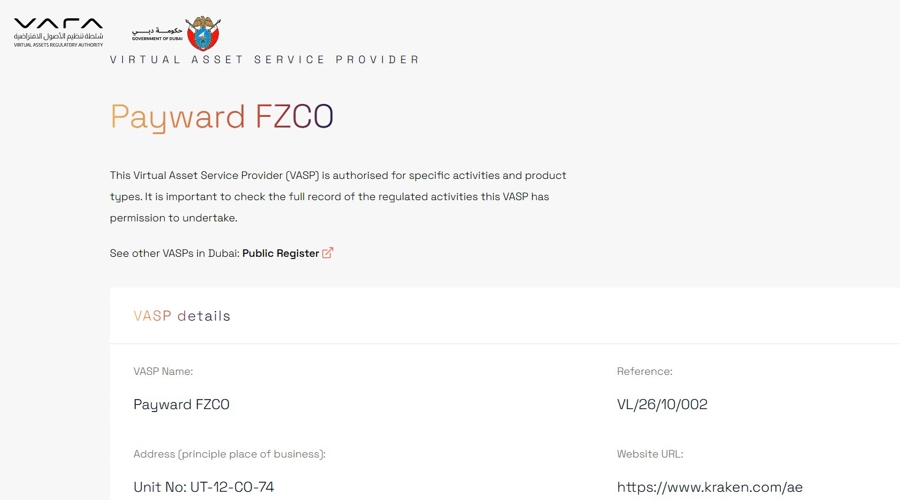
Kraken Gets Final Dubai Crypto License, Plans UAE Launch Within Weeks
Kraken's parent Payward received Full Market Approval from Dubai's Virtual Assets Regulatory Authority (VARA) today (Monday). Krak...
FTX’s old Bitcoin-mining infrastructure gets a second life powering AI
The shift from crypto mining to AI workloads highlights the evolving landscape of digital infrastructure, emphasizing connectivity...

XRP’s next Wall Street expansion comes with an unexpected complication from Ripple
Evernorth is preparing to begin trading on Nasdaq on Monday, bringing approximately 473 million XRP into a publicly traded treasur...

Tokenized stocks can carry the same rights without the same trading protections
Tokenized stocks eligible for the SEC’s September exemption must carry equivalent shareholder rights, yet their trading venues can...