Microsoft Warns of New Trojan Targeting Crypto in 20 Chrome Wallet Extensions
Microsoft has identified a new cybersecurity threat targeting cryptocurrency users, uncovering a remote access trojan (RAT) that infiltrates digital wallet extensions in Google Chrome.The tech giant’s Incident Response T...
Archive context
Older archive item. Useful for background and entity history, but not a fresh market-moving signal.

Microsoft has identified a new cybersecurity threat targeting cryptocurrency users, uncovering a remote access trojan (RAT) that infiltrates digital wallet extensions in Google Chrome.
The tech giant’s Incident Response Team revealed in a March 17 report that the malware, dubbed StilachiRAT, is designed to steal sensitive information from cryptocurrency holders.
First detected in November 2023, StilachiRAT operates by extracting credentials stored in browsers, accessing crypto wallet data, and monitoring clipboard activity.
New Malware Targets 20 Crypto Wallet Extensions to Steal User FundsOnce installed on a device, the malware scans for the presence of 20 targeted wallet extensions, including Coinbase Wallet, Trust Wallet, MetaMask, and OKX Wallet, to siphon user funds.
Microsoft’s analysis found that the trojan exploits WWStartupCtrl64.dll, a module that facilitates various stealthy data theft techniques.
StilachiRAT can retrieve login credentials saved in the Google Chrome local state file and intercept sensitive details, such as passwords and crypto keys, from clipboard activity.
It also employs anti-forensics mechanisms to evade detection by clearing event logs and detecting sandbox environments, which helps cybercriminals bypass security monitoring.
Despite its advanced capabilities, Microsoft has yet to identify the actors behind the malware.
However, the company stressed that publicly sharing its findings could help mitigate its impact.
New Malware Alert — Microsoft warns of StilachiRAT, a stealthy remote access trojan that:
Steals browser passwords & clipboard data
Targets crypto wallets
Executes remote commands & monitors RDP sessions
Evades detection by clearing event logs
Read:… pic.twitter.com/IPYbUdlxcT
Microsoft noted that while StilachiRAT has not yet spread on a large scale, its ability to evade detection and rapidly evolve makes it a significant concern.
“Based on Microsoft’s current visibility, the malware does not exhibit widespread distribution at this time,” the company said.
“However, due to its stealth capabilities and the rapid changes within the malware ecosystem, we are sharing these findings as part of our ongoing efforts to monitor, analyze, and report on the evolving threat landscape.”
Crypto Cyberattacks Surge as Hackers Deploy Sophisticated TacticsThe discovery comes amid a surge in crypto-related cyberattacks, with hackers increasingly targeting digital assets through sophisticated methods.
Microsoft advised crypto users to strengthen their security measures by implementing antivirus software, cloud-based anti-phishing tools, and strong anti-malware protections to minimize risk.
The rise in malware attacks on cryptocurrency holders coincides with an alarming spike in crypto-related fraud.
Blockchain security firm CertiK reported that crypto scams, hacks, and exploits led to $1.53 billion in losses in February, with the $1.4 billion Bybit hack accounting for the bulk of the damage.
Meanwhile, Chainalysis’ 2025 Crypto Crime Report highlighted how crypto crime is evolving into a highly professionalized industry, driven by AI-powered scams, stablecoin laundering, and sophisticated cyber syndicates, with illicit transaction volumes surpassing $51 billion last year.
In February 2025, losses in the crypto ecosystem increased by 20x month-over-month compared with January 2025, according to the latest report by major blockchain security platform Immunefi.
In January, registered losses stood at $73,915,700. Just a month later, this figure jumped to $1,528,342,400. The latter was the result of nine hacks.
Additionally, the February number is an 18x increase from the same time a year prior. In February 2024, registered losses were $81,603,400.
The post Microsoft Warns of New Trojan Targeting Crypto in 20 Chrome Wallet Extensions appeared first on Cryptonews.
Why this matters
This cryptocurrency story adds another data point to the current market tape and is useful when read alongside nearby source coverage.
Original source
Read on CryptonewsRelated market context

Ledger Says Organized Crime Group Spent Millions Targeting Hardware Wallet Users
Bitcoin Magazine Ledger Says Organized Crime Group Spent Millions Targeting Hardware Wallet Users Ledger has issued a statement fo...

MEXC AI Trading Report Reveals 85% of Crypto Traders Use AI, But Most Limit Its Control Over Funds
Mutsamudu, Comoros, October 16, 2026 — MEXC, a global cryptocurrency exchange, released its AI Trading Report, based on a survey o...

OpenAI Model Paid Ethereum Testnet Fees From a Wallet It Was Not Given
OpenAI published a misalignment report saying one of its internal research models paid for a blockchain deployment with crypto fro...
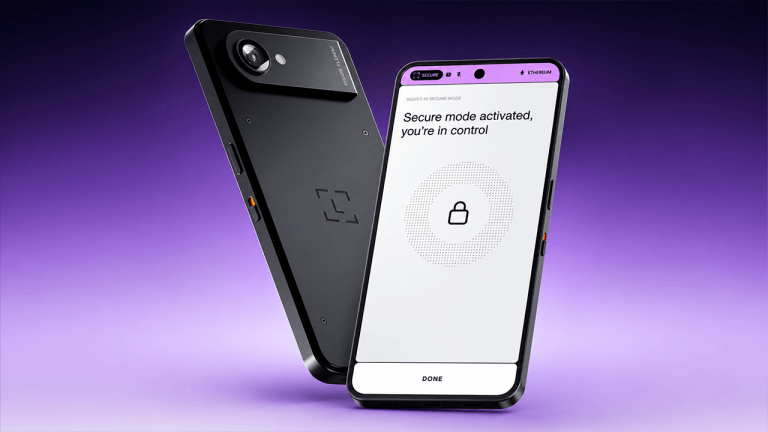
Ledger Launches $849 Android Vault After Multi-Million Dollar Wallet Scare
Ledger has unveiled Atom, an $849 Android-powered security device that integrates Solana Mobile’s Seeker ecosystem, artificial int...

FBI helps smash crypto scam targeting Russian speakers in Brooklyn
The FBI has helped take down a crypto scam network that targeted Russian-speaking individuals living in the US and likely stole te...

Ledger wallets compromised, Solana plans upgrade, US CPI rises
Rising inflation and security breaches may erode trust in crypto markets, while Solana's upgrade could bolster its competitive edg...