No Plans to Make US Dollar Sole Currency, Zimbabwean Finance Minister Calls Idea ‘Suicidal’
The Zimbabwean Finance Minister, Mthuli Ncube, recently told business leaders that he is not planning to make the U.S. dollar the country’s sole currency again. Government Focused on Strengthening Local Currency Instead...
Archive context
Older archive item. Useful for background and entity history, but not a fresh market-moving signal.
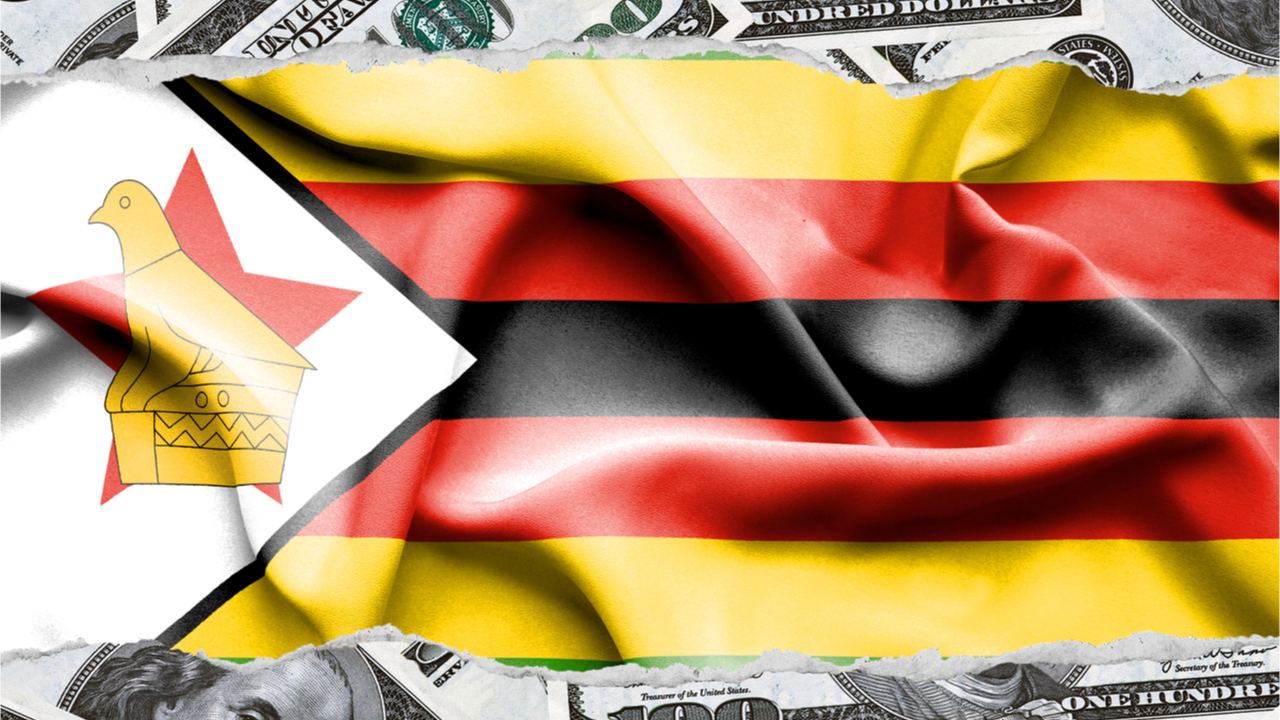
The Zimbabwean Finance Minister, Mthuli Ncube, recently told business leaders that he is not planning to make the U.S. dollar the country’s sole currency again.
Government Focused on Strengthening Local Currency
Instead of entertaining those calling for the dollarization of the Zimbabwean economy, Ncube suggested his ministry is in fact focused on defending the value of the zimdollar. According to a report by the Sunday Mail, the Zimbabwean minister made these comments while speaking at a pre-budget seminar held in Victoria Falls.
Since its reintroduction in 2019 when it was briefly at parity with the USD, the Zimdollar has seen its official exchange rate against the U.S. dollar drop to over ZWL$90 for every one USD. On the parallel market, one U.S dollar is currently equivalent to more than ZWL$160.
As previously reported by Bitcoin.com News, it is this growing difference between the parallel and official market exchange rates that prompted one of Zimbabwe’s biggest business lobbies to sound the alarm.
However, despite the local currency’s continuing slide as well as warnings by businesses, Ncube is quoted by the Sunday Mail arguing against dollarizing the economy again. He explained:
Colleagues we cannot adopt the U.S. dollar alone as the official currency. You were there before and there were queues at banks, huge foreign currency deficits, and you had deflation. That was because of the U.S. dollar. It is not a good idea and it will be suicidal to do so.
Zimdollar as Transactional Currency
On the other hand, the report quotes Ncube pointing to the increased industrial output as one of the achievements attained when the zimdollar was reintroduced. The finance minister also explained to those attending the seminar why the government wants businesses to not reject the zimdollar. He said:
“We are using both currencies and you will see shifts one way or the other. We are trying to stabilize the Zimbabwean dollar and we have done well to ensure salaries are not eroded. The United States dollar is performing the role of a savings and investment currency while Zimbabwean dollar is performing more the role of a transactional currency rather than an investment currency.”
Do you agree with Ncube’s arguments against dollarization? Tell us what you think in the comments section below.
Why this matters
This cryptocurrency story adds another data point to the current market tape and is useful when read alongside nearby source coverage.
Original source
Read on Bitcoin NewsRelated market context
Circle Shareholder Sues Trump, Alleging Unconstitutional Profits From $2B UAE Crypto Deals
Bitcoin Magazine Circle Shareholder Sues Trump, Alleging Unconstitutional Profits From $2B UAE Crypto Deals A shareholder from one...

Spout Finance – Let Your Stocks Pay the Interest
Why you should listen Spout starts from an argument about who tokenized stocks are really for. Marc points out that anyone with me...

Tech giant LG CNS taps Chainlink to scale Korea’s tokenized finance and stablecoin markets
The partnership could accelerate Korea's digital finance evolution, enhancing global competitiveness and fostering secure, interop...

GENIUS Act Rules Are Reshaping the USDC vs. USDT Battle
The US stablecoin market is entering a new regulatory phase, with Circle’s USDC and Tether’s USDT facing different challenges as f...

Moonpay and Upbit Parent Dunamu Take Aim at Global Finance
Moonpay and Dunamu—the parent company of Upbit, South Korea’s largest cryptocurrency exchange by trading volume and the world’s th...

Bitcoin ETFs sold through 7 of 8 crashes even as Wall Street makes BTC selloffs less violent
Bitcoin ETFs recorded outflows during seven of eight major selloffs, challenging expectations that Wall Street investors would sup...