Not Your Keys, Not Your Coins: What True Self-Custody Actually Requires
New research examines how investor behavior, wallet architectures, and operational security practices determine what genuine self-custody requires in 2026.
Archive context
Older archive item. Useful for background and entity history, but not a fresh market-moving signal.

New research examines how investor behavior, wallet architectures, and operational security practices determine what genuine self-custody requires in 2026.
Why this matters
This maps to the Market Structure hub, so it can help confirm whether that theme is gaining breadth across the crypto news cycle.
Original source
Read on CointelegraphRelated market context

TOKEN2049 Takeaways: Stablecoins, Asset Tokenization, and AI Payments
Every crypto conference brings a wave of new partnerships, products, and concepts. After scrolling through the latest updates, you...
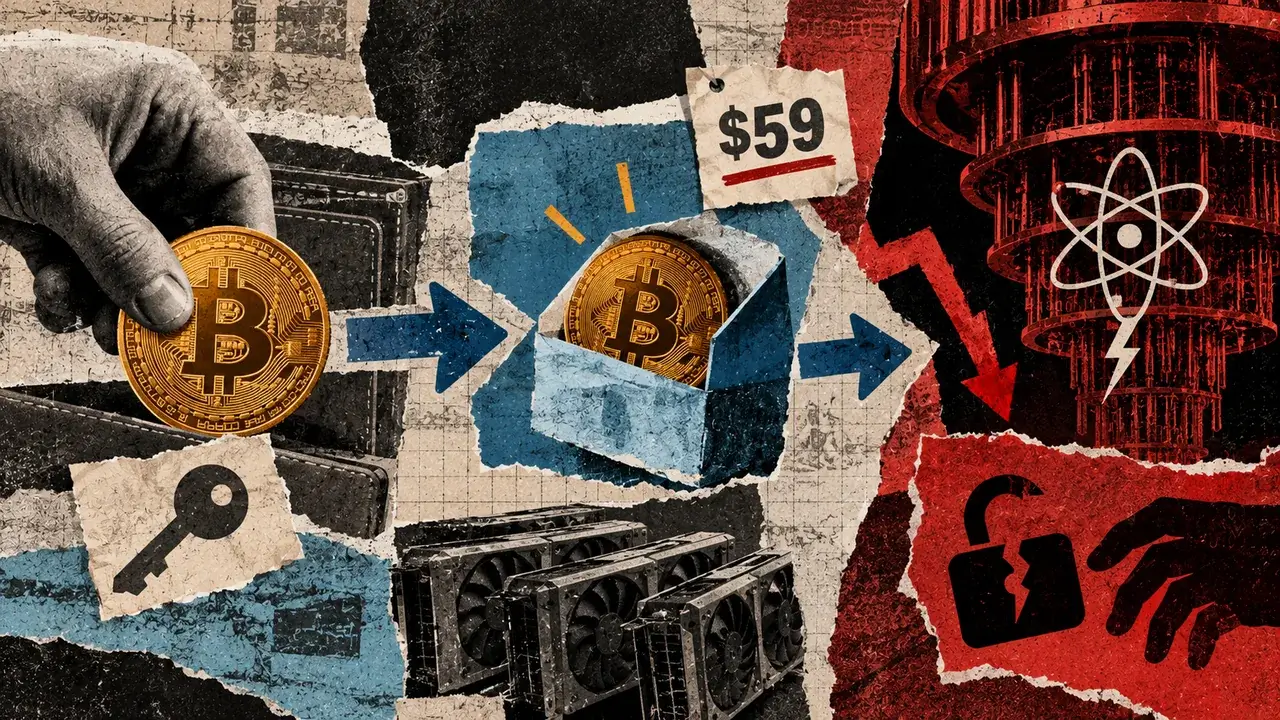
Bitcoin’s quantum-safe protection gets 82% cheaper as researchers race to secure 6 million exposed BTC
Researchers have cut the estimated computing cost of a specialized quantum-safe Bitcoin transaction by 82% to $59. Data from the Q...
Bitcoin’s Quantum-Resistant Upgrade Has to Work for Big Custodians, Coinbase Tells Developers
Coinbase set out what it wants from Bitcoin‘s shift to signatures that can resist a future quantum computer, and much of its list...
Researchers Build First Working Post-Quantum Defense for Bitcoin’s Lightning Network
Bitcoin Magazine Researchers Build First Working Post-Quantum Defense for Bitcoin’s Lightning Network Whether or not quantum compu...

Low East Coast diesel stocks could delay inflation relief for Bitcoin investors
EIA forecasts winter distillate inventories 20–30% below normal, while falling diesel prices keep the inflation and Bitcoin implic...

Bitcoin (BTC) Price Prediction: Slowing Whale Selling Offers Hope as $81.5K ETF Support Holds
On-chain data indicates that distribution from longer-term holders has slowed, offering some relief to the market. However, weaken...