Philippine Central Bank Governor Explains Crypto Policy — ‘I Don’t Want It Banned’
The governor of the central bank of the Philippines has shared his policy on cryptocurrency regulation. “I don’t want it banned,” he said, advising investors not to invest money they cannot afford to lose in crypto. Phil...
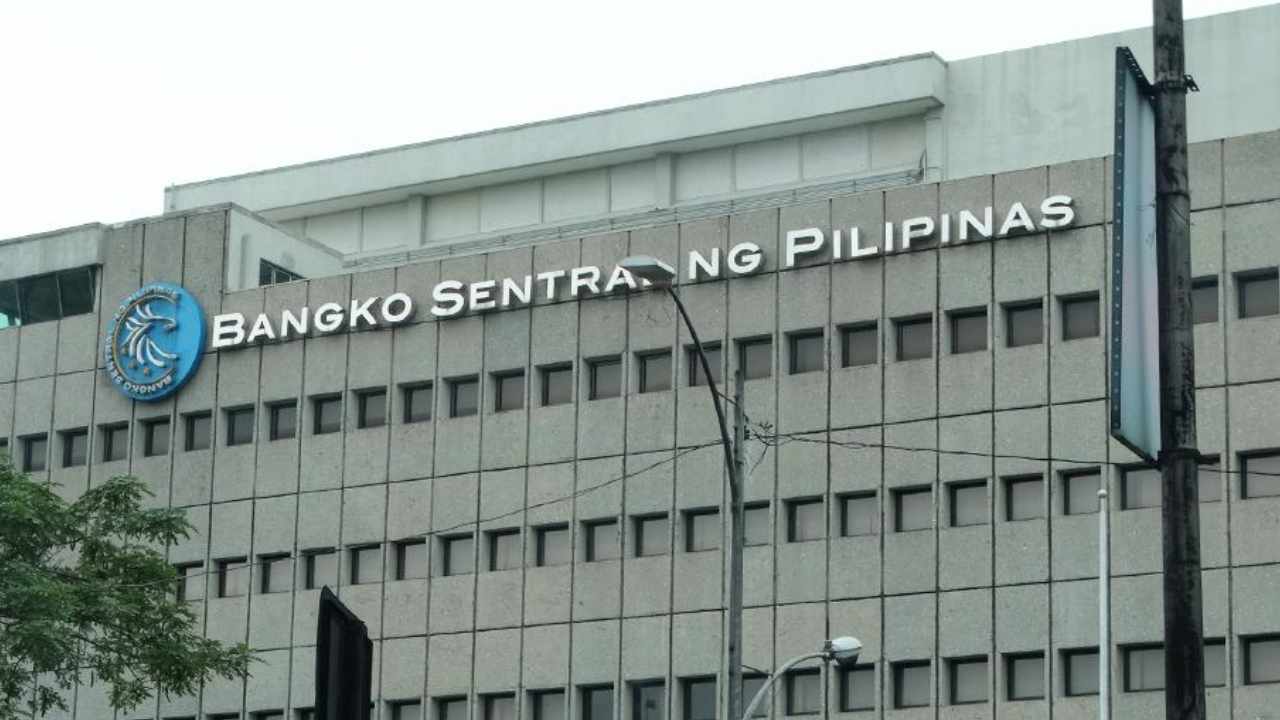
The governor of the central bank of the Philippines has shared his policy on cryptocurrency regulation. “I don’t want it banned,” he said, advising investors not to invest money they cannot afford to lose in crypto.
Philippine Central Bank Governor on Crypto Regulation
Felipe Medalla, the governor of the Bangko Sentral ng Pilipinas (BSP), the country’s central bank, shared his policy on cryptocurrency in an interview with Forkast, published Friday.
Medalla was asked: “What’s your take on cryptocurrency?” He replied:
I don’t want it banned, but I don’t want to call it cryptocurrency.
The central bank governor explained that in his opinion cryptocurrency “has really very little use for actual payments, especially when the price is so volatile.” Emphasizing that currency cannot be very volatile, he suggested calling it “crypto assets.”
Medalla then slammed bitcoin’s environmental impact, stating that the crypto is “bad for the environment because the amount of electricity that the miners use is bigger than the electric consumption of some countries.”
Nonetheless, crypto “is a good thing” since “it’s an alternative to government” in countries “with so much financial and economic repression,” he conceded. “The other thing that it’s useful for is evading monitoring by government,” the central banker pointed out, adding: “The question is what social good does that achieve?”
Emphasizing that “In most countries where the government is not perfect but is largely contributing to the common good, you don’t necessarily want to weaken the government,” Medalla opined:
So my view is its valuation may be too high because of all the things I said.
The Philippine central banker proceeded to talk about the crypto market downturn. “It’s already happened that the bubble has collapsed. Right? Some of the crypto assets have fallen by almost two-thirds in a very, very short period,” Medalla detailed, elaborating:
So my advice always is if you go to buy this, don’t put in money that you cannot afford to lose.
Regarding the Philippine central bank’s crypto policy, Medalla stressed: “Our policy standpoint, it must not be used for evading anti-money laundering and know your customer rules.”
He concluded that for exchanges, “where you exchange crypto assets for bank deposits or physical currency,” it’s the central bank’s policy to enforce “all the rules that are needed to prevent money laundering, especially to finance crimes.”
What do you think about the comments by the Philippine central bank governor? Let us know in the comments section below.
Original source
Read on Bitcoin NewsRelated market context

The future of vaults: neobanks and invisible DeFi
The following is a guest post and opinion from Vincent Maliepaard, VP of Marketing at Sentora. On January 26, 2026, Kraken launche...

Japan Three Biggest Banks Unite to Launch Yen Crypto Stablecoin by March 2027
MUFG Bank, Mizuho Bank, and Sumitomo Mitsui Banking Corporation have established a formal joint council to develop and co-issue a...
Banks are buying Bitcoin vaults, but a quantum problem may be waiting inside
The banks are finally buying the vaults. In May, BNY, the world's largest custodian with $59.4 trillion in assets under custody an...

Hoskinson wants to save Cardano’s rep by leaving X for Discord safespace
Charles Hoskinson thinks he can solve Cardano’s spiralling social reputation by muting everyone on X and increasing censorship on...
Ripple chases AI’s machine economy as XRPL stablecoins near $1 billion
Stablecoin liquidity on the XRP Ledger (XRPL) has nearly doubled over the past month, putting the network within reach of a $1 bil...

Carlos Domingo: The DTCC is repeating telecom’s mistakes, banks need the Clarity Act more than crypto, and stablecoins set the benchmark for tokenized assets | The Wolf Of All Streets
Financial institutions must choose between proprietary systems or embracing open blockchain technologies for future growth. The po...