President Raisi Calls on Central Bank of Iran to Ditch US Dollar in Trade, Shift to National Currencies
Iranian president Ebrahim Raisi has called on the Central Bank of Iran to lay the groundwork necessary to ditch the U.S. dollar for bilateral trade settlements and to make the switch to use the Iranian real whenever poss...
Archive context
Older archive item. Useful for background and entity history, but not a fresh market-moving signal.
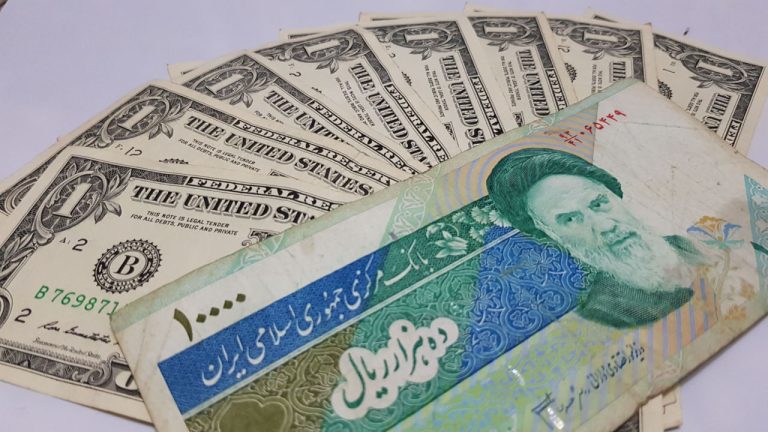
Iranian president Ebrahim Raisi has called on the Central Bank of Iran to lay the groundwork necessary to ditch the U.S. dollar for bilateral trade settlements and to make the switch to use the Iranian real whenever possible. The Central Bank of Iran has already started implementing this policy, proposing to pay bilateral trades using Iranian reals in a recent high-level reunion with Oman’s minister of commerce.
Raisi Calls on Central Bank of Iran to Ditch DollarIranian President Ebrahim Raisi has called for a policy shift when it comes to the use of the U.S. dollar in bilateral trades. On May 7, during a cabinet meeting after his visit to Syria, Raisi discussed the advancement of other countries such as China and Russia in reducing their trade dependence on the U.S. dollar and called for the Central Bank of Iran to lay the groundwork for shifting to the use of local currencies, such as the Iranian real.
Raisi also referred to the strength of the Syrian market, and how the two countries could benefit from a closer integration and trade relationship. He stated:
The Syrian market has a high capacity and capability for Iran to increase the level of trade relations between the two countries.
Raisi recently reiterated that Iran would seek to join the BRICS bloc as a way of undermining the hegemony that the U.S. and other countries exert over the world, contributing to the establishment of a multipolar world in the future.
Central Bank of Iran MovesThe Governor of the Central Bank of Iran, Mohammadreza Farzin, explained that Iran would pursue this proposed policy of ditching the U.S. dollar in trade settlements as a strategic policy.
The announcement, made on May 8 during a high-level meeting with Qais bin Mohammad Al Yousef, the minister of commerce and industry of Oman, remarked that the $1.8 billion bilateral trading balance could even increase with the use of national currencies, according to Farzin.
On the reasons for abandoning the U.S. dollar, Farzin detailed that the U.S. was using its currency as a political tool to put pressure on other countries, explaining this was the reason the usage of other currencies, such as the Chinese yuan, had grown recently. Oman’s representative received the proposal positively, stating that this move would present advantages for both sides.
What do you think about Iran’s move to ditch the US dollar and adopt national currencies for foreign trade settlements instead? Tell us in the comments section below.
Why this matters
This cryptocurrency story adds another data point to the current market tape and is useful when read alongside nearby source coverage.
Original source
Read on Bitcoin NewsRelated market context

BIS paper finds banks could slow stablecoin growth by raising rates
Rising bank rates could curb stablecoin growth, impacting monetary policy, regulation, and competition between banks and digital c...

Russia Will Soon Ban Peer-to-Peer Bitcoin Trading, Central Bank Confirms
Russians have until July 1, 2027 to buy and sell crypto directly with each other. After that, every trade runs through a broker or...

Circle Says 59 Cents of Each Revenue Dollar Went to USDC Partners and Transaction Costs
Circle said it paid about $819 million of its roughly $1.4 billion in first-half 2026 revenue to USDC distribution partners and tr...

Trade futures without the wallet-hopping: Unified Wallet is now available in the EEA
TL;DR Unified Wallet is now available to EEA clients on Kraken Pro It combines your spot, margin, and futures balances into one sh...

Ripple Prime Opens 24/7 Swaps on Stocks, Metals and Currencies, With Virtu Already Trading
Ripple Prime, Ripple’s institutional prime brokerage, now lets clients hold positions on stocks, indices, commodities and currenci...

Ripple Brings RLUSD to Cross River Bank as Garlinghouse Backs Evernorth’s XRP Strategy
Announced on October 15, the Cross River partnership integrates Ripple USD (RLUSD) into the bank’s proprietary Core Operating Syst...