PYUSD: Bridging the Gap or Building Regulatory Walls?
In a defining move this year, PayPal has ignited a fervent dialogue within the crypto industry with the launch of its native stablecoin, PYUSD. This groundbreaking step, signaling a pivotal leap toward crypto adoption in...
Archive context
Older archive item. Useful for background and entity history, but not a fresh market-moving signal.

In a defining move this year, PayPal has ignited a fervent dialogue within the crypto industry with the launch of its native stablecoin, PYUSD. This groundbreaking step, signaling a pivotal leap toward crypto adoption in mainstream finance, has triggered passionate discussions among industry observers. While presenting itself as a bridge between fiat and digital currencies, PYUSD has set the stage for debates on its potential influence on payments and the broader crypto ecosystem.
CEO Insights: Dan Schulman's Vision for PYUSD
At the core of PayPal's initiative is the creation of a stable digital-fiat conduit catering to consumers, merchants, and developers. PayPal CEO Dan Schulman emphasized the necessity for a stable instrument native to the digital realm yet seamlessly connected to fiat, addressing inherent challenges in the existing financial landscape. By streamlining transactions, including payments, fund transfers, and crypto conversions, PYUSD aims to mitigate frictions in virtual environments, expedite value transfer, and provide a secure alternative to the volatile nature of traditional cryptocurrencies.
Under the Hood: PYUSD's Technical Aspects and Blockchain Compatibility
As an ERC-20 token operating on the Ethereum blockchain, PYUSD boasts compatibility with prevalent exchanges, wallets, and Web3 applications. Plans to extend its reach to Venmo further highlight PayPal's commitment to bridging the gap between conventional and digital financial ecosystems. However, the widespread adoption of PYUSD across PayPal's extensive user base in 200 markets remains uncertain.
Regulatory oversight for PYUSD falls under the purview of the New York State Department of Financial Services, with transparency initiatives, such as monthly reserve reports from Paxos, aiming to address concerns and build trust. Despite these efforts, the crypto industry remains divided on the potential impact of PYUSD.
Market Reactions: PYUSD's Resonance and Skepticism
The PYUSD launch sends a resounding message to the market—stablecoins are moving into the mainstream, offering the benefits of blockchain to everyday transactions. The prospect of PYUSD's integration across multiple systems sparks optimism about the introduction of more use cases.
Yet, not all voices in the crypto community share the same enthusiasm. Some express reservations about the encroachment of institutionalized payment systems into the crypto and Web3 space. Crypto influencers have voiced concerns about the restrictive nature of such systems, emphasizing a desire to escape from traditional institutionalized frameworks.
Regulatory Crossroads: PYUSD and Rule Focus
Regulatory challenges loom large over PayPal's foray into the stablecoin realm. Maxine Waters, the top Democrat on the House Financial Services Committee, has expressed apprehension about PayPal launching its stablecoin without a federal regulatory framework in place. The dichotomy lies in the potential of PayPal's entry to either act as a catalyst for a crypto-driven payment system or intensify regulatory scrutiny, potentially stifling the innovative spirit of the crypto market.
Debating Dynamics: PYUSD's Impact on Crypto Payment Systems
Over 1.7 billion people worldwide lack access to traditional banking services, limiting their participation in the global financial ecosystem. The concept of decentralized finance (DeFi) emerges as a potential solution, offering access to loans, savings, and investment opportunities for the unbanked and underbanked populations.
However, the transition to DeFi faces hurdles, primarily regulatory issues that have yet to align with the modern mindset, thus underscoring the hypothetical scenario where PayPal's stablecoin, despite its centralized roots, could facilitate the transition from conventional to DeFi if regulatory frameworks become more amenable.
The revolutionizing effect of platforms like Facebook, Instagram, and TikTok on consumer shopping behaviors cannot be overstated. Despite the potential of social media as a retail platform, consumer concerns about merchant authenticity and data safety pose significant hurdles.
Addressing these concerns becomes paramount for retailers looking to harness the full potential of social media as a retail platform. Building trust through safeguarding personal data, ensuring product quality, and providing seamless payment options are identified as critical strategies for retailers.
Conclusion
As PayPal's PYUSD continues to make waves in the crypto industry and social media solidifies its position as a retail powerhouse, stakeholders find themselves at the intersection of innovation, regulation, and trust-building. Navigating this complex landscape requires a delicate balance between embracing disruptive technologies and addressing regulatory challenges while prioritizing consumer trust.
This article was written by Pedro Ferreira at www.financemagnates.com.Why this matters
This cryptocurrency story adds another data point to the current market tape and is useful when read alongside nearby source coverage.
Original source
Read on Finance MagnatesRelated market context

Circle enables stablecoin purchases, lending on Arc with new kits
Circle's new developer kits could democratize financial services in apps, but reliance on third-party infrastructure poses potenti...

Open USD Stablecoin Goes Live as Stripe, Visa and Mastercard Open It to Businesses
Open USD (OUSD), the dollar stablecoin backed by Coinbase, Mastercard, Shopify, Stripe and Visa, went live on Wednesday, its opera...
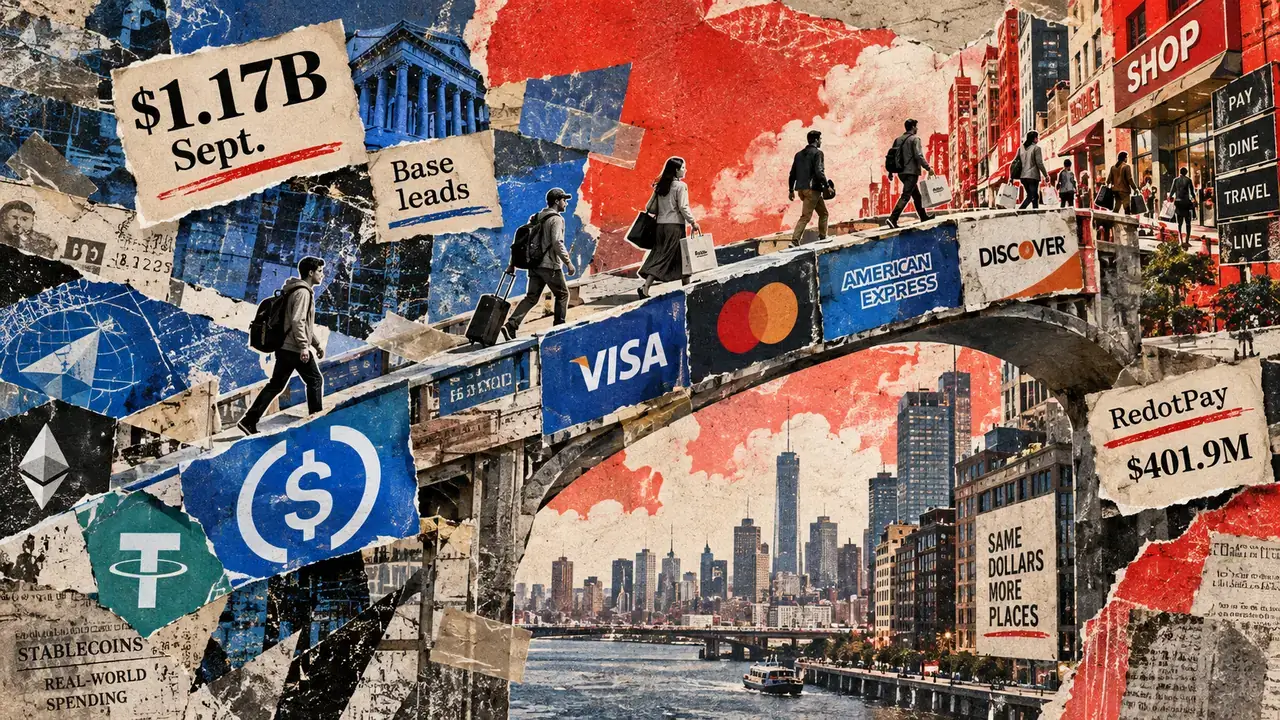
Stablecoin cards enter ‘hyper growth’ mode as monthly spending hits record $1.17 billion
Stablecoin card spending is accelerating to record levels, but the payment rail remains a fraction of the traditional card market....

Sen. Daines moves crypto tax overhaul with stablecoin relief and wash-sale rules
Sen. Daines' crypto tax reform could streamline digital transactions, impacting user convenience and trader strategies in the evol...

Senate Republicans introduce crypto tax bill targeting digital assets
The bill's focus on crypto taxation may signal a shift towards detailed regulatory frameworks, influencing market sentiment and fu...
Open USD Launches as Stripe's Default Stablecoin
Open Standard launched Open USD (OUSD) on Sept. 30, opening business access through Stripe, BVNK and a limited Visa rollout, with...