Robinhood Crypto to Pay $30 Million Penalty for AML and Consumer Protection Violations
Robinhood’s crypto division has been fined by the New York State Department of Financial Services (NYDFS). The authority confirmed on Tuesday that it has imposed a penalty worth $30 million on Robinhood Crypto for ‘signi...
Archive context
Older archive item. Useful for background and entity history, but not a fresh market-moving signal.

Robinhood’s crypto division has been fined by the New York State Department of Financial Services (NYDFS). The authority confirmed on Tuesday that it has imposed a penalty worth $30 million on Robinhood Crypto for ‘significant’ violations related to anti-money laundering, cybersecurity and consumer protection.
The details shared by the authority show that significant shortcomings were identified in Robinhood Crypto’s compliance programs. The crypto division of the financial services provider also violated certain reporting requirements.
“As its business grew, Robinhood Crypto failed to invest [in] the proper resources and attention to develop and maintain a culture of compliance, a failure that resulted in significant violations of the Department’s anti-money laundering and cybersecurity regulations,” said Superintendent Harris.
“All virtual currency companies licensed in New York State are subject to the same anti-money laundering, consumer protection and cybersecurity regulations as traditional financial services companies. DFS will continue to investigate and take action when any licensee violates the law or the Department’s regulations, which are critical to protecting consumers and ensuring the safety and soundness of the institutions,” Harris added.
In the last 12 months, Robinhood has expanded its presence in the crypto ecosystem significantly. In April 2022, the company signed an agreement to acquire Ziglu.
Violations
NYDFS highlighted that the company failed to allocate appropriate resources to its compliance program. The authority noted that some weaknesses were found in Robinhood Crypto’s transaction monitoring and cybersecurity programs.
“The Department found, following a supervisory examination and a subsequent enforcement investigation, that RHC’s BSA/AML compliance program, including its transaction monitoring system, had significant deficiencies. Among other things, RHC’s BSA/AML program was inadequately staffed; failed to timely transition from a manual transaction monitoring system that was inadequate for RHC’s size, customer profiles and transaction volumes; and did not devote sufficient resources to adequately address risks specific to RHC,” NYDFS added.
This article was written by Bilal Jafar at www.financemagnates.com.Why this matters
This cryptocurrency story adds another data point to the current market tape and is useful when read alongside nearby source coverage.
Original source
Read on Finance MagnatesRelated market context
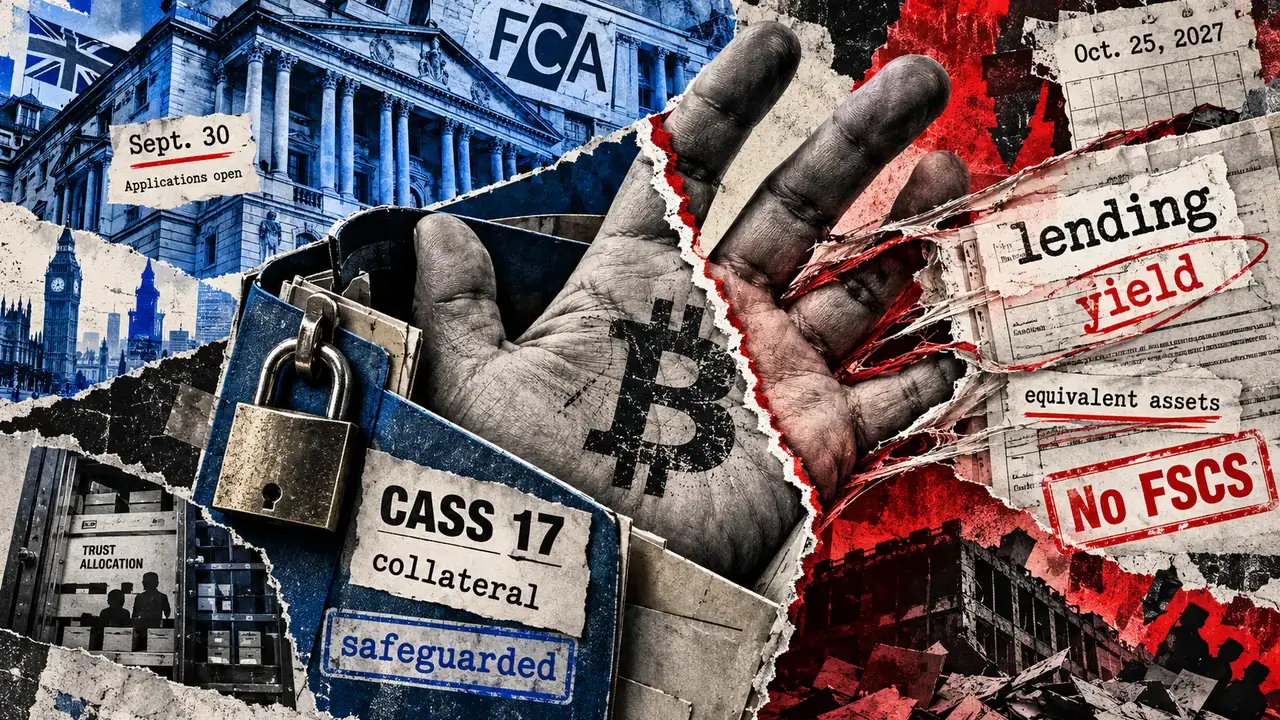
UK’s 2027 crypto rules let firms remove trust protection from Bitcoin lent for yield
UK crypto firms can now apply for authorization as of Sept. 30, bringing Bitcoin holders closer to a rulebook that will treat coin...

Coinbase builds financial accounts for super intelligence
Coinbase's AI-focused financial infrastructure could revolutionize autonomous transactions, potentially reshaping financial market...

XRP News: Brazil $4T Financial Infrastructure Expands Onto XRPL
CSD BR, a Brazilian financial-market infrastructure operator overseeing more than 22 trillion reais in registered assets, has been...

Bitcoin’s Institutional Era Has Arrived | Robinhood VP of Crypto Institutions Nicola White
Bitcoin Magazine Bitcoin’s Institutional Era Has Arrived | Robinhood VP of Crypto Institutions Nicola White Robinhood is bringing...
FCA Opens Five-Month Authorisation Window for UK Crypto Firms
The UK's financial regulator has given crypto companies five months to apply for FCA authorisation if they want their applications...

Lighter Crypto LIT Drops Violently on Robinhood Plan
Lighter crypto is trading at $3.86, down 13% over 24 hours and 26% over seven days. The selloff followed Robinhood’s decision to r...