Russia Draws Firm Line on Digital Assets, Keeping Crypto Out of Domestic Payments
Russia has reiterated its firm stance on crypto, drawing a clear distinction between digital assets and traditional currency. While global debate continues over whether crypto can coexist with national currencies, Russia...
Archive context
Older archive item. Useful for background and entity history, but not a fresh market-moving signal.

Russia has reiterated its firm stance on crypto, drawing a clear distinction between digital assets and traditional currency. While global debate continues over whether crypto can coexist with national currencies, Russian lawmakers are reinforcing a long-held view.
Inside the country, payments remain the sole domain of the ruble. The position comes as crypto usage grows worldwide and as Russia experiments with alternative settlement tools for cross-border trade under pressure from sanctions.
At the center of the latest comments is Anatoly Aksakov, chair of the State Duma Committee on Financial Markets and a key figure behind Russia’s crypto legislation. Speaking to state media, Aksakov said there is no ambiguity in the law.
Lawmakers Reinforce Ruble-only Payment RuleIn Russia, cryptocurrencies such as Bitcoin and Ethereum can be held or traded as investments, but they are not permitted to function as a means of payment in domestic commerce, according to lawmaker Anatoly Aksakov. All payments for goods and services must continue to be settled in rubles.
Aksakov’s remarks restate provisions introduced in Russia’s 2020 digital assets law, which removed cryptocurrencies from any form of legal tender. Lawmakers argue that money must be issued and controlled by the state, and private digital currencies do not meet that standard.
Officials say there are no plans to soften this stance. The rule applies across retail, online services, and business contracts, closing the door on crypto payments regardless of adoption trends or market conditions.
Central Bank Skepticism Shapes PolicyThe Bank of Russia continues to play a decisive role in this approach. Governor Elvira Nabiullina has long warned that cryptocurrencies pose risks to financial stability and consumer protection.
The central bank has consistently opposed using crypto as a medium of exchange and has previously pushed for broad restrictions on exchanges and transactions.
This position has led to years of friction with the Ministry of Finance, which favored regulation and taxation over outright limits. While several legislative proposals emerged from that debate, none altered the core prohibition on crypto payments. Today, policymakers appear to be aligned in preserving the ruble’s monopoly.
Cross-Border Use Grows Despite Domestic BanAlthough crypto is barred from internal payments, Russian authorities acknowledge its growing role in international trade. Businesses are permitted to use digital assets for cross-border settlements under an experimental legal regime, a workaround that has gained traction amid global financial restrictions.
Officials estimate that billions of dollars’ worth of trade has already moved through such channels. Similarly, Russia has legalized cryptocurrency mining and is tightening oversight of the sector, underscoring a split strategy, limited use abroad, and strict control at home.
That divide alone defines Russia’s crypto policy. Digital assets may serve as investment tools or external settlement instruments, but inside the country, the ruble remains the only means of payment.
Cover image from ChatGPT, BTCUSD chart from Tradingview
Why this matters
This cryptocurrency story adds another data point to the current market tape and is useful when read alongside nearby source coverage.
Original source
Read on NewsBTCRelated market context

State of TRON Q3 2026 Report Highlights $2.21 Trillion in Stablecoin Settlement Amid Network Activity Growth
Geneva, Switzerland, October 12, 2026 — TRON DAO, the community-governed DAO dedicated to accelerating the decentralization of the...

Willem Middelkoop: Bitcoin is the Fastest Horse – Why the Debasement Trade Takes it to $1M
Bitcoin Magazine Willem Middelkoop: Bitcoin is the Fastest Horse – Why the Debasement Trade Takes it to $1M Central banks are buyi...
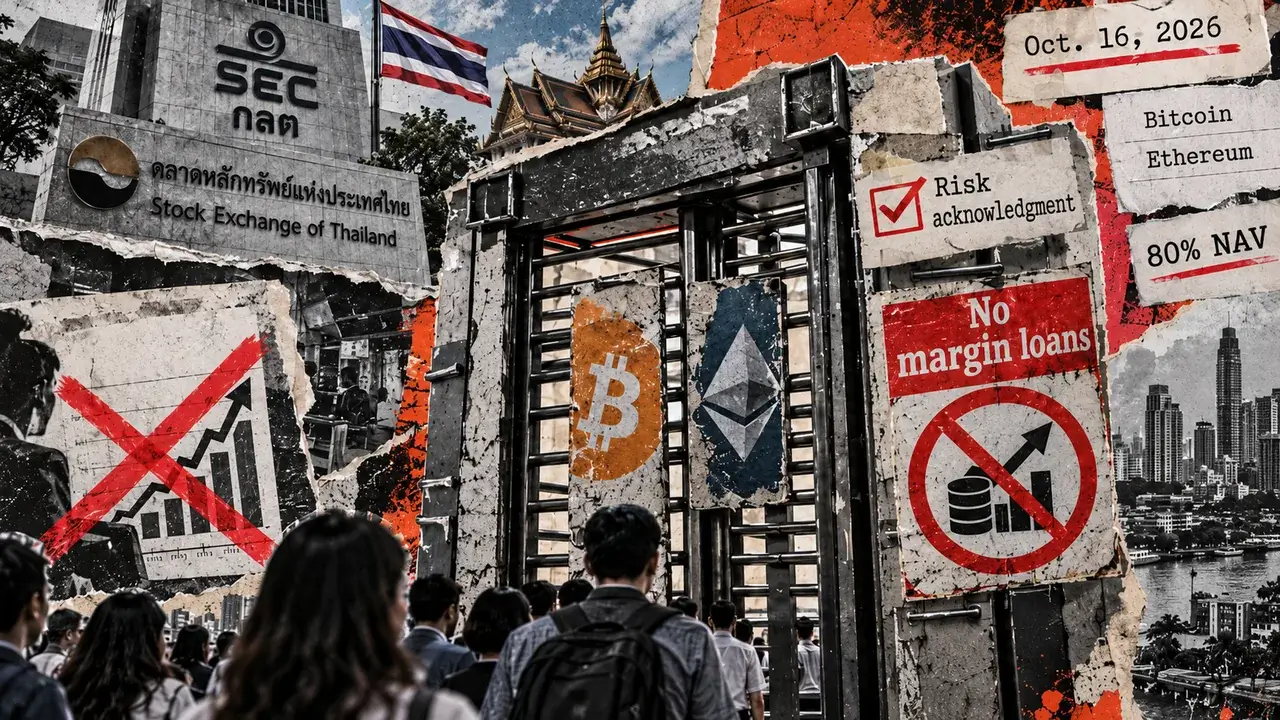
Thailand wants a piece of the $120 billion Bitcoin and Ethereum ETF market, but on its own terms
Thailand has finalized rules allowing domestic Bitcoin and Ethereum ETFs while restricting retail access to competing overseas inv...

XRP’s next Wall Street expansion comes with an unexpected complication from Ripple
Evernorth is preparing to begin trading on Nasdaq on Monday, bringing approximately 473 million XRP into a publicly traded treasur...
Moscow Exchange to Launch Bitcoin Trading, Testing Underway
Bitcoin Magazine Moscow Exchange to Launch Bitcoin Trading, Testing Underway The Moscow Exchange plans to let clients trade crypto...

FTX’s former Bitcoin mining bet gets new life as parent raises €800 million for AI
SWI Group has raised €800 million to expand AI infrastructure, advancing its plan to repurpose FTX-backed Bitcoin miner Genesis Di...