Russian Banks Begin Testing Digital Ruble Payments
Banks in Russia are preparing to dive into the pilot phase of the digital ruble project and some are already testing transactions with the currency. Trials have started with customer-to-customer (C2C) payments and Bank o...
Archive context
Older archive item. Useful for background and entity history, but not a fresh market-moving signal.
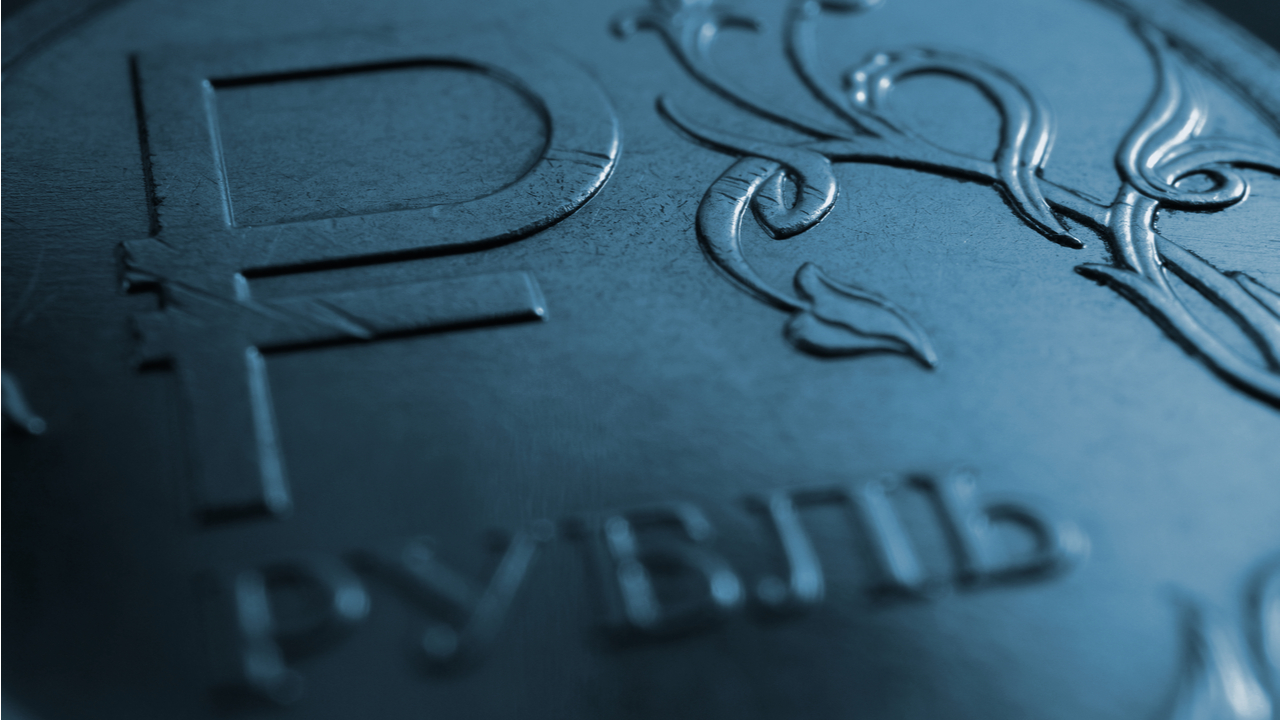
Banks in Russia are preparing to dive into the pilot phase of the digital ruble project and some are already testing transactions with the currency. Trials have started with customer-to-customer (C2C) payments and Bank of Russia plans to expand the types of operations in the future.
Digital Ruble Pilot Launches With 12 Participating BanksThe Central Bank of Russia (CBR) completed the prototype of the digital ruble platform in December and is now beginning to experiment with transactions. A dozen banks have been invited to join the first stage of the project’s pilot phase. The monetary authority plans to gradually expand the range of participants to include other financial service providers and types of transactions.
Right now, the majority of Russian banks are gearing up to start testing the new central bank digital currency (CBDC), Tass reported after contacting the institutions. One of them, Promsvyazbank (PSB), is currently processing C2C payments, Maxim Khrustalev, advisor to the deputy chairman of the bank told the news agency.
After the customer-to-customer transactions, “the technical testing of C2B, B2C and B2B payments will begin. Based on the results of the piloting, Bank of Russia will start to introduce the digital ruble platform into commercial operation,” Khrustalev added.
Tinkoff Bank is also joining the efforts to trial the new, digital form of Russian fiat. “Tinkoff is preparing to pilot the digital ruble in the near future,” according to a statement from the online neobank. Tinkoff recently entered the crypto space by acquiring a controlling stake in the Swiss-registered fintech startup Aximetria.
Another major Russian bank, VTB, said its infrastructure is ready to pilot the digital ruble. “Piloting includes integration with the digital ruble platform and the introduction of services such as opening a wallet through a mobile application and digital ruble transfers between individuals,” the bank’s press office detailed.
According to Vitaly Kopysov, chief innovation officer at SKB-Bank, the digital ruble will become a driver for the development of new national payment services for both citizens and companies. Speaking with Tass, he elaborated:
The digital ruble will give an additional impetus to the creation of offline cashless payment services for businesses in the absence of Internet access at a point of sale, which is very important given the geography of the Russian Federation.
Russia’s central bank has maintained a hardline stance on cryptocurrencies and recently proposed a wide-ranging ban on crypto-related activities. It began contemplating a digital ruble three years ago and decided to explore options to issue the CBDC in 2020, when it published a consultation paper on the matter. In April 2021, the bank released a digital ruble concept outlining its principal architecture.
Other banks taking part in the first stage of the pilot are Ak Bars, Alfa-Bank, Dom.rf Bank, Gazprombank, Rosbank, Sberbank, Bank Soyuz, and Transcapitalbank. The Federal Treasury, along with financial intermediaries, will join at the second stage when transactions between private individuals and corporate entities will be carried out, including consumer-to-business (С2B), business-to-business (B2B) and business-to-government (B2G) transactions.
Do you think Russia will be able to successfully launch a digital ruble? Share your expectations in the comments section below.
Why this matters
This cryptocurrency story adds another data point to the current market tape and is useful when read alongside nearby source coverage.
Original source
Read on Bitcoin NewsRelated market context
Irish Central Bank Fines Coinbase Unit €3.25 Million Over Customer Fund Safeguards
TL;DR: Ireland’s central bank imposed a €3.25 million penalty on Coinbase Ireland over electronic-money safeguarding and outsourci...

Ripple Study Finds Banks Could Unlock $100M Beyond Crypto Custody
Digital asset services and custody choices could improve a regional bank’s financial results by up to $100 million, according to r...
Bloomberg Adds Basel Crypto Exposure Classification For Banks And Asset Managers
TL;DR: Bloomberg has expanded its crypto analytics to classify bank exposure under Basel standards, including indirect holdings hi...
US Senator Questions Tether Over Reported Payments Linked To Former Crypto Adviser
TL;DR: Senator Richard Blumenthal has demanded records from Tether and consultancy Nxum over reported payments and potential ethic...
UK banks face 10,000 complaints in 3 months over crypto restrictions
The U.K. claims to aspire to become a global cryptocurrency hub, an ambition that would appear to be at odds with the attitude to...

Bank of Korea Wants Stablecoins Written Into Forex Law as Crypto Bill and Tax Fight Come to a Head
Bitcoin Magazine Bank of Korea Wants Stablecoins Written Into Forex Law as Crypto Bill and Tax Fight Come to a Head The Bank of Ko...