Russian Crypto CEO Charged in $530M Laundering Fraud – Here’s What Happened
New York federal prosecutors have arrested and arraigned the Russian CEO of Miami-based crypto platform Evita for orchestrating a $530 million fraud scheme.The Russian national used his crypto company, Evita, to funnel $...
Archive context
Older archive item. Useful for background and entity history, but not a fresh market-moving signal.

New York federal prosecutors have arrested and arraigned the Russian CEO of Miami-based crypto platform Evita for orchestrating a $530 million fraud scheme.
The Russian national used his crypto company, Evita, to funnel $530 million of overseas payments via US banks and crypto platforms, the DOJ release noted. Further, the accused moved the money to aid sanctioned Russian banks.
Iurii Gugnin faces a 22-count indictment of wire fraud, violation of US sanctions and export controls, and money laundering.
“The defendant is charged with turning a cryptocurrency company into a covert pipeline for dirty money, moving over half a billion dollars through the U.S. financial system to aid sanctioned Russian banks and help Russian end-users acquire sensitive U.S. technology,” Assistant Attorney General Eisenberg said in the statement.
Crypto in the courts: in EDNY today 22-count indictment charging Iurii Gugnin with wire and bank fraud, violating IEEPA usig his cryptocurrency company “Evita” to funnel more than $500 million of overseas payments through U.S. banks & crypto platforms. Detained.. pic.twitter.com/4Yl8roG4fD
— Inner City Press (@innercitypress) June 9, 2025 Russian Sanctioned Sberbank, VTB Bank, Sovcombank, Tinkoff Were Evita’s ClientsGugnin allegedly hid the source and purpose of transactions, prosecutors noted. Under the guise of crypto startup Evita, he served as a financial intermediary to sanctioned Russian entities through illicit transactions, FBI New York Assistant Director in Charge Raia, noted.
“Gugnin’s alleged scheme manipulated our nation’s financial infrastructure to benefit our nation’s adversaries.”
Furthermore, his clients included sanctioned Russian financial institutions, such as Sberbank, VTB Bank, Sovcombank, Tinkoff, and the state-owned energy company Rosatom.
Between June 2023 and January 2025, Gugnin used Evita to process over 80 invoices, digitally erasing the identities of Russian recipients. The accused purportedly routed funds using USDT and USDC stablecoins.
A WSJ article published last September, profiled Gugnin as one of the high-net-worth renters in Manhattan, paying $19,000 per month for an apartment.
Gugnin Knew He Was Breaking the LawPer the DOJ, the accused was aware that he was breaking the law through various web searches, including queries like “how to know if there is an investigation against you” and “money laundering penalties US.”
He also reportedly visited pages like “am I being investigated?” and “what are the best ways to find out if you’re being investigated.”
Gugnin was arrested on Monday and if convicted, he would face a jail term of up to 30 years on the bank fraud counts; 20 years for the wire fraud, money laundering; 10 years for failure to implement an effective AML program and 5 years for conspiracy to defraud the US financial system.
The post Russian Crypto CEO Charged in $530M Laundering Fraud – Here’s What Happened appeared first on Cryptonews.
Why this matters
This cryptocurrency story adds another data point to the current market tape and is useful when read alongside nearby source coverage.
Original source
Read on CryptonewsRelated market context
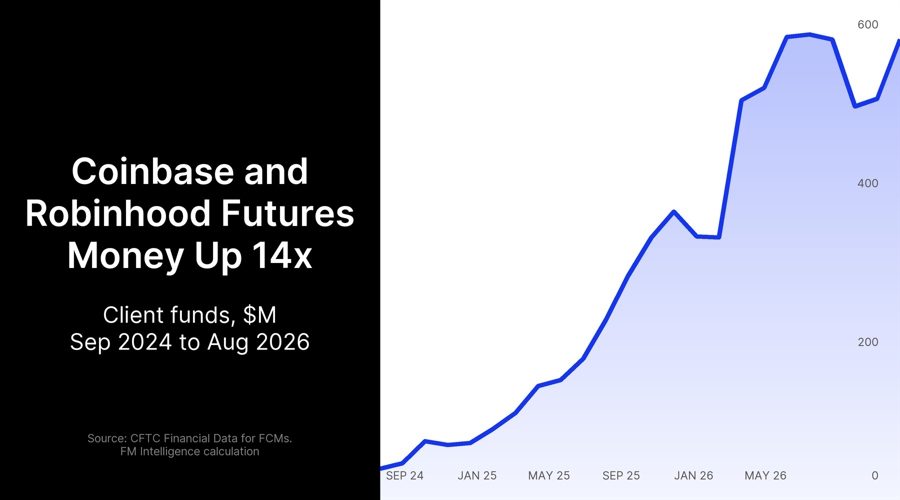
Coinbase and Robinhood Futures Arms Now Hold More Client Money Than the US Retail Forex Pool
The futures brokers of Coinbase and Robinhood held $581.4 million of segregated client money at the end of August. That is more th...

USDC traded $40.2 billion on DEXs during Q3 weekends while banks were closed
USDC's weekend DEX trading highlights the growing shift towards decentralized finance, challenging traditional banking's operation...

Standard Chartered brings Ripple’s RLUSD into banking custody after $765 million quarterly surge
Standard Chartered has launched custody for Ripple's RLUSD stablecoin as it prepares to expand its use as collateral for instituti...

South Korean Lender Jeonbuk Bank to Offer Bitcoin-Backed Loans
Bitcoin Magazine South Korean Lender Jeonbuk Bank to Offer Bitcoin-Backed Loans Jeonbuk Bank has become the first bank in South Ko...

South Korea’s Jeonbuk Bank Lends Won Against Bitcoin, Using Court Sales for Defaults
Jeonbuk Bank, a regional South Korean lender, has extended a corporate loan in won secured by Bitcoin, under a setup in which the...

Jeonbuk Bank launches South Korea’s first Bitcoin-backed loans for corporate clients
Jeonbuk Bank's Bitcoin-backed loans could catalyze broader crypto adoption in South Korea, influencing regulatory and financial la...