Russian Ministry: Fraudsters Using Citizens’ Smart Home Devices to Mine Crypto
A Russian ministry has issued a warning, claiming that fraudsters are using malware to infect citizens’ smart home devices with crypto mining malware.The Russian newspaper Izvestia reported that the Ministry of Internal...
Archive context
Older archive item. Useful for background and entity history, but not a fresh market-moving signal.
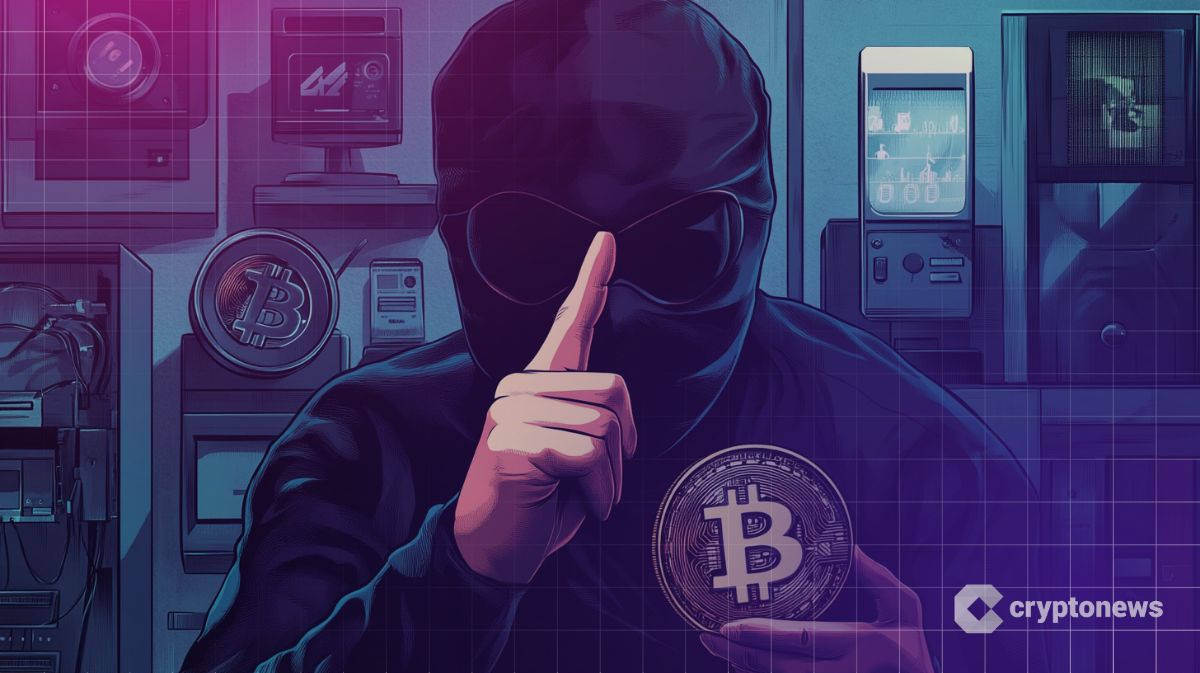
A Russian ministry has issued a warning, claiming that fraudsters are using malware to infect citizens’ smart home devices with crypto mining malware.
The Russian newspaper Izvestia reported that the Ministry of Internal Affairs says hackers try to “infect devices with malware” and “create a network” of smart devices.
Russian Ministry Explains How to Avoid Crypto Mining MalwareThe ministry said these “systems” can also “become a base for DDoS attacks, covert surveillance, and robberies.”
The Russian Ministry of Internal Affairs in Moscow. (Source: Lodo27 [CC BY-SA 3.0])Additionally, the ministry advised citizens to frequently change their smart home device passwords and network names.
It said that citizens should install their device’s latest firmware updates and “choose devices sold by market-leading companies.”
The ministry concluded by advising Russians to configure each of their smart home devices individually, rather than use group settings options.
The Kremlin said it won’t disclose details of 12 hours of negotiations between Russian and US officials in Saudi Arabia, sowing confusion about progress toward securing at least a partial ceasefire in the war in Ukraine https://t.co/haSF5KUNhk
— Bloomberg Politics (@bpolitics) March 25, 2025 Bogus Crypto Exchanges – a New Menace in Russia?Crypto-related fraud is on the rise in Russia, with criminals apparently growing ever more sophisticated in their methods.
The media outlet IA Sakha News reported on March 25 that public prosecutors in Yakutsk are investigating a case involving a resident who was allegedly duped into handing over around $4,600 to a gang of “fraudsters.”
Prosecutors think the gang have been “posing as employees of a crypto brokerage company,” and convincing residents to “invest in” a bogus crypto exchange.
The local prosecution service says it has launched a “criminal case,” and a wider investigation into the allegations.
South Africa's Astral Foods hit by cybersecurity incident https://t.co/YNaSOOtsXJ pic.twitter.com/5GUMs7W9Yv
— Reuters (@Reuters) March 24, 2025 Illegal Crypto Mining Dangers ContinueOutside the world of fraud, illegal crypto mining continues to cause problems for power providers and grid operators in areas such as the North Caucasus and Siberia.
Lake Baikal, in the Siberian oblast of Irkutsk, Russia. (Source: Aleksey Zadonsky [CC BY-SA 4.0])Areas such as Irkutsk, Russia’s first and biggest Bitcoin mining hotspot, have succeeded in convincing Moscow to issue bans on crypto mining in the winter months.
These bans operate in many parts of the country until 2031. But some officials appear to have suggested they are doing little to benefit Irkutsk.
The Central Bank of Russia has unveiled a proposal to allow qualified individuals to trade crypto within a three-year experimental period. #Russia #Cryptohttps://t.co/C8j6k8LqWr
— Cryptonews.com (@cryptonews) March 13, 2025While illegal miners do not abide by these bans, the measures may also be freeing up energy at times when end-users do not need extra power.
Speaking to the news outlet Kommersant on March 24, Ilya Brilliantov, the Acting General Director of the Irkutsk Electric Grid Company, said that in the territory of Priangarye (a region surrounding the River Angara), the ban had freed up 308 MW of capacity from “legal miners.”
However, Brilliantov said:
“This capacity was not in demand during the specified period. So consumers did not feel any effect of the ban in terms of the quality of electricity.”
‘Bans Are Having an Effect,’ Deputy Minister ClaimsBrilliantov further added that the seasonal ban had left the power firm with “about 800 million rubles ($9.5 million)” less revenue in the 2024-2025 fall-winter period than at other times of the year, as legal miners powered down their rigs.
Chita, in Transbaikal, Russia. (Source: Volker2602 [CC BY-SA 2.5])Elsewhere, local government officials have claimed that the bans are indeed having a palpable effect.
Kirill Gazayev, Transbaikal’s First Deputy Minister of Housing and Public Utilities, Energy, Digitization, and Communications, said that “the capacities freed up in the Irkutsk Oblast have increased the reliability of the energy system during the winter.”
Gazayev claimed that no legal miners are currently active in Transbaikal. He also said that his ministry’s investigations had not uncovered “any” illegal or quasi-legal crypto miners operating in the region.
The post Russian Ministry: Fraudsters Using Citizens’ Smart Home Devices to Mine Crypto appeared first on Cryptonews.
Why this matters
This cryptocurrency story adds another data point to the current market tape and is useful when read alongside nearby source coverage.
Original source
Read on CryptonewsRelated market context

Sberbank Lands on Both of Russia’s Crypto Registers With Bank of Russia Exchange Listing
Sberbank can now run crypto exchange services in Russia. The Bank of Russia put the bank on its register of crypto exchange operat...

Binance Closes Its Mining Pool and Cloud Mining, Gives Miners Four Weeks to Move Hashrate
Binance announced on Tuesday that it will shut down Binance Pool, its cryptocurrency mining pool, along with a set of related prod...
Australia’s Crypto Platforms Have Until 27 November to Mark ASIC’s Homework
Digital asset platforms in Australia will need an Australian financial services (AFS) licence, customer disclosure documents and p...

Binance Pulls the Plug on Bitcoin Mining After 6-Year Run
Binance, the world’s largest crypto exchange by trading volume, disclosed this week that the company’s mining operations will be s...

Binance to shut down mining pool, cloud mining and related services
Binance said it will shut down its mining pool, cloud mining, and Pool Savings services on Nov. 10.

BitFuFu and Finloop launch Hashrate Token, a BTC-denominated note tied to mining output
The launch of HASH tokens could democratize Bitcoin mining investments, but investors face risks from fluctuating mining outputs a...