SEC Settles FOIA Suit With Coinbase. Agency Pays $150,000 Over Lost Gensler Text Messages
The US Securities and Exchange Commission has agreed to pay $150,000 in legal fees to settle a Freedom of Information Act lawsuit brought by Coinbase. The suit closes a two-year dispute over internal records from the age...
Watchlist
Archive context. The story has cross-source confirmation.
The US Securities and Exchange Commission has agreed to pay $150,000 in legal fees to settle a Freedom of Information Act lawsuit brought by Coinbase.
The suit closes a two-year dispute over internal records from the agency's crypto enforcement campaign under former Chair Gary Gensler.
The agency's inspector general found in 2025 that text messages from a key period, including the aftermath of the FTX collapse, were lost after an automated policy triggered an enterprise wipe of his device.
"Unlike the SEC in the previous administration, this SEC acknowledges that what it did was wrong and wants to make sure it doesn't happen again," Paul Grewal, chief legal officer of Coinbase said in interview with Bloomberg.
FDIC Settled a Related Dispute in February
Coinbase's litigation targeted both the SEC and the Federal Deposit Insurance Corporation, arguing that regulators pressured banks to cut ties with crypto firms, a pattern the industry labelled "Operation Choke Point 2.0."
The FDIC settled its part of the case in February, paying more than $188,000 in legal fees and releasing correspondence that Coinbase said showed the agency discouraging banks from crypto-related activity.
SEC Has Dropped Several Crypto Cases since 2025
Since the change in administration, the SEC has dropped a series of major crypto enforcement actions, including its lawsuit against Coinbase, and is drafting rules that would let brokers offer blockchain-based stocks.
The settlement follows a run of 2026 crypto listings, including Circle, BitGo, and Bullish. For Coinbase, it closes one of the legal actions the company filed against federal regulators over their handling of crypto policy during 2022–2024.
The FDIC and SEC cases were part of the same litigation track; both have now been resolved through fee settlements rather than court rulings on the underlying FOIA claims.
This article was written by Tanya Chepkova at www.financemagnates.com.Why this matters
Coinbase is showing up inside the Regulation theme, so this story is worth tracking for follow-through rather than treating it as a one-off headline.
Original source
Read on Finance MagnatesRelated market context

Crypto Regulation: UK Lands £3.8Bn Bitcoin Seizure as Korea Blocks KuCoin and MEXC
In recent crypto regulation news, The High Court in London has strengthened the UK authorities’ position in a dispute over roughly...

Eclair merges fixes for Lightning flaws that could burn Bitcoin in fees
Eclair, ACINQ's Lightning node software, has merged two repairs for gaps that could make a node lose Bitcoin through excessive min...
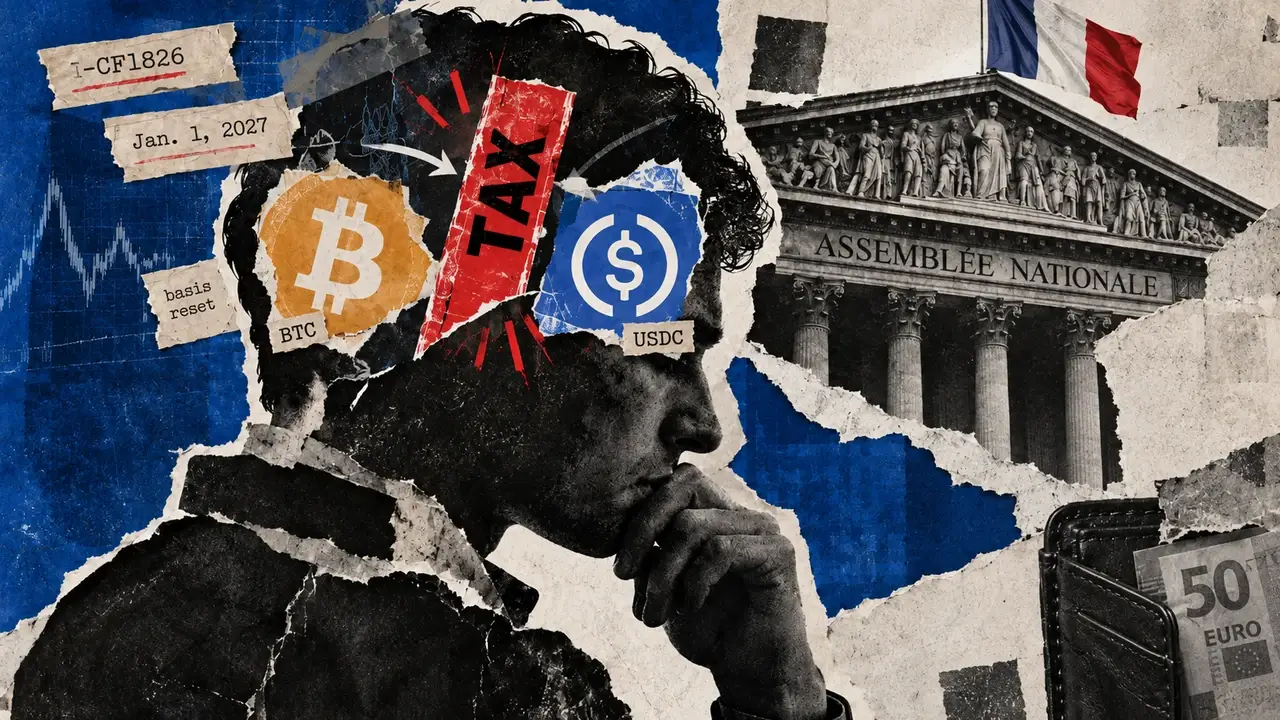
France’s tax proposal would tax Bitcoin-to-USDC swaps before investors cash out
France’s proposed crypto tax changes would make a move from Bitcoin or Ether into certain stablecoins a taxable disposal, even if...

Coinbase’s Base launches “Earn & Borrow” for Ethereum layer-2 apps
The integration could boost Ethereum's utility and market perception, potentially influencing its adoption and future valuation po...

Injective proposes fixed gas fees to make DeFi trading costs predictable
Injective's fixed gas fees could enhance DeFi trading efficiency, offering cost predictability and potentially attracting more hig...

CFTC to implement crypto exchange regulations without Clarity Act
The CFTC's independent regulatory move may reshape U.S. crypto oversight, highlighting potential shifts in federal-state regulator...