South Korea Caps Crypto Lending at 20% Interest, Bans Over-Collateralized Loans
The South Korea Financial Services Commission (FSC) has implemented comprehensive guidelines capping crypto lending interest at 20% annually while completely banning leverage services that exceed collateral value. Accord...
Archive context
Older archive item. Useful for background and entity history, but not a fresh market-moving signal.
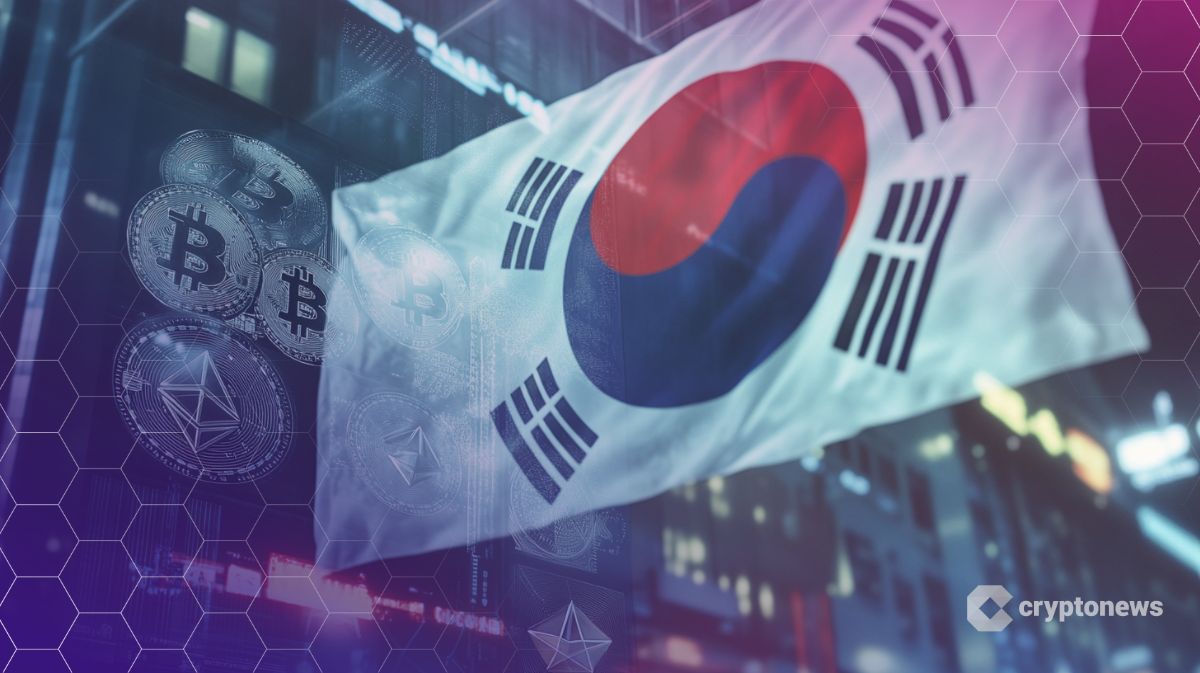
The South Korea Financial Services Commission (FSC) has implemented comprehensive guidelines capping crypto lending interest at 20% annually while completely banning leverage services that exceed collateral value.
According to a local report, the new self-regulatory framework takes effect immediately following concerns over investor harm from overheated exchange competition.
The Financial Services Commission announced the “Virtual Asset Lending Guidelines” today, September 5, developed with the Financial Supervisory Service and Digital Asset Exchange Association.
A Response to the Market Overheating ConcernsThe guidelines establish three core pillars: service scope restrictions, enhanced user protection, and market stability measures.
The regulatory intervention follows dramatic growth in crypto lending services since July.
Upbit introduced programs that allow users to borrow up to 80% of their deposit values, using Tether, Bitcoin, and XRP as collateral.
Rival Bithumb offered loans worth up to four times customer holdings before authorities intervened.
Financial authorities previously ordered the temporary suspension of all crypto lending services on August 18 due to concerns about regulatory gray areas.
South Korea has moved to rein in risky lending practices in the digital asset sector, ordering exchanges to suspend crypto lending services.#SouthKorea #Lendinghttps://t.co/u5z5OUVozo
— Cryptonews.com (@cryptonews) August 19, 2025Subsequent inspections revealed that approximately 27,600 investors borrowed 1.5 trillion won ($1.1 billion) in one month alone, with 13% facing forced liquidation due to market volatility.
Seoul Slams the Brakes on Risky LendingThe new guidelines impose sweeping restrictions on virtual asset lending operations.
Particularly, leveraged lending exceeding collateral value is completely prohibited, while Korean won cash lending services are entirely banned. Exchanges must utilize only their own assets for lending operations.
Third-party consignment or collaborative lending arrangements are also strictly prohibited under the framework.
This eliminates indirect lending models that previously operated through external partnerships or delegated structures.
Lending eligibility is restricted to the top 20 cryptocurrencies by market capitalization or assets listed on three or more Korean won exchanges.
Assets subject to trading restrictions or suspected abnormal trading activity face exclusion from lending programs.
Notably, among the implemented user protection measures are mandatory online training and aptitude tests for first-time borrowers through DAXA-sponsored programs.
Lending limits range from 30 million to 70 million won based on individual trading experience and transaction history.
The 20% annual commission rate cap applies across all lending products, while exchanges must publicly disclose loan status by product and forced liquidation instances.
Similarly, internal control mechanisms must be implemented to prevent excessive price fluctuations from concentrated positions in specific assets.
Market impact considerations guide asset selection for lending programs under the stability framework.
Regulators Play Global Catch-Up GameThe August 18 suspension order preceded comprehensive on-site inspections conducted from August 26 to September 2.
The Financial Supervisory Service assessed user protection measures while forming task forces with DAXA and relevant organizations to develop global best practices.
The crackdown occurs alongside broader regulatory developments. South Korea officially joined the OECD’s Crypto-Asset Reporting Framework, requiring exchanges to share transaction data with tax authorities starting in 2027.
South Korea will share crypto transactions by non-residents on local exchanges such as Upbit and Bithumb, with countries worldwide.#SouthKorea #CryptoTransaction #SouthKoreaCryptohttps://t.co/ZD56JHeM9H
— Cryptonews.com (@cryptonews) September 2, 2025Domestic exchanges, including Upbit and Bithumb, must report personal information and transaction data for residents of partner countries beginning next year.
The Ministry of Economy and Finance plans to issue administrative notices this month detailing CARF implementation regulations.
The framework aims to prevent offshore tax evasion while increasing transparency through automated information exchange systems.
As a result of improving regulations, Binance CEO Richard Teng has scheduled a visit next week, aiming to discuss regulatory cooperation as authorities prepare for spot crypto ETF approvals and develop Korean won-pegged stablecoin frameworks.
This comes as the exchange received its second Certificate of Appreciation from the Korean National Police Agency for its efforts in cybercrime prevention.
While adoption is growing across verticals, FSC chairman nominee Lee Eok-won faces criticism for investing in MicroStrategy shares while maintaining that crypto has “no intrinsic value.”
The FSC chairman nominee confirmation hearing revealed investments in US stocks, including MicroStrategy, drawing criticism from lawmakers promoting domestic market growth.
The criticism intensified due to his belief that Bitcoin lacked intrinsic value, despite the global trend of corporate adoption.
Looking forward, President Lee Jae-myung’s administration is expected to continue developing crypto regulations, including the ongoing Korean won-pegged stablecoin frameworks, despite current restrictions on lending services.
The post South Korea Caps Crypto Lending at 20% Interest, Bans Over-Collateralized Loans appeared first on Cryptonews.
Why this matters
This cryptocurrency story adds another data point to the current market tape and is useful when read alongside nearby source coverage.
Original source
Read on CryptonewsRelated market context

XRP Price Eyes New Catalyst as Ripple Partners With South Korea’s Meritz
Ripple and South Korean brokerage Meritz Securities have signed a strategic partnership to assess Ripple Custody and Ripple’s toke...

Securitize Teams With Korea’s LG CNS to Explore Tokenized Funds and Stablecoins
Securitize and Korean technology company LG CNS announced a strategic partnership, set out in a memorandum of understanding, aimed...

Blockchain and digital asset news outlet Cointelegraph explores sale: Report
Cointelegraph's traffic collapse highlights the risks of SEO penalties, impacting brand value and posing challenges for potential...
Tether, Kazakhstan cenbank mull tenge stablecoin and asset tokenization
The agreement will explore a tenge-backed stablecoin pilot and a framework for tokenizing real-world assets as Kazakhstan expands...

Tether Celebrates 12 Years, USD₮ Surpasses 700M Users
Key Takeaways: Tether marked the 12th anniversary of the world’s largest stablecoin by market cap, USD₮. The company claims that U...

Bitcoin Price Set for a Boost: Arthur Hayes Bets on an AI Boom Bust
As Bitcoin price slid toward $83,800, $4000 million in leveraged crypto longs were liquidated within one hour. This is a sharp rem...