South Korea Launches ‘Emergency’ Investigation Into Collapse of LUNA and UST
South Korea’s top financial regulators have launched an emergency investigation into the collapse of cryptocurrency LUNA and stablecoin UST. The authorities have asked domestic cryptocurrency exchanges to provide informa...
Archive context
Older archive item. Useful for background and entity history, but not a fresh market-moving signal.
South Korea’s top financial regulators have launched an emergency investigation into the collapse of cryptocurrency LUNA and stablecoin UST. The authorities have asked domestic cryptocurrency exchanges to provide information relating to transactions and investors of the two coins.
South Korea’s Emergency Investigation Into LUNA, UST
South Korea has launched an “emergency” investigation of domestic crypto exchange operators following the collapse of the terrausd stablecoin (UST) and terra (LUNA) cryptocurrency, Yonhap News reported Tuesday, citing unnamed sources.
Last week, UST lost its peg to the U.S. dollar, sending its price and the price of terra (LUNA) into free fall. At the time of writing, UST is trading at less than $0.09 while LUNA is near worthless.
South Korean top financial regulators, the Financial Services Commission (FSC) and the Financial Supervisory Service (FSS), have asked local cryptocurrency exchange operators to share information relating to UST and LUNA, sources told the news outlet.
An official of a local crypto exchange operator was quoted as saying:
Last week, financial authorities asked for data on the amount of transactions and investors, and sized up the exchanges’ relevant measures.
“I think they did it to draw up measures to minimize the damage to investors in the future,” the exchange official said.
The information requested by the authorities includes trading volumes, closing prices, and numbers of relevant investors, the publication noted, adding that the regulators also asked the exchange operators to provide their countermeasures to the recent crypto market crash and analyses of the cause of the collapse.
UST and LUNA were invented by Kwon Do-hyung (aka Do Kwon), a South Korean national. His company, Terraform Labs, is incorporated in Singapore. Since the collapse of the two cryptocurrencies, Kwon has come up with a few plans to revive the coins but none has worked so far.
Kwon’s wife reportedly sought police protection after an unidentified man trespassed into their apartment building in South Korea. According to media reports, the man was subsequently identified as an investor who lost roughly $2 million in LUNA’s collapse.
What do you think about South Korea launching an investigation into UST and LUNA after the two cryptocurrencies collapsed? Let us know in the comments section below.
Why this matters
This cryptocurrency story adds another data point to the current market tape and is useful when read alongside nearby source coverage.
Original source
Read on Bitcoin NewsRelated market context
Binance Details $6.3B Hot-Wallet Breach as Exchange Pledges to Cover Losses
TL;DR: The company reported approximately $3 billion of affected assets frozen on-chain through coordination with issuers, investi...
Blockchain Firms Link North Korea to $6.3 Billion Binance Hack
Bitcoin Magazine Blockchain Firms Link North Korea to $6.3 Billion Binance Hack Blockchain analysis firms Chainalysis and TRM Labs...
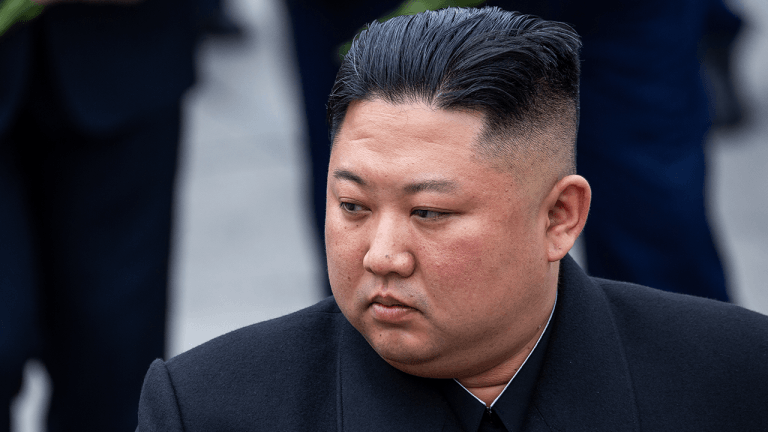
Kim Jong Un and North Korea Memes Flood X After Binance’s $6.3B Hack
Crypto Twitter on the social media platform now called X has found its latest villain-turned-comedian in Kim Jong Un. Following th...

Binance Hack: CZ Fires Back at Elon Musk, Cites $1B SpaceX Stake as Coinbase Offers Security Support
The dispute unfolded as Binance worked to contain the October 29 attack, freeze affected assets, and reassure customers that their...
FBI links $6B Binance hack to North Korea’s TraderTraitor group
The hack underscores the urgent need for enhanced cybersecurity measures in the crypto industry, potentially affecting market stab...
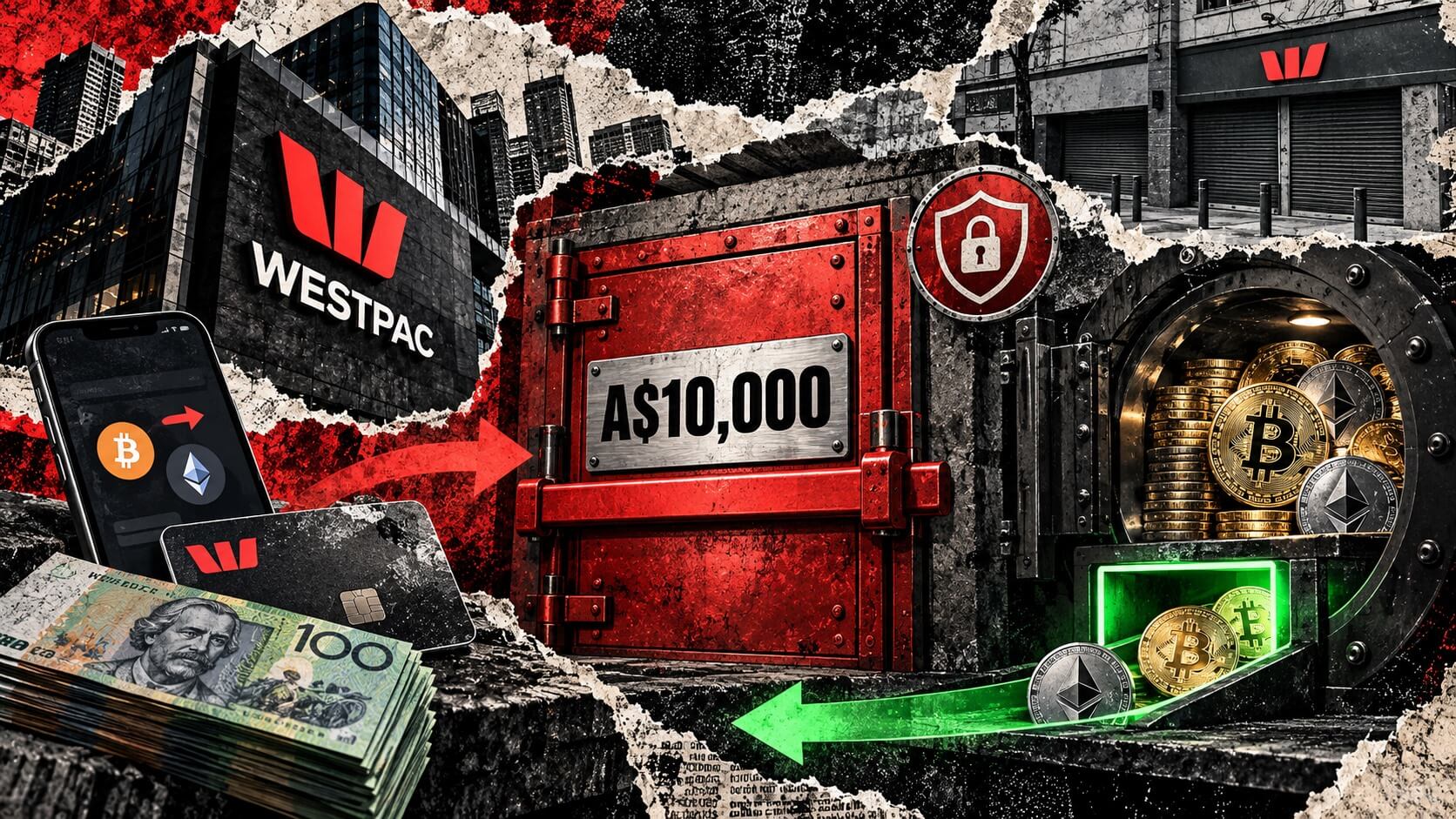
Westpac limits crypto exchange deposits driven by fraud rules
From December 1, 2026, the bank may combine payments to identified exchanges across relevant accounts and methods under one monthl...