South Korean Government Calls for Voluntary Regulations From Crypto Industry
The executive power and the ruling party in South Korea have urged the cryptocurrency industry for what officials describe as voluntary regulatory measures, a Korean media report revealed. The call was issued during a co...
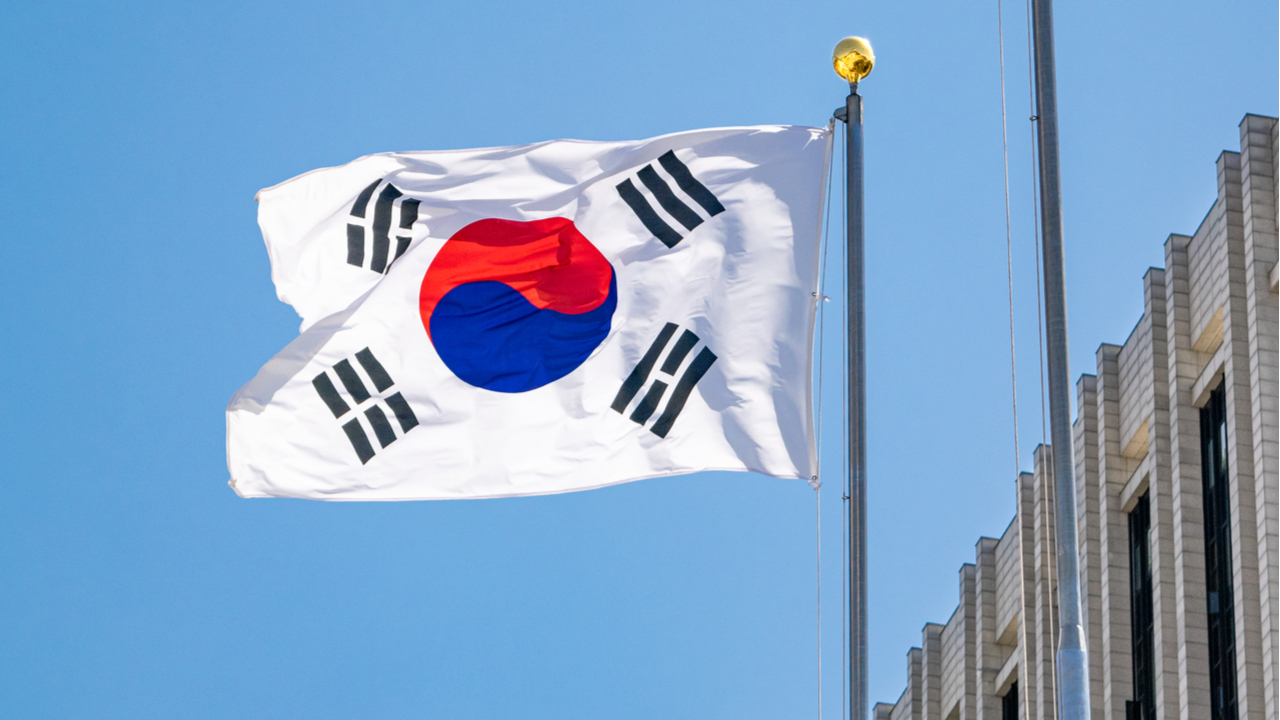
The executive power and the ruling party in South Korea have urged the cryptocurrency industry for what officials describe as voluntary regulatory measures, a Korean media report revealed. The call was issued during a consultative meeting devoted to crypto assets.
Government Asks South Korean Crypto Sector for Regulatory ProposalsRepresentatives of the South Korean government and the ruling People Power Party met on Monday to discuss issues related to the crypto space. The consultations were held in the aftermath of last month’s collapse of the terrausd (UST) algorithmic stablecoin and its sister coin terra (LUNA) that affected many South Koreans.
Aiming to prevent the negative consequences of such crashes and better protect investors, Korean officials and lawmakers are now considering the adoption of a new law for blockchain-based platforms, Arirang unveiled. They also urge the crypto industry to come up with its own regulations that would include safety mechanisms.
The report by the English-language TV network noted that South Korea’s crypto assets market stood at 55.2 trillion Korean won, or around $43 billion, at the time of writing. Furthermore, 24 cryptocurrency exchanges licensed in the country process a daily average of 11.3 trillion won (over $8.7 billion) in transactions, reflecting the rapid growth of the market in the past few years.
South Korean authorities, however, think that current regulations are insufficient as a response to the rapid expansion. That’s why the government and South Korea’s leading political force are calling on the sector to propose “voluntary regulatory measures” while many other nations are looking into the impact of digital currencies on their financial systems and economic policies.
More than a dozen crypto-related bills are now pending in the Korean National Assembly, Arirang added, and the country’s Financial Services Commission is planning to propose more legislation tailored to protect investors from the swings of the crypto market.
At the same time, the Governor of the Financial Supervisory Service Lee Bok-hyun has been quoted as emphasizing the need for a reasonable regulation system. Such as would allow the crypto asset market to have what he described as responsible growth.
Do you expect the Korean crypto industry to propose its own regulations? Tell us in the comments section below.
Original source
Read on Bitcoin NewsRelated market context
Jason Yanowitz: Transparency and trust are vital for crypto growth, tokenization is reshaping financial markets, and regulation is necessary for industry maturity | Bell Curve
Tokenizing assets could revolutionize financial markets by bringing infrastructure on-chain and enhancing transparency. The post J...
US government proposes nuclear dismantling agreement with Iran, and crypto markets are paying attention
The proposed nuclear deal could reshape geopolitical dynamics, impacting global oil markets and influencing cryptocurrency volatil...
SEC Plan to Scrap Rule 611 Could Be the Biggest Regulatory Unlock Yet for Crypto Tokenized US Stocks
The SEC just removed the single biggest legal obstacle standing between Crypto DeFi and US equity markets. On June 11, the agency...

Tim Scott predicts $30T crypto market cap with regulatory clarity
Regulatory clarity could unlock significant institutional investment, potentially transforming the crypto market into a major fina...
North Korea declares denuclearization irreversibly terminated, raising stakes for crypto security
North Korea's stance heightens geopolitical tensions and underscores the urgent need for enhanced cybersecurity measures in the cr...

Israeli military strikes Beirut’s southern suburbs as crypto markets react to escalating Middle East tensions
Escalating Middle East tensions risk broader regional conflict, impacting global markets and complicating diplomatic efforts and e...