South Korea’s Second-Largest City Aims to Become a Crypto Hub
South Korea’s second-largest city, Busan, is making efforts to become a crypto hub. Busan has been designated by the Korean government as a “super-aged” city, and its officials believe that crypto could help turn things...
Archive context
Older archive item. Useful for background and entity history, but not a fresh market-moving signal.

South Korea’s second-largest city, Busan, is making efforts to become a crypto hub. Busan has been designated by the Korean government as a “super-aged” city, and its officials believe that crypto could help turn things around by attracting young people, tech startups, and investors.
South Korean City Wants to Become a Crypto HubThe second-largest city in South Korea, Busan, is making efforts to position itself as a crypto hub, Bloomberg reported Monday. The port city is facing demographic challenges as it has been designated as a “super-aged” city by the Korean government, meaning that more than 20% of its population is 65 years old or older.
Busan city officials believe that by embracing cryptocurrency, the city can attract young people, technology startups, and investment from venture capital firms.
Noting that younger people prefer to work in areas such as crypto, Park Kwang-hee, head of the finance and blockchain division at Busan’s metropolitan government, was quoted by the publication as saying:
We thought it was right to focus on digital assets and financial products.
Park noted that despite the collapse of crypto exchange FTX in November last year, Busan remains committed to its plans to become a crypto hub.
The city has entered into memorandums of understanding with several of the world’s largest cryptocurrency exchanges, including Binance Holdings Ltd., to launch the Busan Digital Asset Exchange by the end of this year. Binance said last August that as part of the agreement, Busan will “receive technological and infrastructure support from Binance” and the two exchanges will share their order books.
Busan Digital Asset Exchange also plans to venture into security tokens. The South Korean government is considering permitting the issuance of such tokens in the coming year, reversing its 2017 ban on all initial coin offerings (ICOs).
Moreover, Busan’s drive to become a hub for cryptocurrencies includes attracting blockchain companies. In 2019, the city became a regulation-free zone for blockchain testing and related business development. It currently backs six projects by 17 companies. In December last year, 15 more blockchain firms moved into the Busan International Finance Center, bringing the total number of companies to 29.
What do you think about Busan making efforts to become a crypto hub? Let us know in the comments section below.
Why this matters
This cryptocurrency story adds another data point to the current market tape and is useful when read alongside nearby source coverage.
Original source
Read on Bitcoin NewsRelated market context

South Korea Faces Fresh Push To Delay Crypto Gains Tax Until 2029
South Korea is approaching another decision point on its long-delayed cryptocurrency gains tax, with exchanges and policymakers pr...
South Korea to meet crypto exchanges amid calls for tax delay
The potential tax delay in South Korea may boost short-term crypto market confidence, affecting asset prices and regulatory percep...
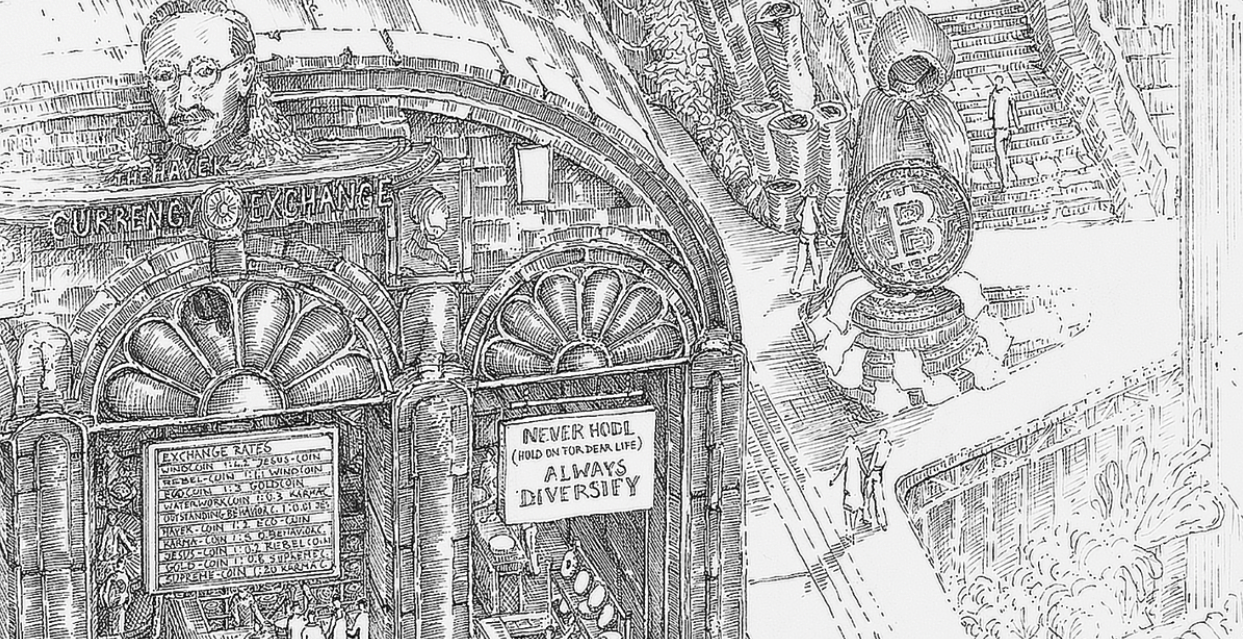
The Architecture of Money: Mapping Financial Power in the Age of Bitcoin
Bitcoin Magazine The Architecture of Money: Mapping Financial Power in the Age of Bitcoin Money determines where we live, what we...
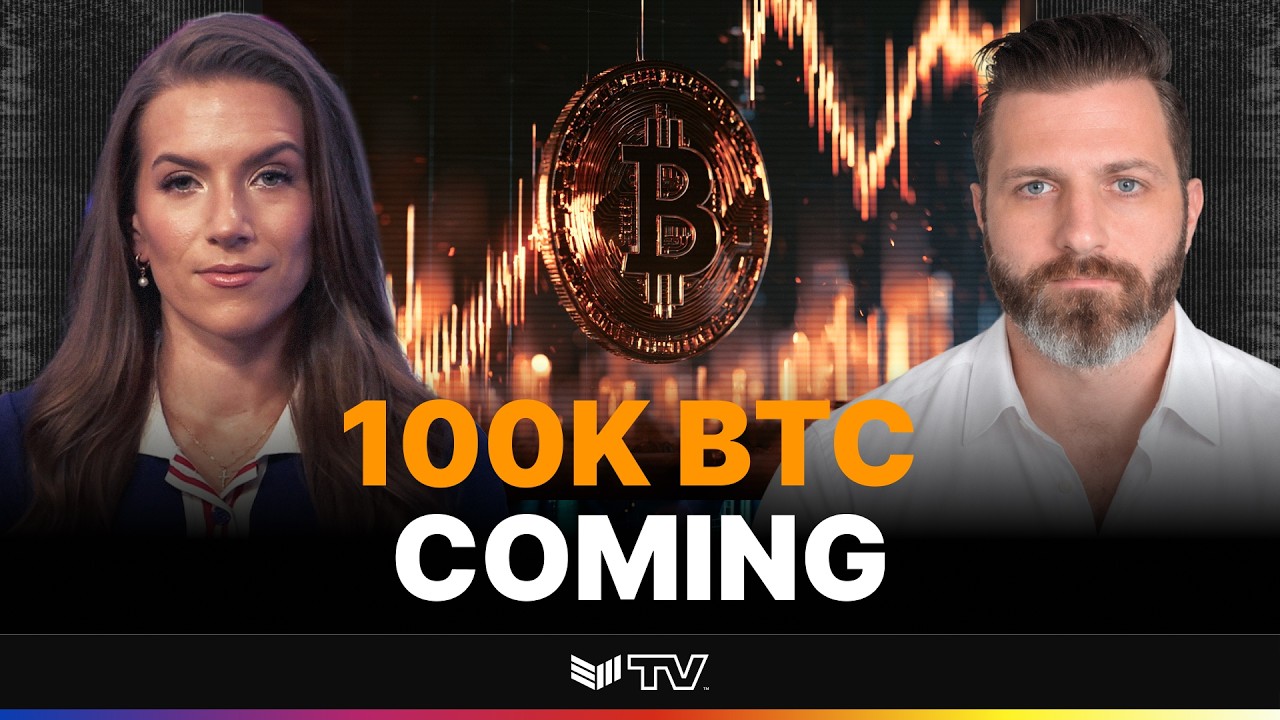
Fundstrat Analyst Sean Farrell: Bitcoin to $100k by Year End + MSTR MSCI Exclusion
Bitcoin Magazine Fundstrat Analyst Sean Farrell: Bitcoin to $100k by Year End + MSTR MSCI Exclusion Where is Bitcoin headed by yea...

Now Accepting Bitcoin: Gyros, Cocas, and 219 Arizona Bitcoin Merchants
Bitcoin Magazine Now Accepting Bitcoin: Gyros, Cocas, and 219 Arizona Bitcoin Merchants Table of ContentsFirst Stop: Pita Cafe (23...

Uniswap becomes first DeFi token with futures on CME Group
The CME listing of UNI futures enhances institutional access to DeFi, potentially increasing market liquidity and influencing pric...