Study: 77% of Saudis Aware of Cryptocurrencies, Only 18% Currently Buying and Selling
More than three-quarters of Saudi Arabian residents are aware of cryptocurrencies, a new Yougov survey has found. However, the study also found that only 18% of those surveyed are presently buying and selling cryptocurre...
Archive context
Older archive item. Useful for background and entity history, but not a fresh market-moving signal.
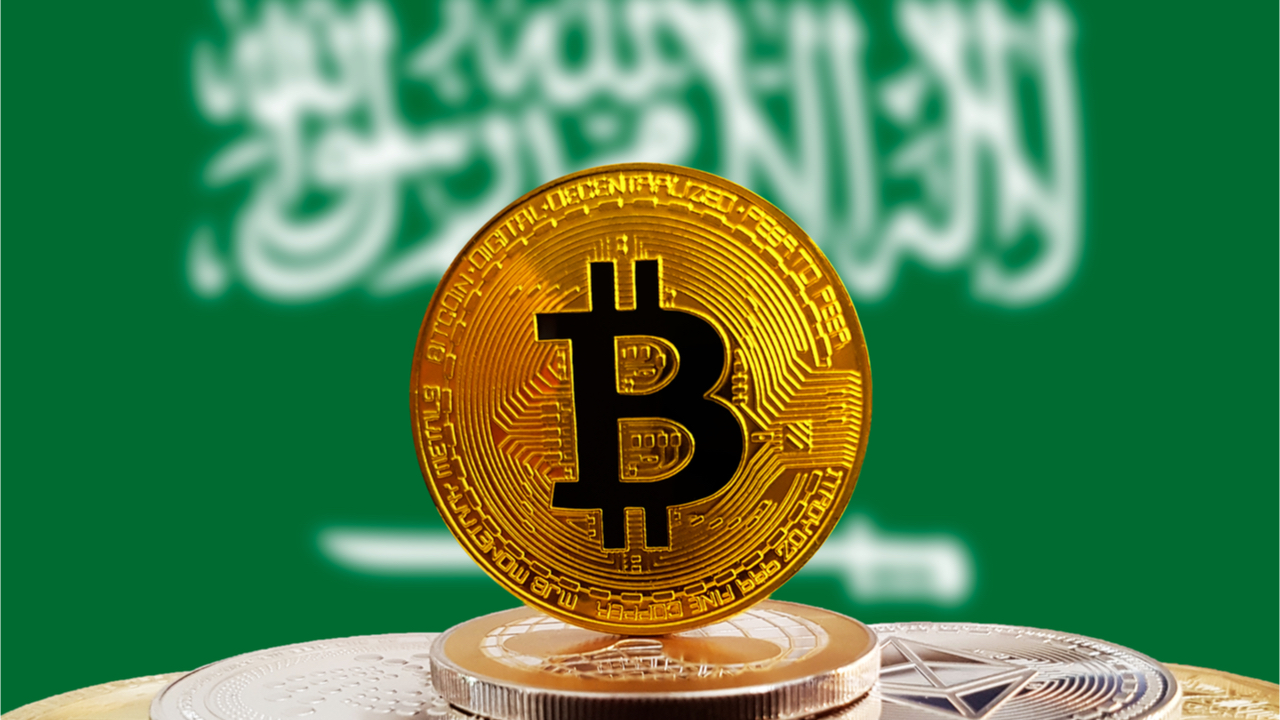
More than three-quarters of Saudi Arabian residents are aware of cryptocurrencies, a new Yougov survey has found. However, the study also found that only 18% of those surveyed are presently buying and selling cryptocurrencies.
Easy Accessibility of Virtual CoinsAccording to the findings of a Yougov survey, about 77% of Saudi Arabian residents are aware of cryptocurrencies, which suggests that the asset class “has generated a fair amount of awareness.” The study data, on the other hand, shows that only 18% of those surveyed confirmed they are buying and selling cryptocurrencies.
As shown in the study data, while younger Saudis are currently dominating crypto trading in the kingdom, the findings show that older Saudis also “plan to deal in it.”
Concerning the factors that motivate Saudi residents to invest or trade cryptocurrencies, the study found that almost half of the respondents cite their accessibility. The report states:
Currently, the key motivation for most Kingdom of Saudi Arabia [KSA] residents who either invest or plan to invest in digital currencies is the easy accessibility of virtual coins for trading (49%).
According to the study, 43% of the respondents that already buy and sell crypto assets point to the “high returns” on investments as the other key motivator. The study notes that “this aspect has a higher appeal among 45+ adults as compared to the rest.”
Barriers Stopping Saudis From Investing in CryptoAbout 38% of Saudi residents that buy and sell cryptocurrencies also cite the need “to diversify my investment portfolio” as another key motivator. About 13% of those investing in cryptos said they are doing so because friends or family that benefited recommended it.
Meanwhile, the study findings suggest that a significant number of Saudis — 37% of those surveyed — cite the volatility of cryptocurrencies as one of their top reasons for not buying in. Some 36% cite their lack of experience as a reason for not investing in cryptocurrencies and 31% felt “it is not a legal mode of investment.”
Only 15% of those surveyed thought investing in cryptocurrencies was against their religion, while 13% said the assets pose a cybersecurity risk.
What are your thoughts on this study’s findings? Tell us what you think in the comments section below.
Why this matters
This cryptocurrency story adds another data point to the current market tape and is useful when read alongside nearby source coverage.
Original source
Read on Bitcoin NewsRelated market context

Ethereum Developers Merge Glamsterdam Fix to Keep Validator Deposits Out of Builder Accounts
Ethereum developers merged a fix on Oct. 26 for a Glamsterdam bug that could have credited a staker’s validator deposit to someone...
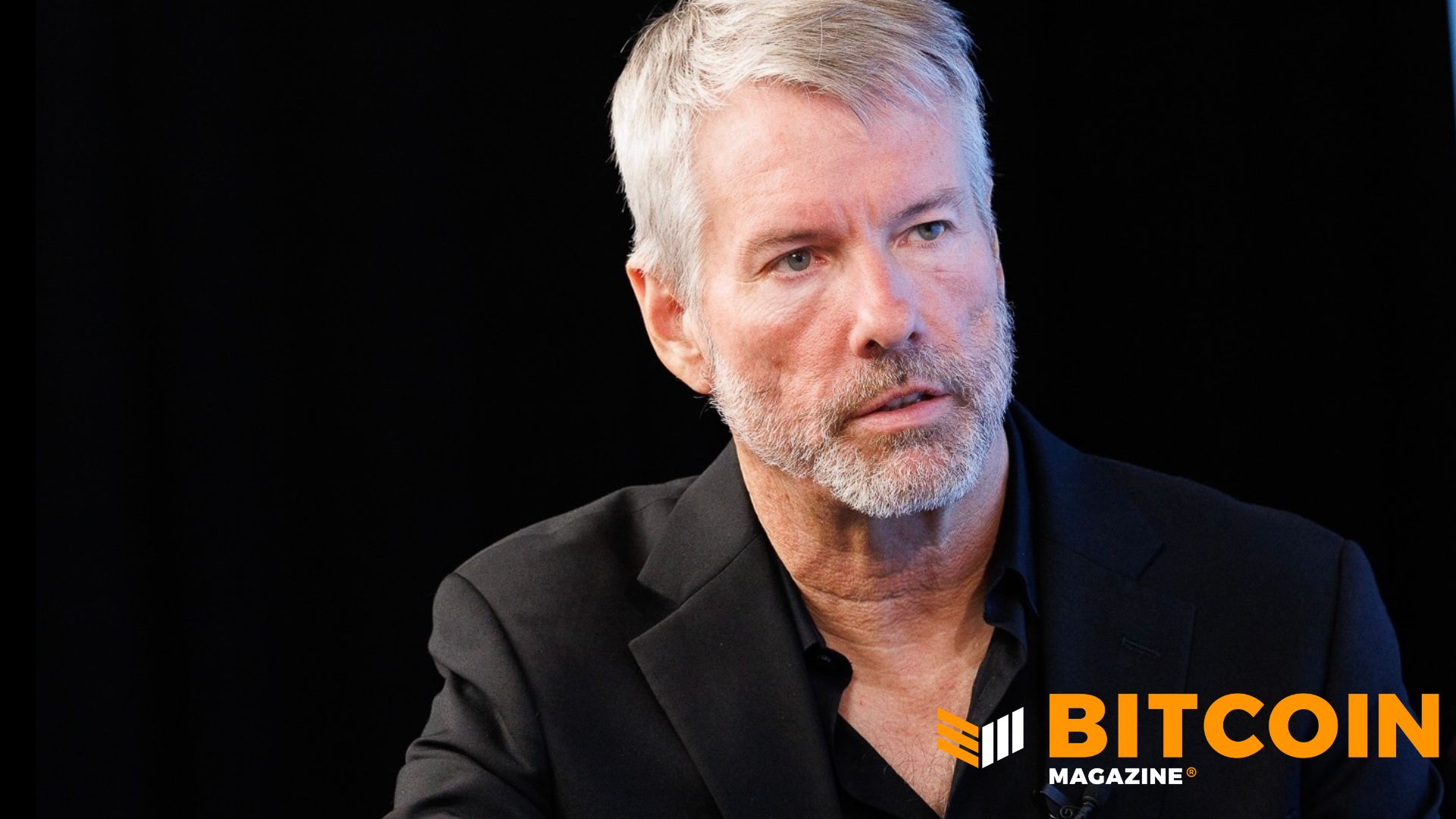
Strategy (MSTR) Pauses Bitcoin Buying and Spends $205 Million on Preferred Stock
Bitcoin Magazine Strategy (MSTR) Pauses Bitcoin Buying and Spends $205 Million on Preferred Stock Strategy reported no bitcoin pur...

Solana ranks second in DEX spot volume for 14th week, trailing only Binance
Solana's sustained DEX volume dominance over CEXs highlights a shift towards decentralized trading, potentially influencing market...

Strategy repurchases $205 million of STRC stock, skips Bitcoin buying ahead of Fed rate call
Strategy's pause in Bitcoin buying amid Fed rate decisions highlights the impact of monetary policy on corporate cryptocurrency st...

Ripple Study Finds Banks Could Unlock $100M Beyond Crypto Custody
Digital asset services and custody choices could improve a regional bank’s financial results by up to $100 million, according to r...
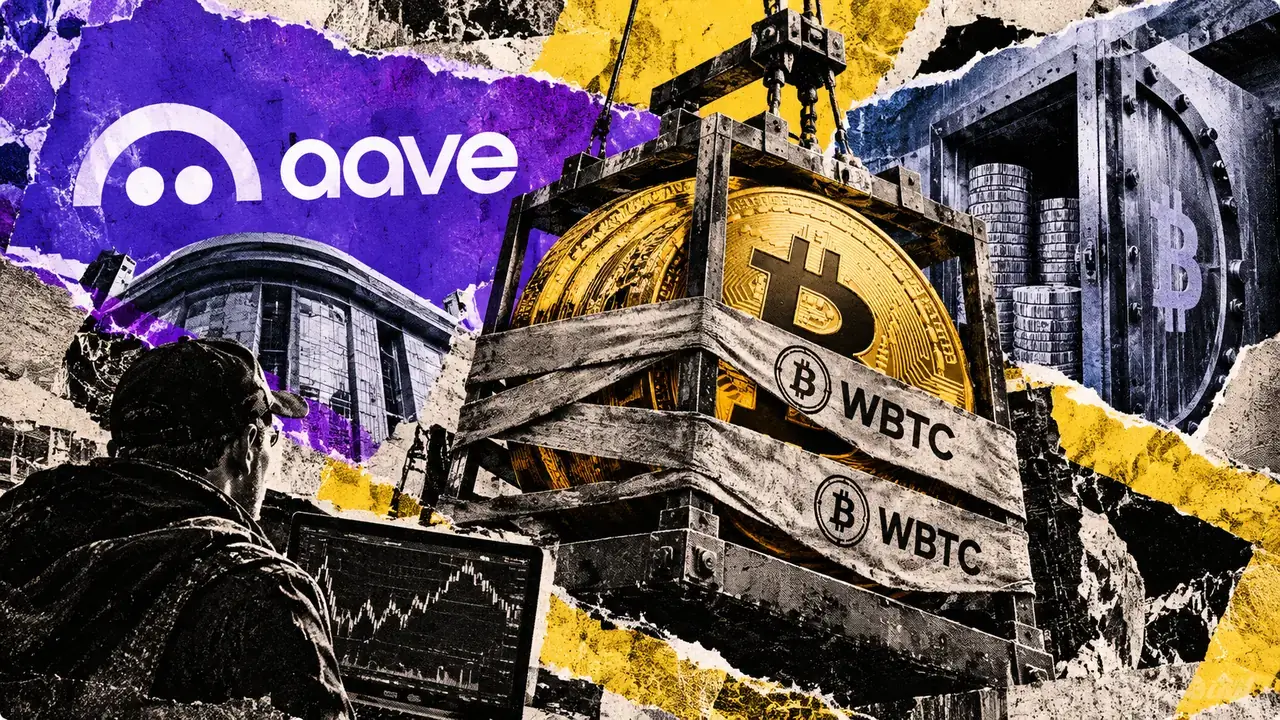
3 payment rules control Aave’s native Bitcoin market, but only WBTC settles them
Babylon’s proposed direct route can bypass pool funding, while fees, borrower surplus and WBTC-denominated debt retain separate pa...