Tether, Binance and a $1.5 billion Iran oil network converge in new US forfeiture case
US prosecutors are seeking to seize $61 million in Tether’s USDT tied to alleged black-market Iranian oil sales. On Sept. 14, the US Attorney’s Office for the Southern District of New York filed a civil forfeiture compla...
Archive context
Older archive item. Useful for background and entity history, but not a fresh market-moving signal.
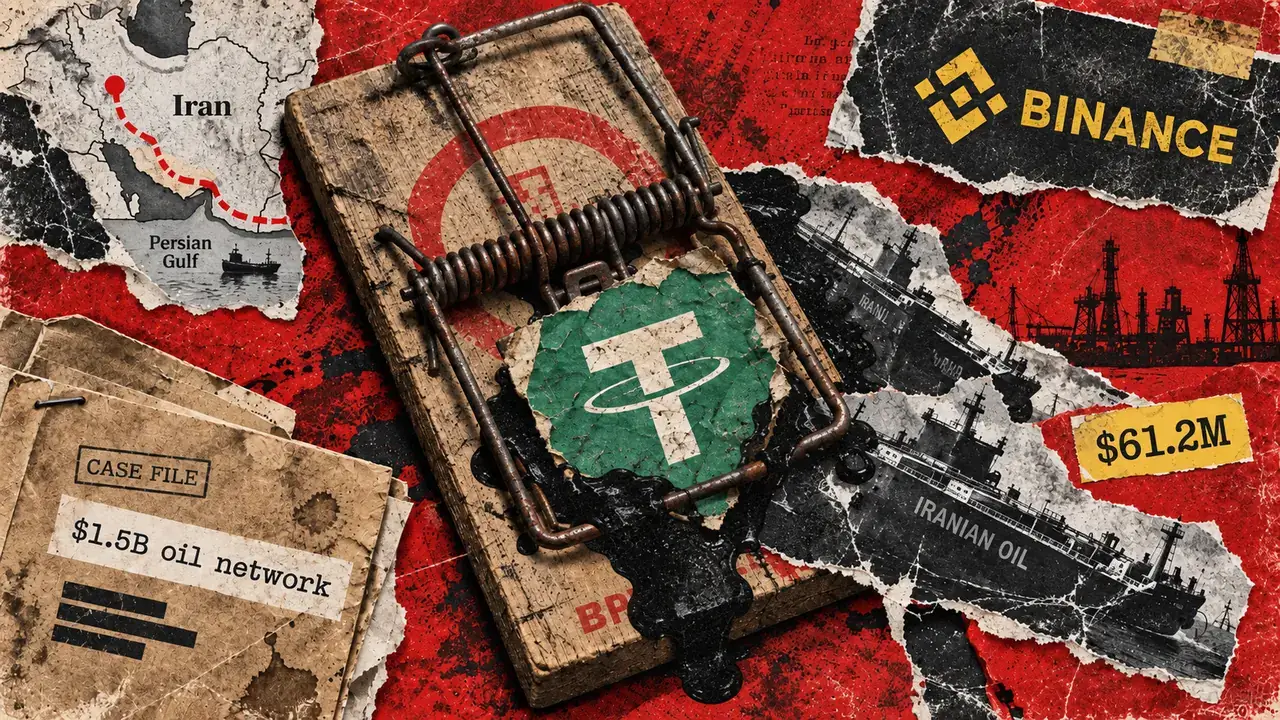
US prosecutors are seeking to seize $61 million in Tether’s USDT tied to alleged black-market Iranian oil sales.
On Sept. 14, the US Attorney’s Office for the Southern District of New York filed a civil forfeiture complaint targeting approximately 61.2 million USDT across 10 Tron addresses. Prosecutors allege the funds came from Iranian crude and petroleum sales intended to benefit the country’s government and military, including the Islamic Revolutionary Guard Corps (IRGC).
The tokens were already immobilized. Tether froze seven of the targeted addresses in June 2025 and another three in July. A seizure warrant issued this week now authorizes federal agents to move the value into government custody.
Executing that warrant would depend on Tether’s control over USDT. The stablecoin issuer would burn the frozen tokens and issue replacements of the same value for transfer to an FBI-controlled hardware wallet, according to the complaint.
The mechanism gives US authorities a route from identifying sanctioned funds on-chain to taking custody without obtaining the private keys controlling the original wallets. It also extends a growing enforcement relationship between US agencies and the issuer of the world’s largest stablecoin.
Days before the Iran filing, Tether said the Justice Department credited it with assisting in a separate action involving more than $52 million linked to Xinbi Guarantee, an alleged money-laundering marketplace.
Tether says it has worked with more than 340 law-enforcement agencies across 67 countries and helped freeze more than $5 billion tied to suspected illicit activity.
The Xinbi action is unrelated to the Iranian case, but both developments show how issuer-controlled stablecoins can become enforcement chokepoints once authorities identify funds they want restrained.
Prosecutors trace $1.5 billion oil network through BinanceMeanwhile, the $61 million seizure represents a fraction of the wider network investigators described.
Prosecutors said a cluster of at least seven interconnected addresses, referred to as “Entity A,” received and distributed more than $1.5 billion in proceeds from alleged illicit Iranian oil sales. The addresses allegedly sent cryptocurrency to Iran-based exchange Nobitex and to Middle Eastern money transmitters investigators believe were IRGC fronts.
Hong Kong-incorporated Blessed Trust Limited and Hexa Whale Trading Limited allegedly helped convert oil-sale proceeds from fiat currency into cryptocurrency and move the funds through trading accounts at Binance, the largest crypto trading exchange. Blessed Trust presented itself as a wealth-management or digital-asset custody business, while Hexa Whale described itself as a commodities broker, prosecutors said.
The alleged network also touched conventional US banking channels. One unnamed company sent approximately $37.15 million to Hexa Whale through US correspondent accounts in March and April 2024, according to the complaint.
The same company allegedly sent another $443.49 million to Blessed Trust between November 2024 and March 2025 through correspondent accounts. Those transfers form part of prosecutors’ reconstruction of the wider financing network and are separate from the $61 million of USDT now targeted for forfeiture.
Binance is not accused of wrongdoing in the case, a distinction Chief Executive Richard Teng emphasized after the filing became public. He noted:
“This case was not filed against Binance and does not allege any wrongdoing by Binance.”
He said the exchange has “zero tolerance” for sanctions violations or illicit activity and had cooperated with law enforcement since the matter was first raised months ago. Binance investigates, restricts or freezes accounts where sanctions or illicit-finance risks emerge, offboards users when appropriate and reports them to authorities, Teng added.
Related Reading US sanctions exposed a $6.3 billion crypto pipeline linking Iran and RussiaHis response draws a boundary between alleged actors using Binance accounts and the exchange knowingly facilitating their activity. It also highlights another enforcement point in the network: exchanges can restrict users and accounts, while Tether can immobilize the underlying stablecoins themselves.
The post Tether, Binance and a $1.5 billion Iran oil network converge in new US forfeiture case appeared first on CryptoSlate.
Why this matters
Tether is showing up inside the Stablecoins theme, so this story is worth tracking for follow-through rather than treating it as a one-off headline.
Original source
Read on CryptoSlateRelated market context
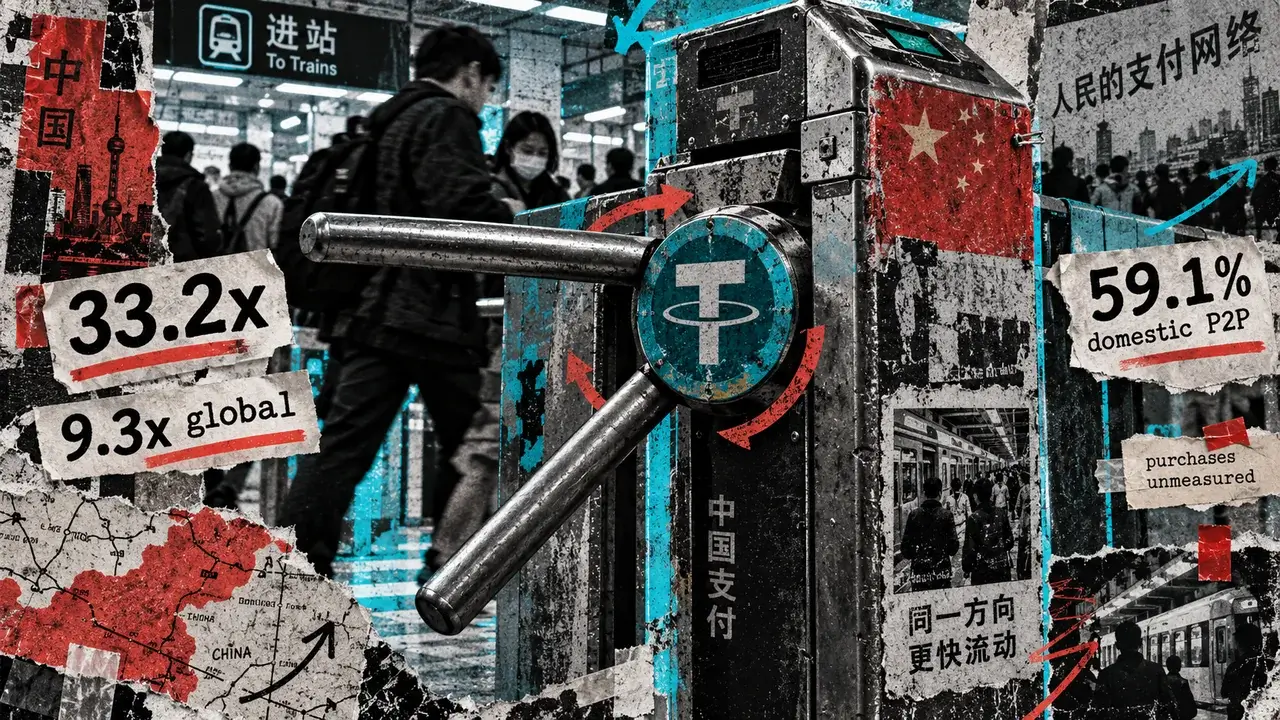
China’s crypto ban Is failing to stop a $176 billion P2P economy
China’s underground crypto economy is increasingly shifting toward peer-to-peer stablecoin payments despite Beijing’s longstanding...

Bringin Opens Euro Business Accounts for Bitcoin Companies Across 30 European Countries
Bitcoin Magazine Bringin Opens Euro Business Accounts for Bitcoin Companies Across 30 European Countries Bringin today opened an i...

Crypto Licensing Enters a New Era as Global Regulations Accelerate in 2026
The global digital asset industry is entering a defining chapter as governments and financial regulators continue to introduce com...

Circle, Ripple and Hedge Fund QRT Back Crypto Exchange OKX at $25 Billion Valuation
Stablecoin issuer Circle, Ripple, Standard Chartered’s investment arm SC Ventures and London-based hedge fund Qube Research & Tech...
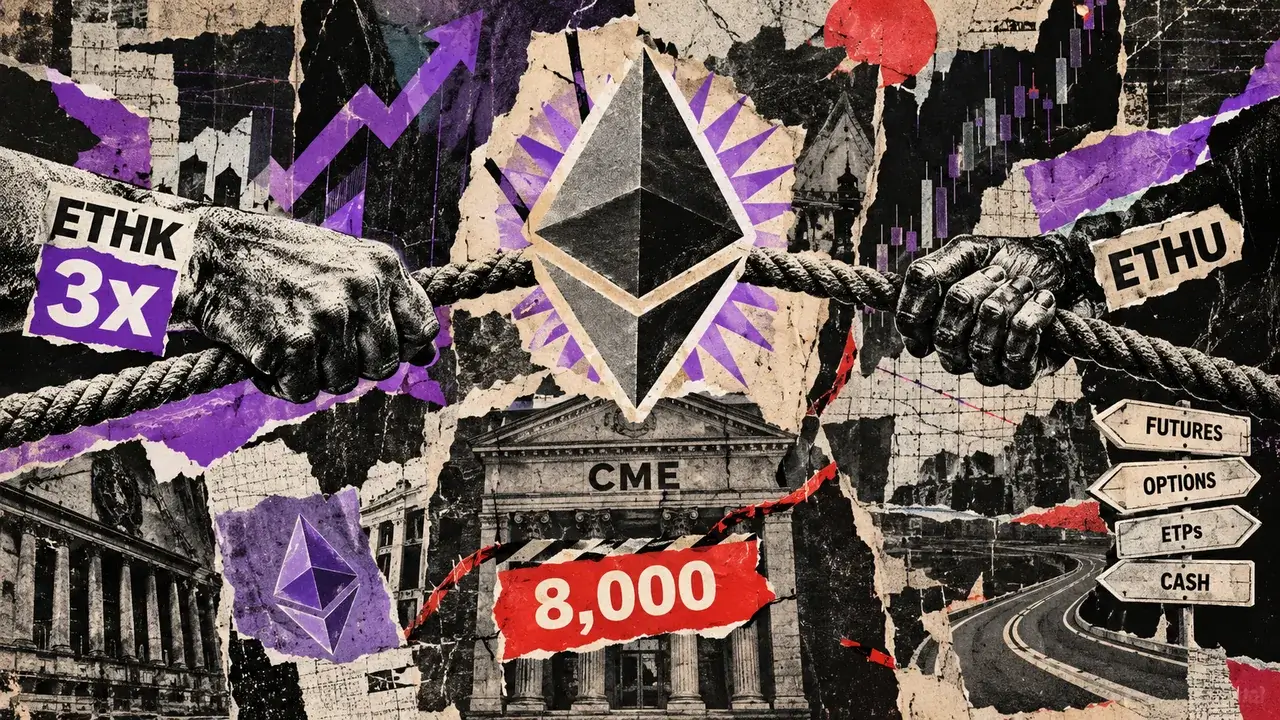
Ethereum’s proposed 3x ETF could reach CME’s futures threshold with just $362 million
At ETHU's Oct. 6 disclosed futures valuation, a 3x Ethereum ETF with $362.1 million in assets would target about $1.09 billion of...

Binance BTC outflows hit highest since mid-2023 as whales deposit stablecoins
Binance BTC reserves fell by nearly 40,000 coins since Sept. 20 as whales returned stablecoin capital to their exchange wallets.