Tether Vows to Freeze Sanction-Linked Addresses Amid USDT Scrutiny
As scrutiny over the misuse of Tether’s USDT stablecoin intensifies, the company pledges to take decisive action against addresses linked to sanctions violations. Tether, the issuer of the popular USDT stablecoin, has an...
Archive context
Older archive item. Useful for background and entity history, but not a fresh market-moving signal.
As scrutiny over the misuse of Tether’s USDT stablecoin intensifies, the company pledges to take decisive action against addresses linked to sanctions violations.
Tether, the issuer of the popular USDT stablecoin, has announced its commitment to freezing any addresses associated with sanctioned entities. This proactive stance follows reports indicating the exploitation of USDT tokens by certain state actors to evade US sanctions.
A spokesperson for Tether stated, “Tether respects the Office of Foreign Assets Control (OFAC) SDN list and is committed to working to ensure sanction addresses are frozen promptly.”
In the past year, Tether has actively frozen addresses holding substantial amounts of its digital assets involved in illicit activities. For example, the company froze 32 addresses containing $873,118.34 linked to unlawful activities in Israel and Ukraine.
Tether’s CEO, Paolo Ardoino, emphasized that these actions underscore the company’s dedication to establishing robust safety standards within the emerging cryptocurrency industry.
Despite Tether’s compliance efforts, recent reports have highlighted ongoing exploitation of the USDT stablecoin by terrorist groups and sanctioned nations seeking to bypass restrictions. Venezuela’s state-owned oil giant, PDVSA, reportedly utilized USDT for crude oil and fuel exports amid renewed US sanctions. Additionally, Russia has increasingly turned to alternative payment avenues, including Tether’s USDT stablecoin, to evade economic sanctions, according to US Treasury Deputy Secretary Adewale Adeyemo.
A United Nations report also revealed the prevalence of cryptocurrency-based money laundering, with Tether’s USDT on the TRON blockchain being a favored choice, particularly within illegal online gambling platforms.
In response to these developments, US Senator Elizabeth Warren has advocated for stringent regulatory measures, emphasizing the importance of including stablecoin issuers and other decentralized finance (DeFi) intermediaries under anti-money laundering (AML) and combating the financing of terrorism (CFT) requirements in any proposed stablecoin regulations. Excluding such entities, Warren argues, could enable bad actors to exploit the growing crypto trading activities facilitated by the legislation.
Featured Image: Freepik
Why this matters
This cryptocurrency story adds another data point to the current market tape and is useful when read alongside nearby source coverage.
Original source
Read on CryptoCurrencyNewsRelated market context
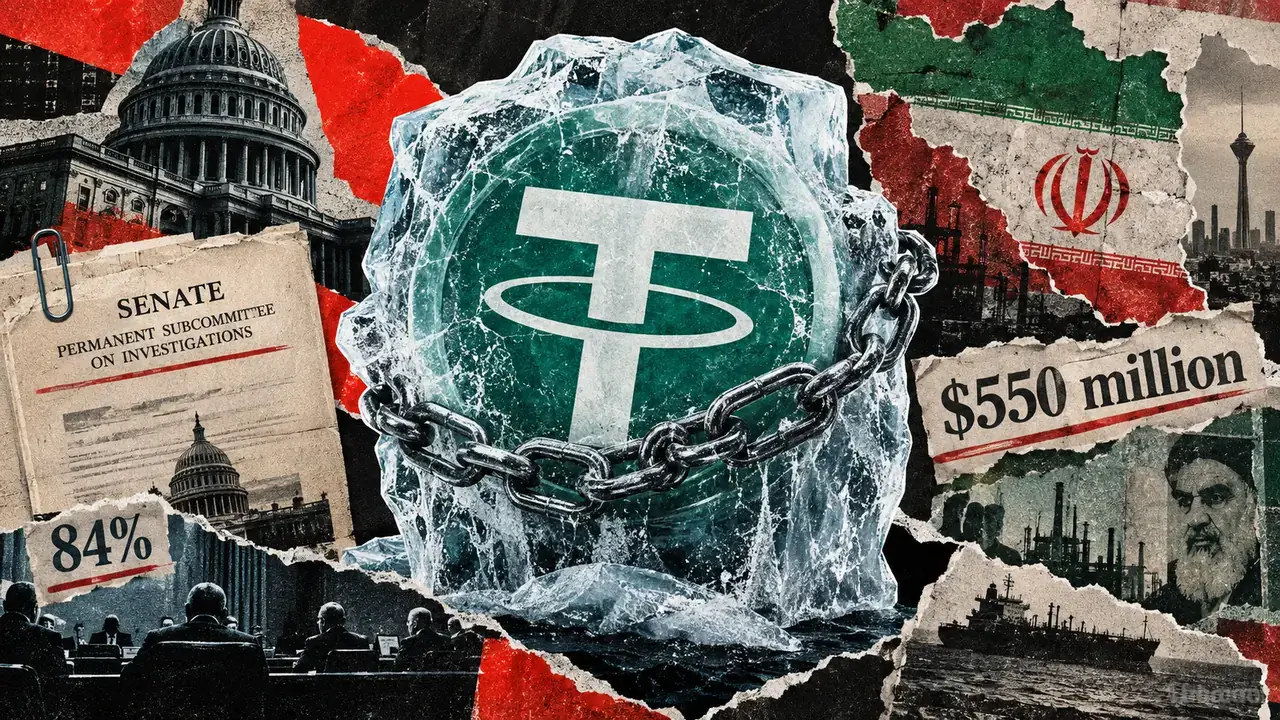
Tether claims $550 million in Iran freezes, but $35 million slipped past Senate
Tether says it helped freeze nearly $550 million in Iran-linked USDT during 2026, while Democratic investigators on a Senate subco...

Aptos lands native Tether USDT support on Taiwan’s MAX exchange for TWD conversions
The integration of native USDT on Aptos by MAX could enhance Taiwan's crypto market liquidity and regulatory compliance, fostering...
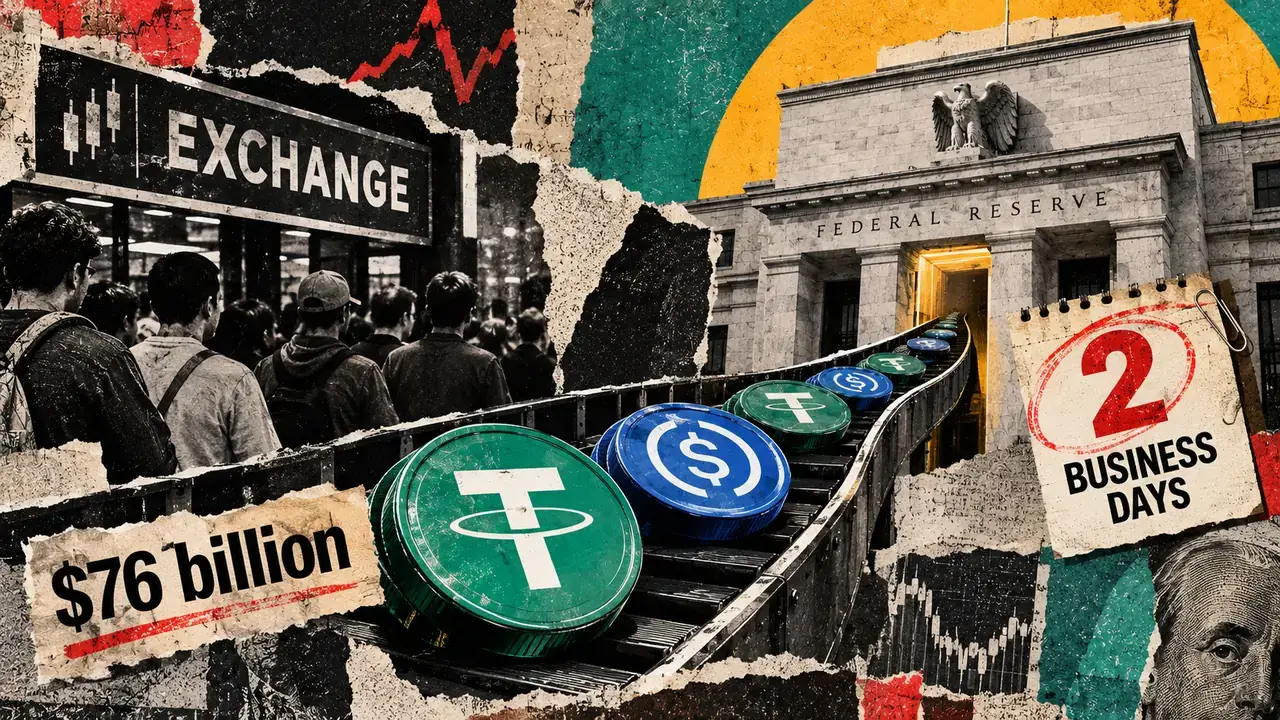
Fed guarantees 2-day stablecoin payouts, but $76B remains blocked
The Federal Reserve's stablecoin proposal would put a general two-business-day limit on redemption by issuers it supervises. For a...
Binance Pay enables USDT spending at PayPay merchants in Japan
This integration could significantly boost stablecoin adoption and usage in everyday transactions, enhancing crypto's role in glob...

Anthropic tokenized pre-IPO volume hits $643M, but liquidity test looms
Anthropic’s planned IPO could force a fast-growing crypto derivatives market to reconcile its synthetic valuation with Wall Street...

HSBC prepares RedCoin stablecoin launch with payments in focus
HSBC's RedCoin launch could accelerate stablecoin adoption, influencing global banking practices and enhancing digital transaction...